[email protected]
EN
EN
AR
CS
NL
FR
DE
EL
HI
IT
PL
PT
RU
ES
SV
TL
ID
UK
HU
TR
FA
AF
SW
CY
MK
AZ
KA
UR
BN
HA
IG
LA
MI
MN
SO
YO
KK
UZ
AM
KU
KY
Get a Quote
×
Home
About Us
Products
Industrial control
Low voltage distribution
Medium and high voltage transmission and distribution
Electrical equipment and supplies
Components and parts
Solution
Projects
News
Contact Us
Home
About Us
Products
Industrial control
Low voltage distribution
Medium and high voltage transmission and distribution
Electrical equipment and supplies
Components and parts
Solution
Projects
News
Contact Us
Get a Quote
Get a Free Quote
Our representative will contact you soon.
Email
Mobile/WhatsApp
Name
Company Name
Message
0/1000
Submit
Products
Home
>
Products
ALL PRODUCTS
Industrial control
PLC control cabinet
VFD control cabinet
Motor/pump control cabinet
Servo drive cabinet
SCADA system
Low voltage distribution
ATS panel
Low voltage capacitor compensation cabinet
MCC cabinet
MDB
SMDB
DB
Direct current panel
Medium and high voltage transmission and distribution
Transformer
Medium and high voltage switchgear
Medium and high capacitance compensation cabinet
RMU
Medium and high pressure soft cabinet
Electrical equipment and supplies
Electric wire and cable
Generator of electricity
Consumable materials
Electrical Enclosures
Components and parts
Medium/high voltage
High voltage vacuum circuit breaker
High pressure vacuum contactor
Low voltage
Low voltage components
ATS
Control over
PLC
HMI
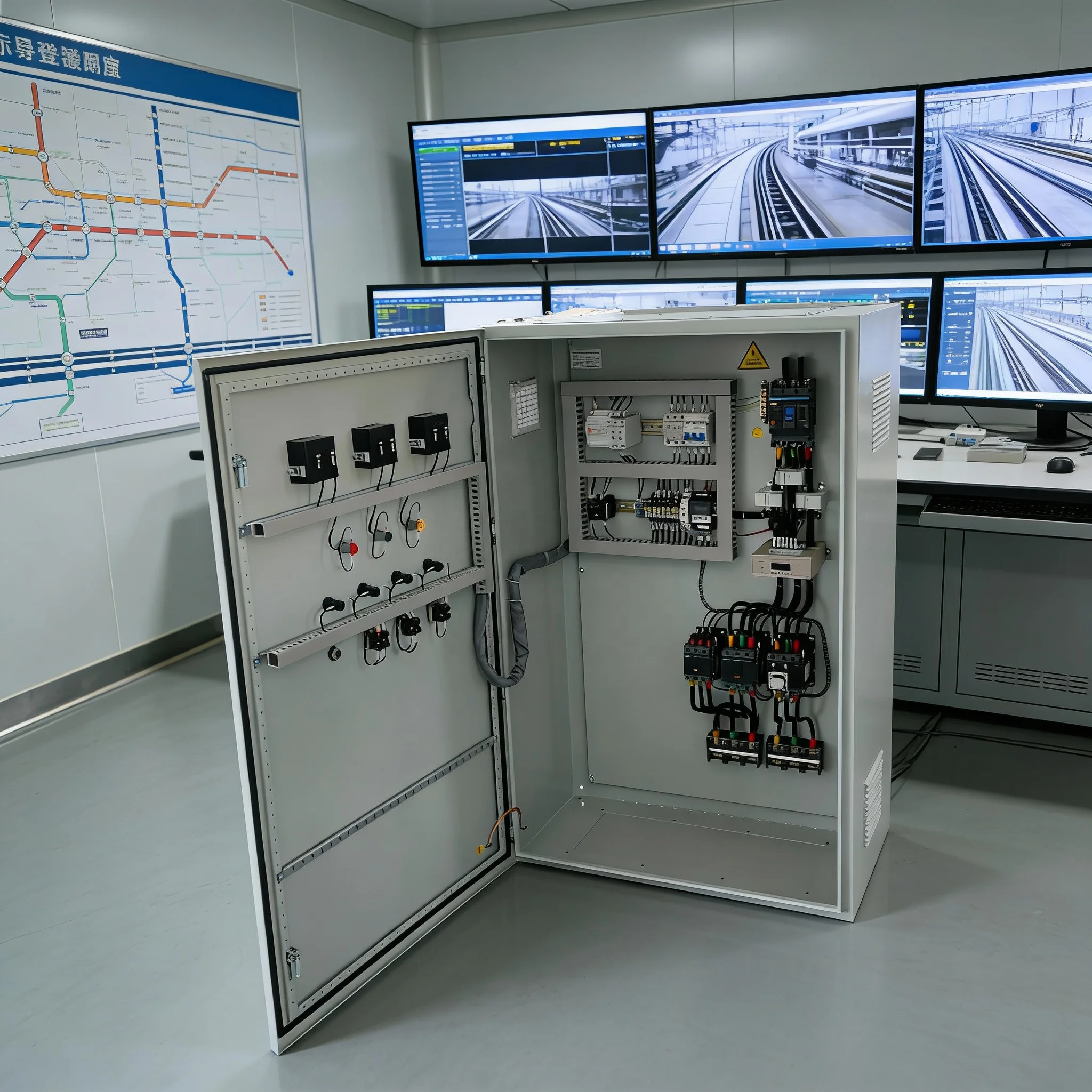
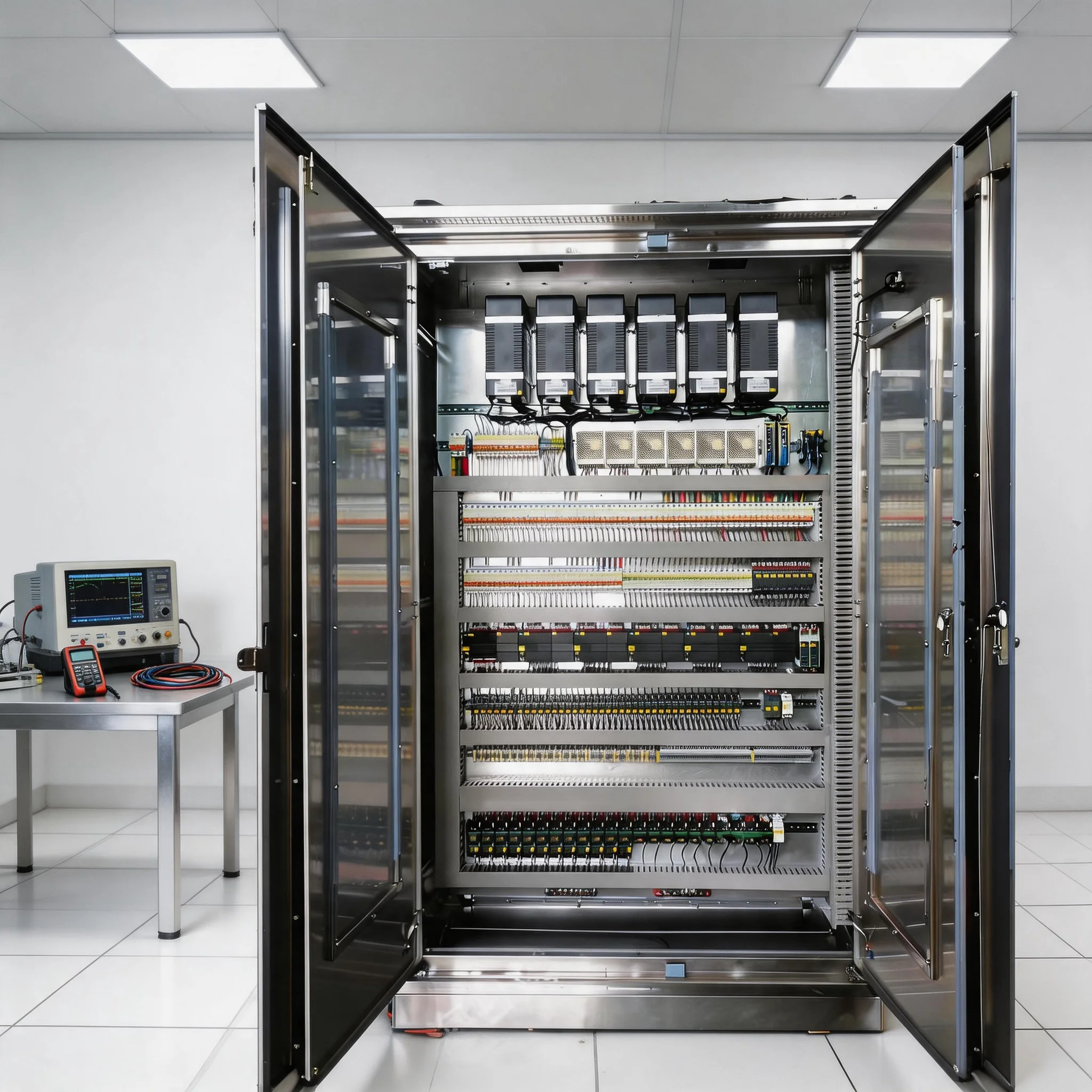
Electrical Control Panel Complete Electrical Control Cabinet Board Low Voltage Power Distribution Electric Panel Boards
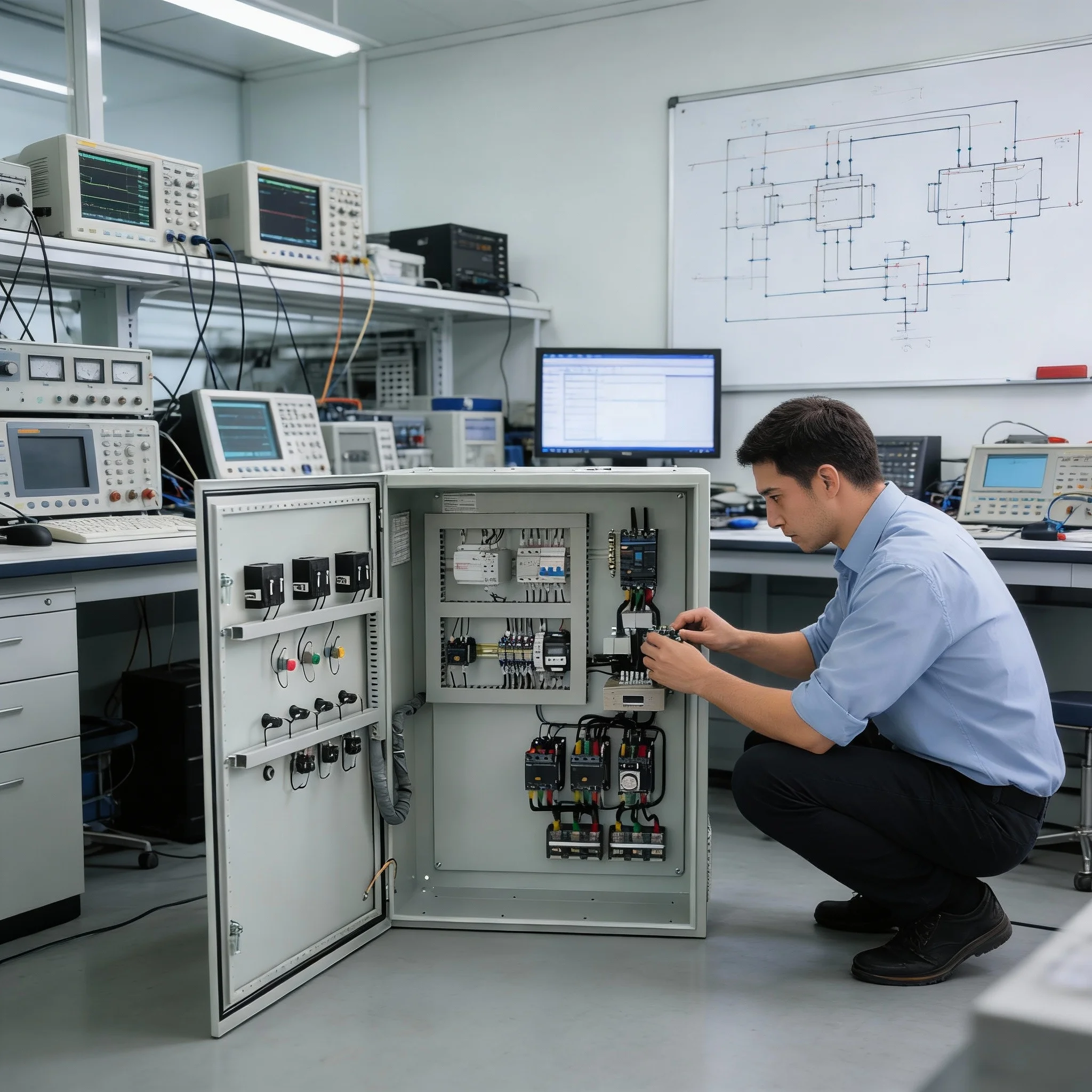
Bozhi PLC Control Cabinet 22kw VFD Control Panel Board System Pump Distribution with Heater 220-480V Industrial Use
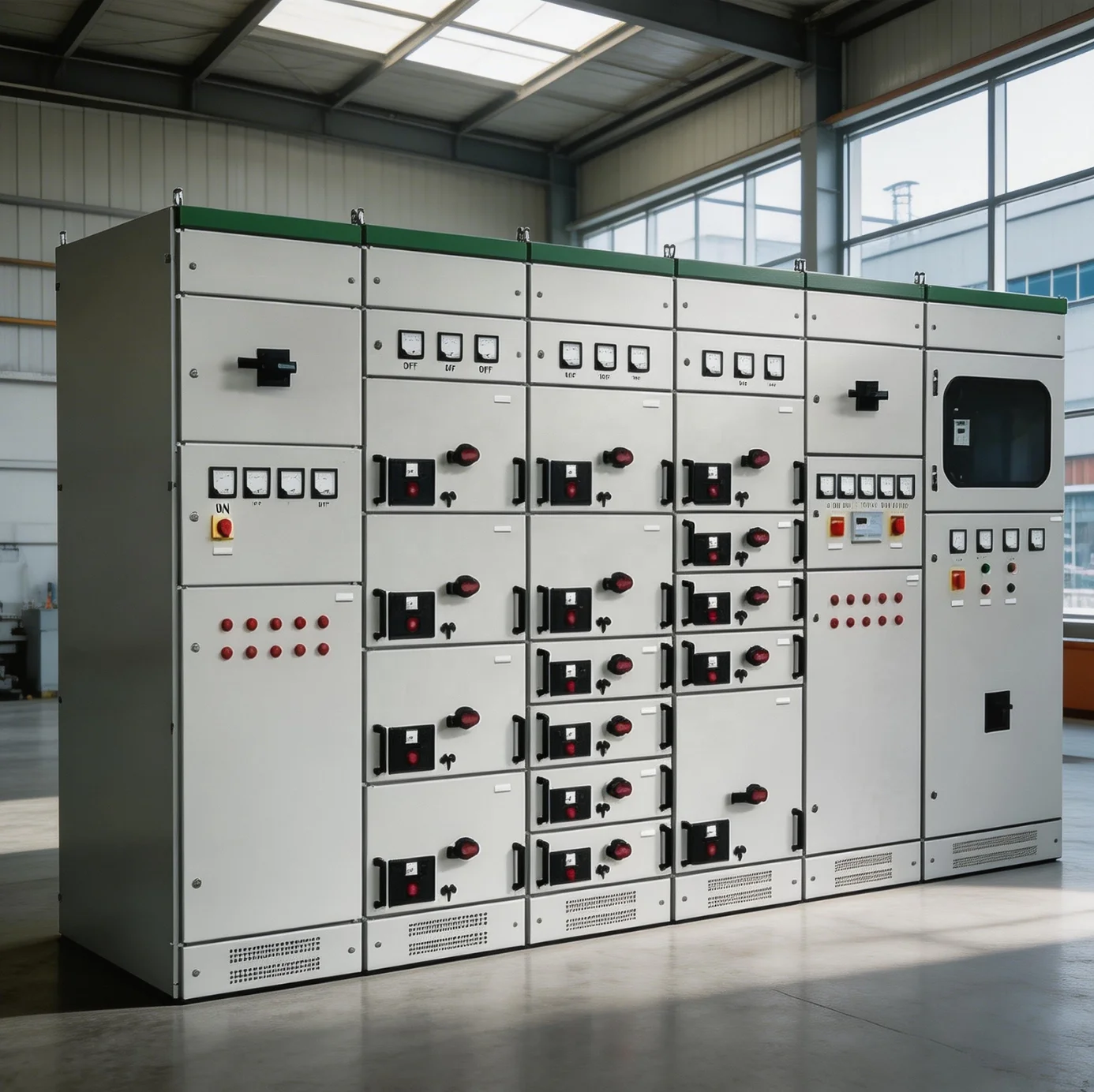
Industrial Intelligent Control Low Voltage Stainless Steel Electrical Panel Distribution 380v Custom Electrical Cabinet
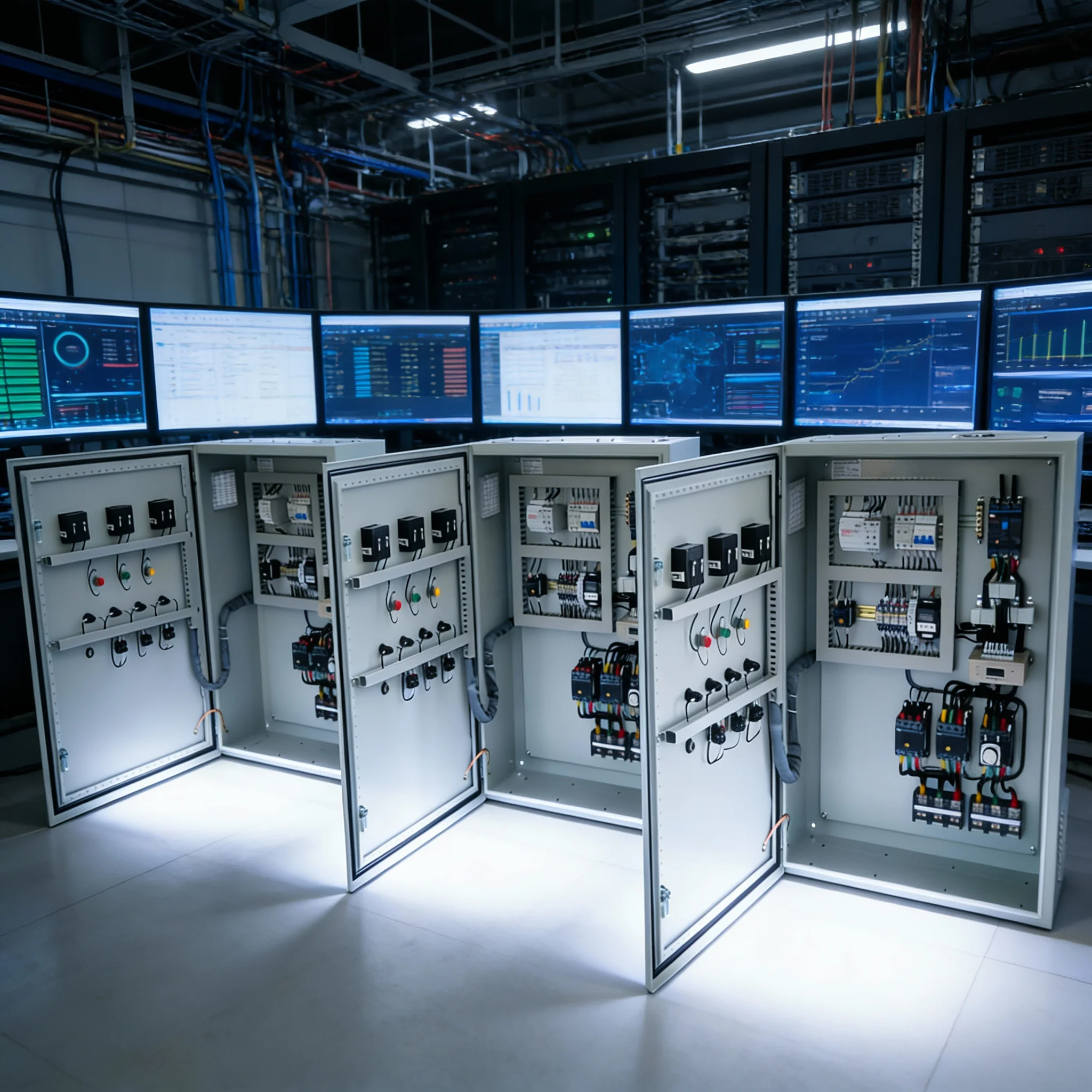
Data Center Power Distribution Custom Reliable High Performance Compact Energy Efficient Power Distribution Panel LV Switchgear
Real Time Ethernet Motion Control Electrical Control Cabinet with Robotic Arm Interface for Factory Automation and Welding Cell
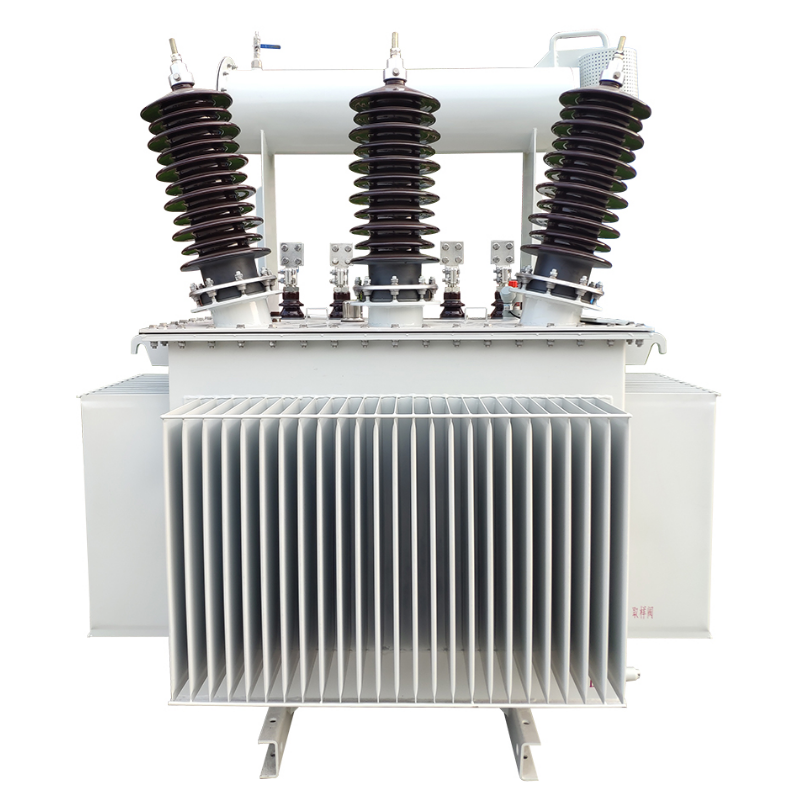
Transformer
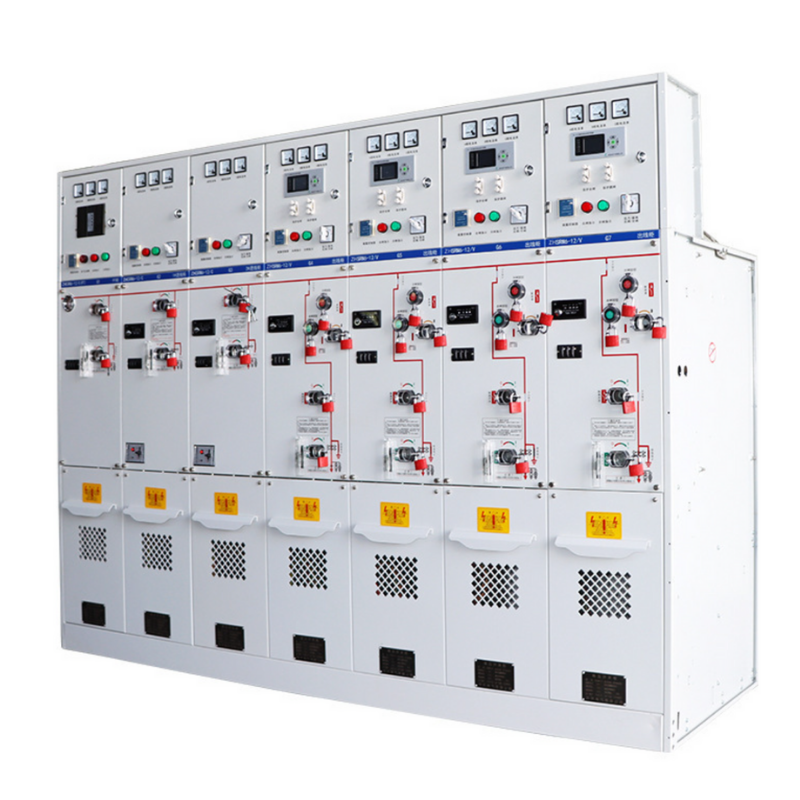
Ring Main Unit (RMU)
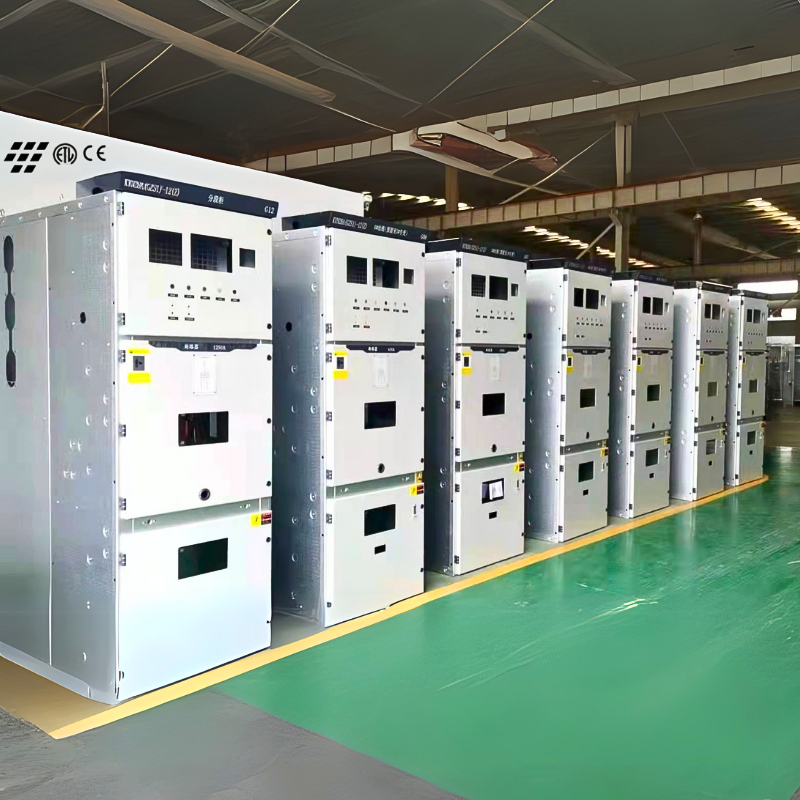
Medium and High Voltage Switchgear
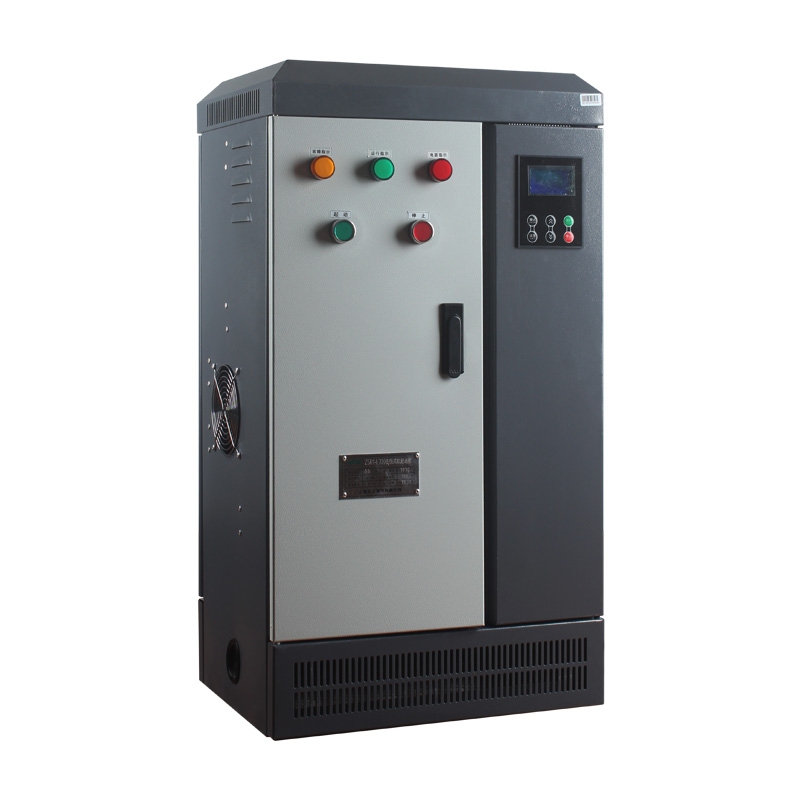
Medium and High Voltage Soft Start Cabinet
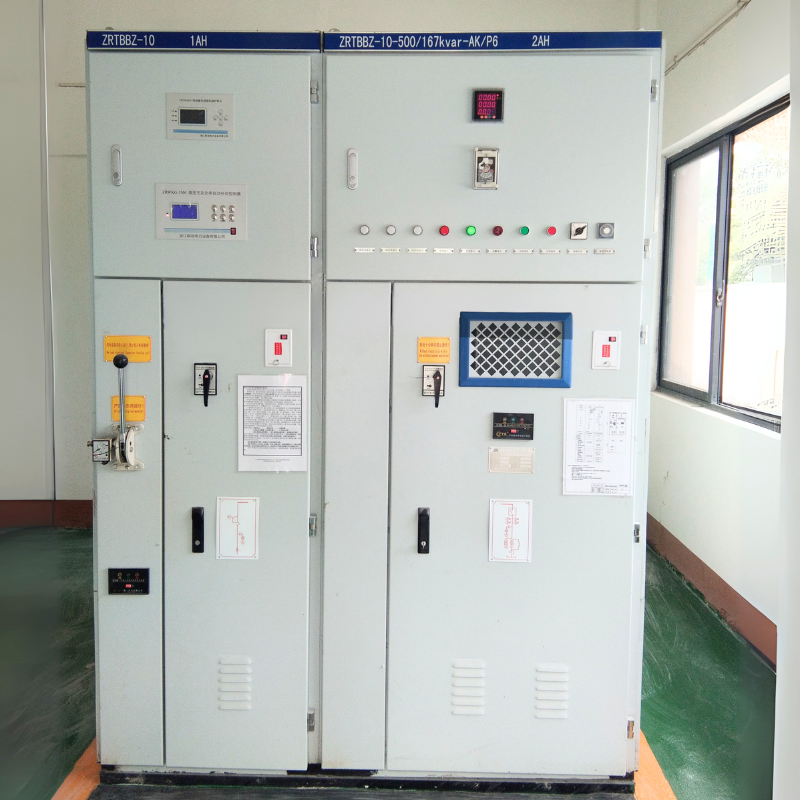
Medium and High Voltage Capacitor Compensation Cabinet
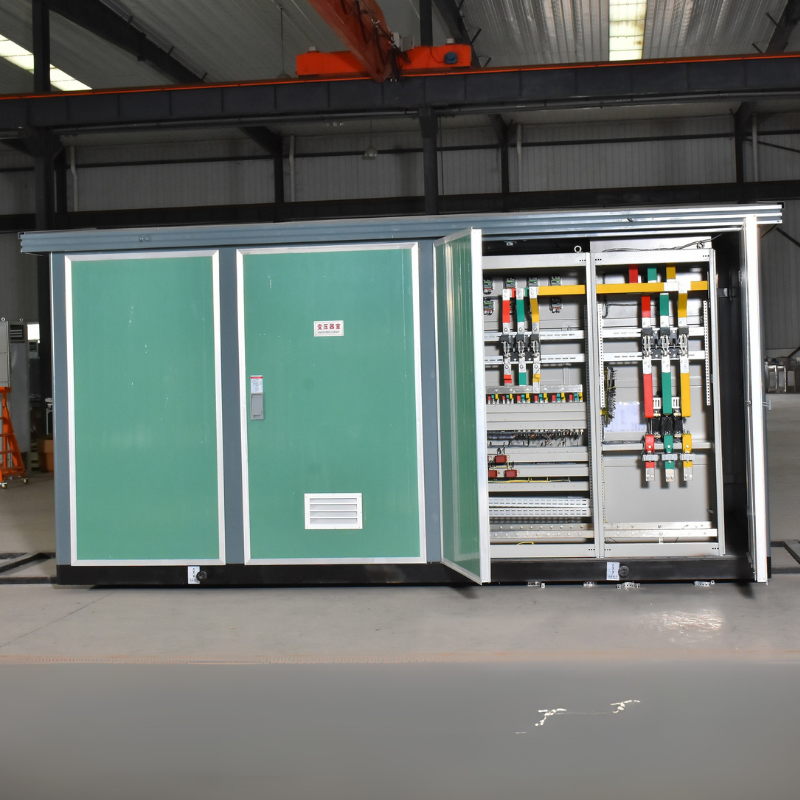
Box Type Substation
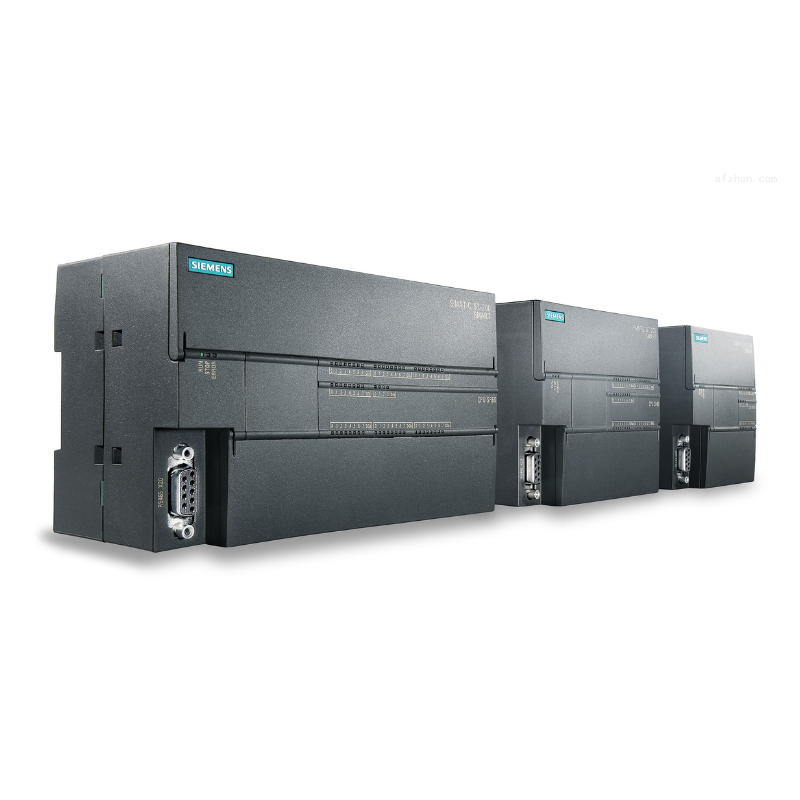
PLC (Programmable Logic Controller)
PREV
1
2
3
4
NEXT
Facebook
YouTube
Linkedin
WhatsApp
Top
 ×
×

 EN
EN


