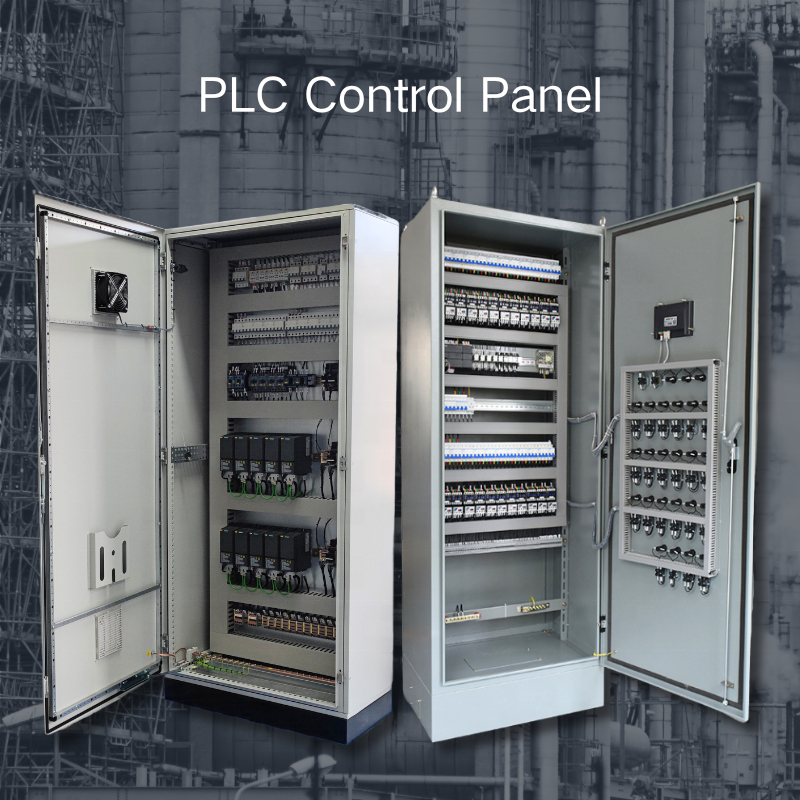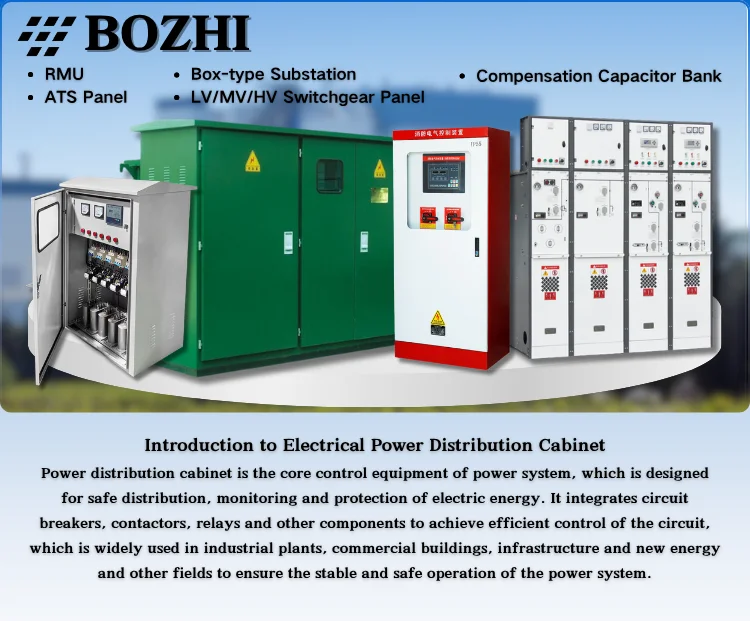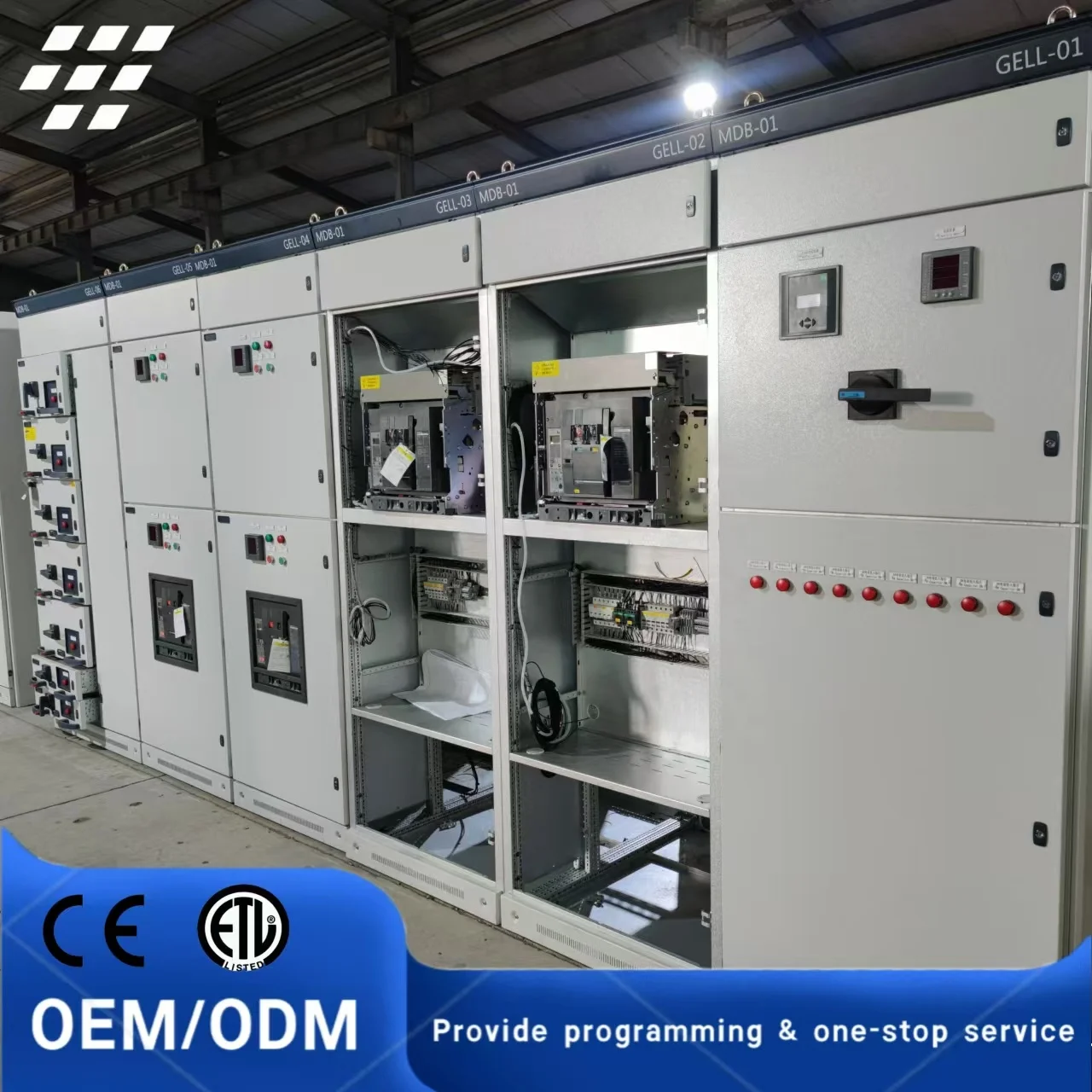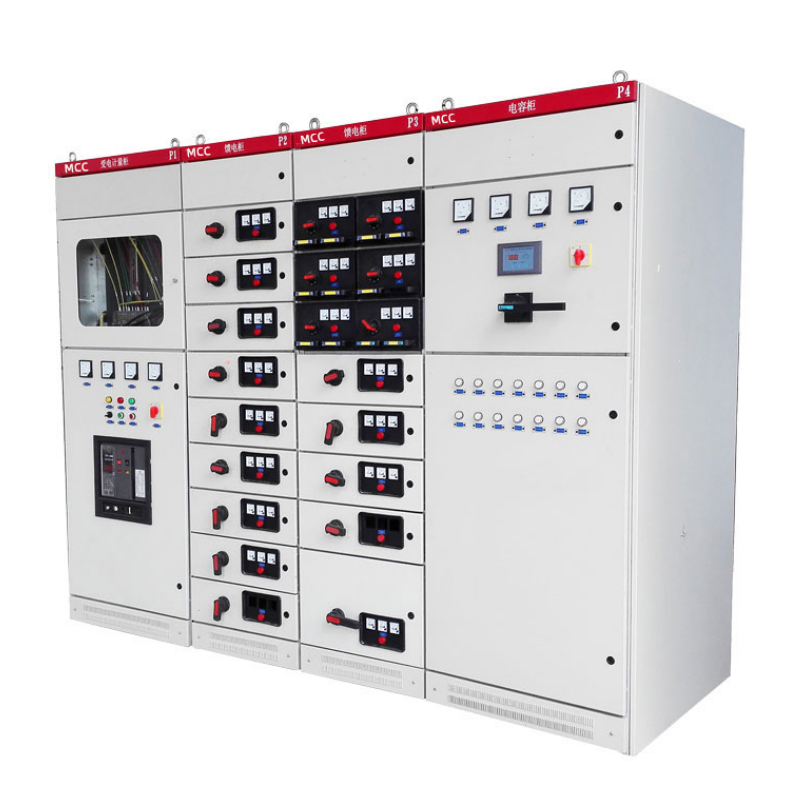
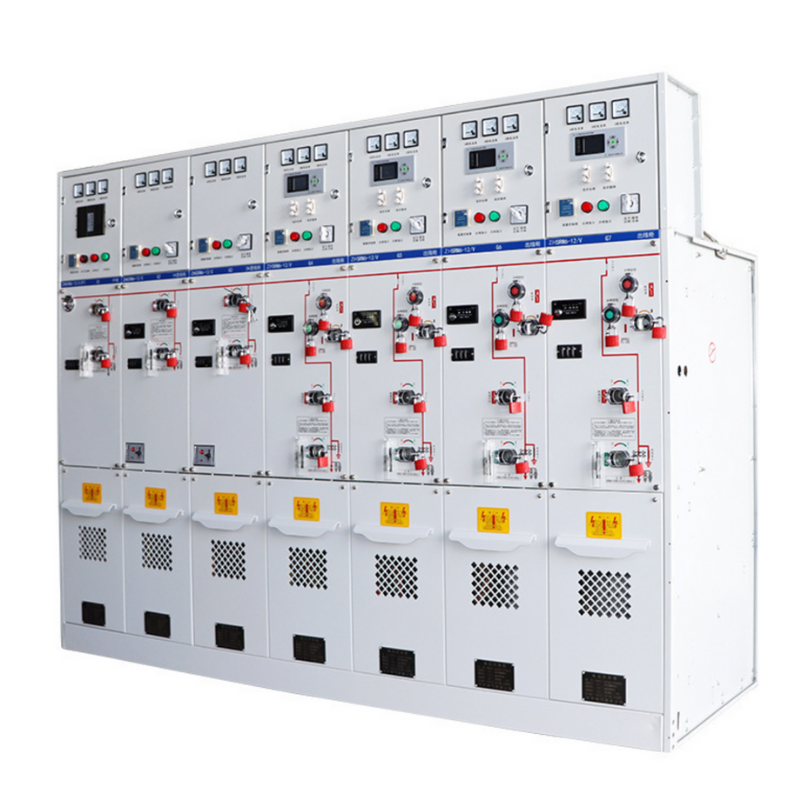
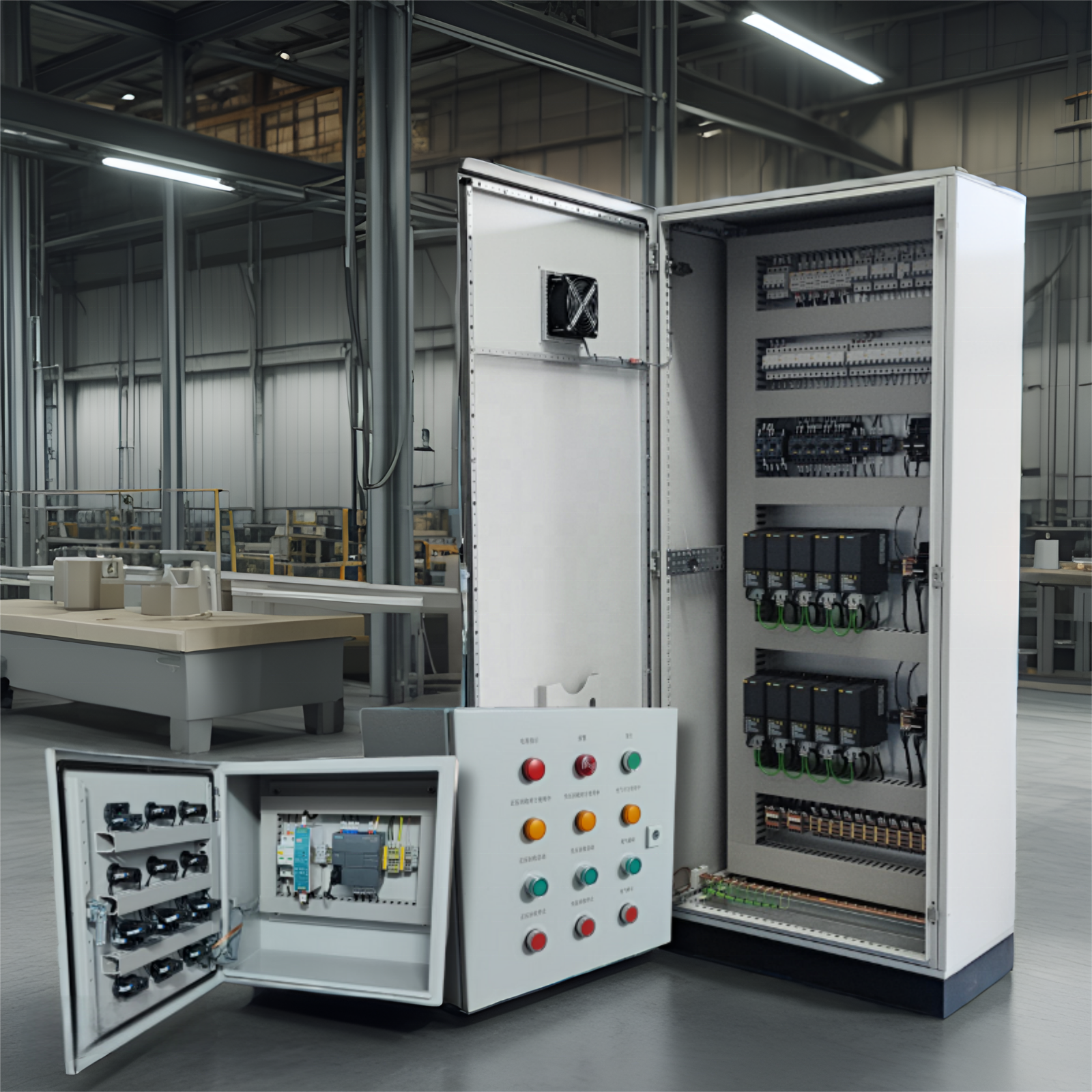
Control panel innovation continues to advance through the integration of digital twin technology, augmented reality interfaces, and cognitive computing capabilities. These next-generation systems employ modular, open-architecture designs that facilitate technology insertion and lifecycle support. In smart grid applications, control panels implement distribution automation through fault location, isolation, and service restoration (FLISR) algorithms, while integrating distributed energy resources (DERs) through IEEE 2030.5 communication protocols. For industrial furnace control, panels precisely manage temperature profiles through multi-zone PID control with adaptive tuning, integrating combustion safety systems with fuel-air ratio optimization and emission monitoring. A documented implementation in a textile manufacturing facility shows how control panels with embedded energy meters identified parasitic loads through power quality analysis, enabling 25% reduction in specific energy consumption through targeted improvements. The verification and validation process includes model-in-the-loop simulation for control logic verification, hardware-in-the-loop testing for performance validation, and site acceptance testing (SAT) for commissioning assurance. Physical design considerations address ergonomic access for maintenance, seismic bracing for earthquake zones, and acoustic damping for noise-sensitive environments. Cybersecurity frameworks follow defense-in-depth principles with physical security measures, network security controls, and application security hardening. For specialized industrial sectors, custom solutions include nuclear quality assurance (NQA-1) compliant panels for nuclear power plants, or aerospace panels with DO-160 environmental qualification for ground support equipment. To receive technical consultation and detailed quotation information tailored to your operational requirements, we invite you to initiate a dialogue with our technical specialists for comprehensive support.