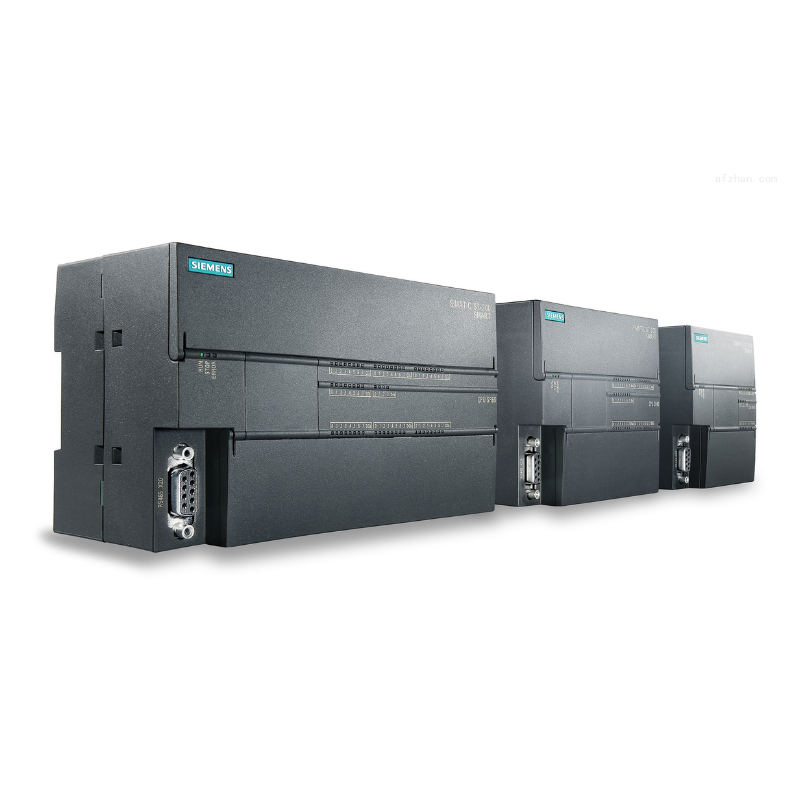
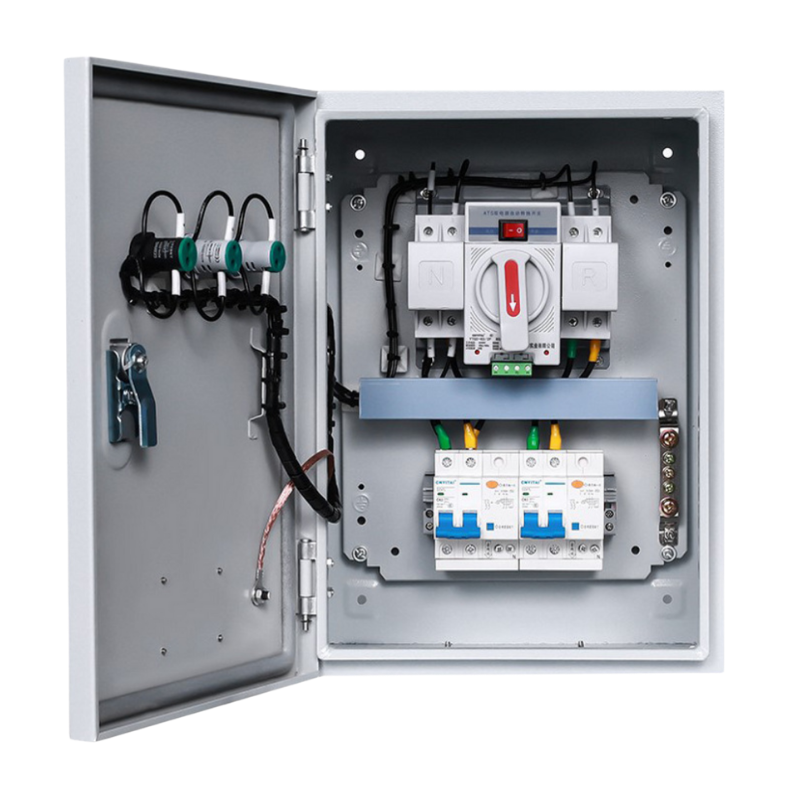
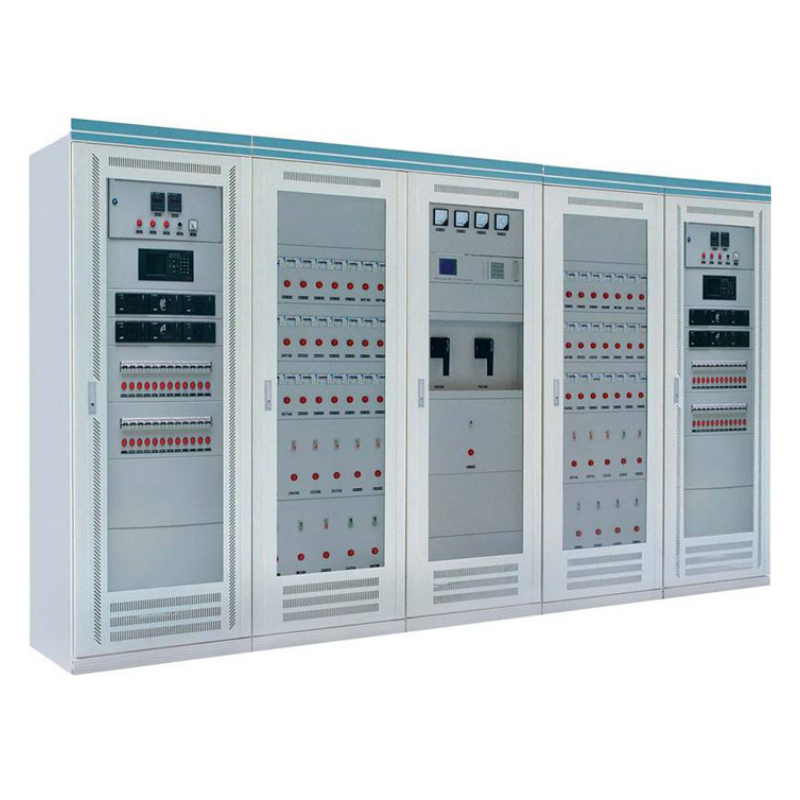
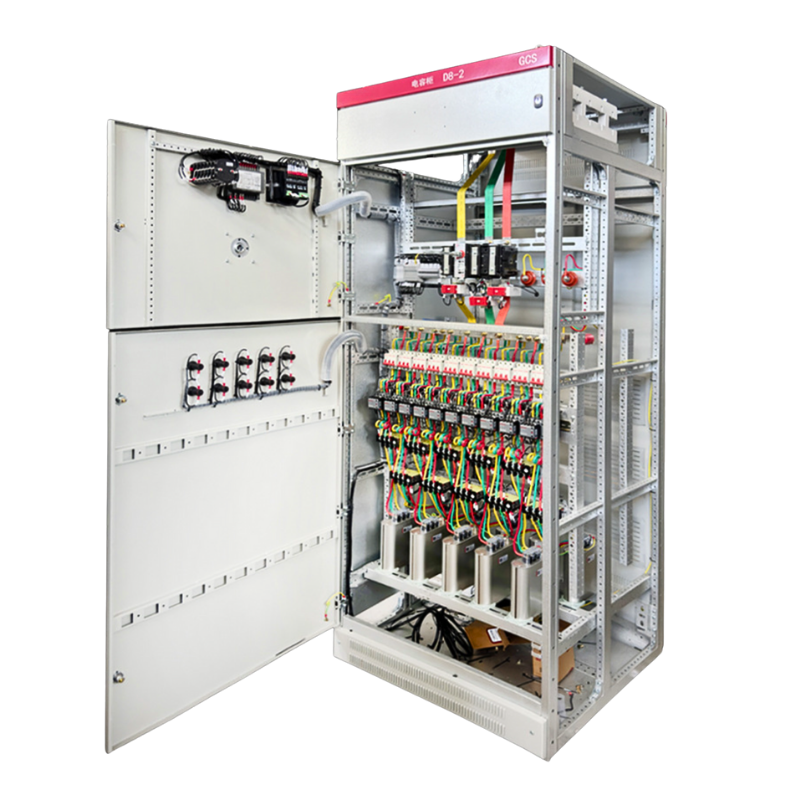
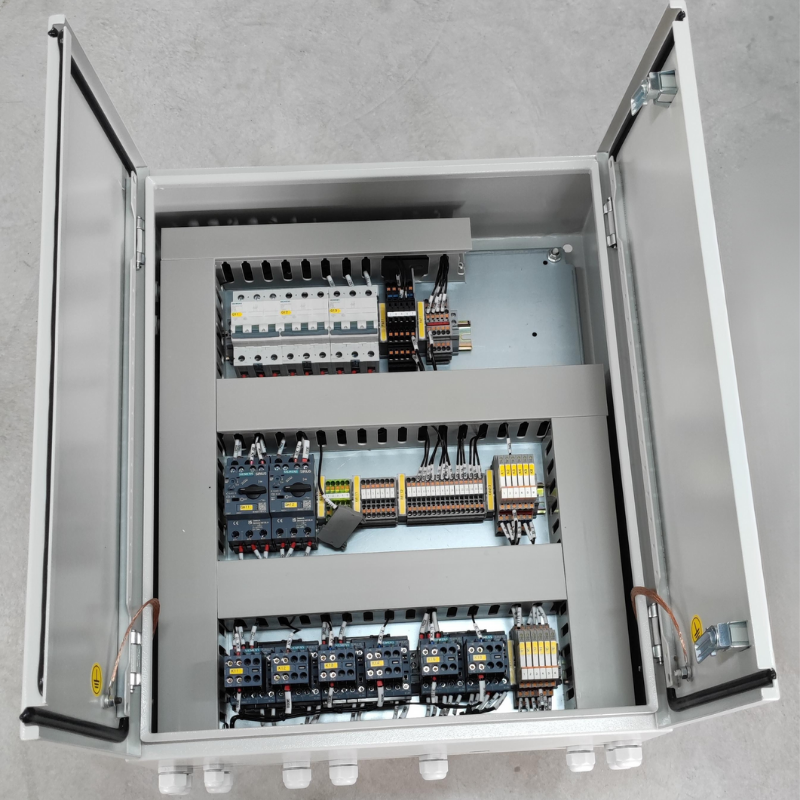
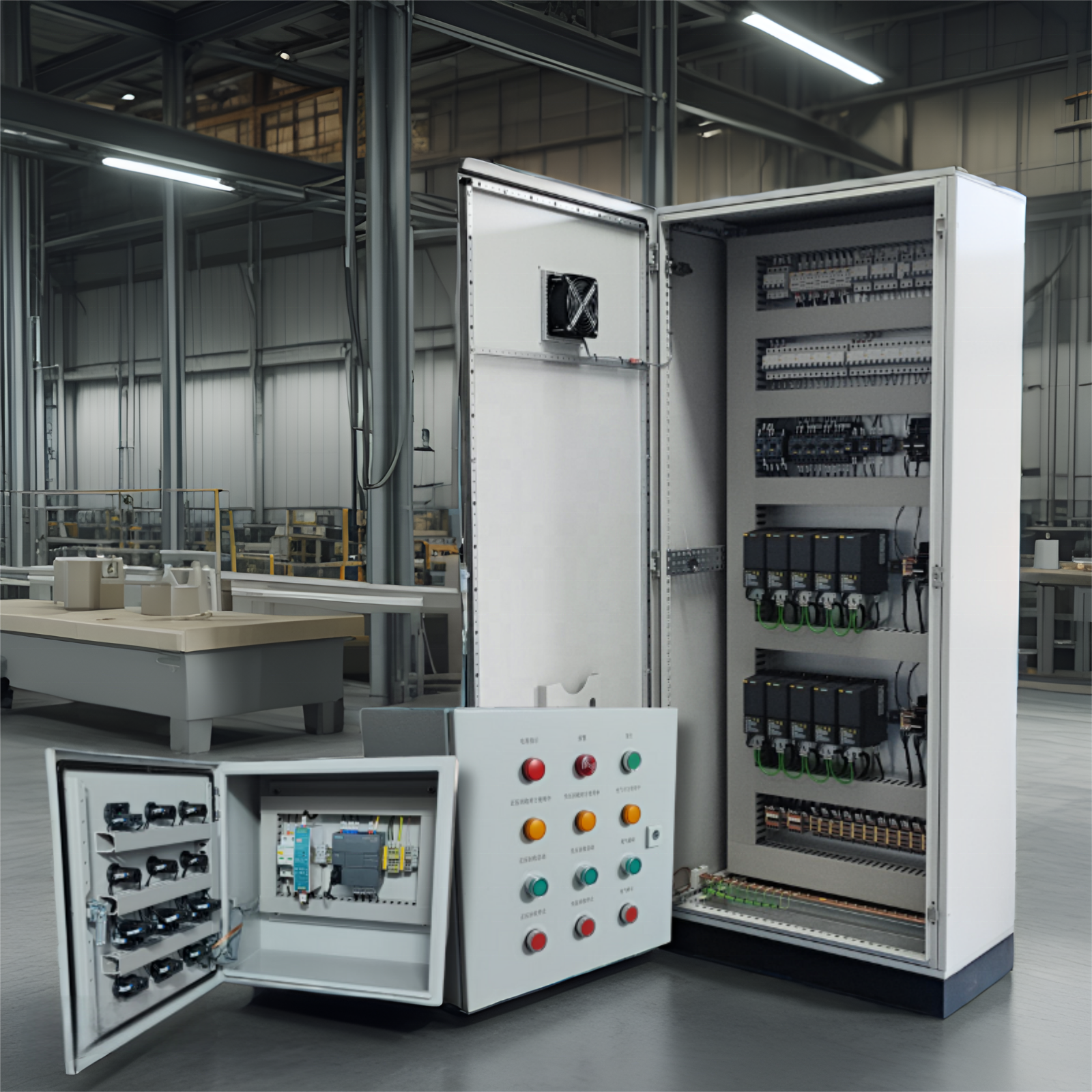
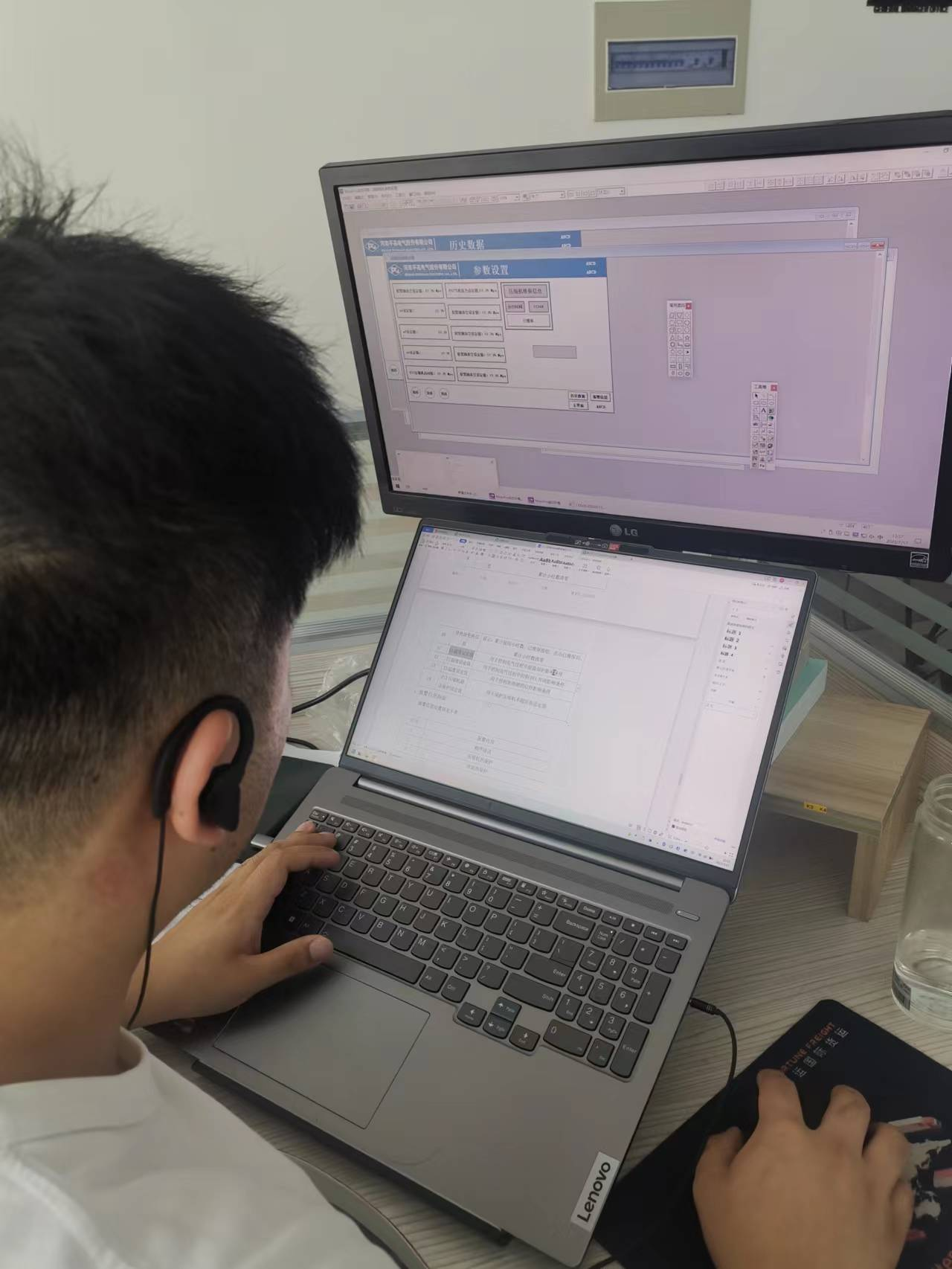
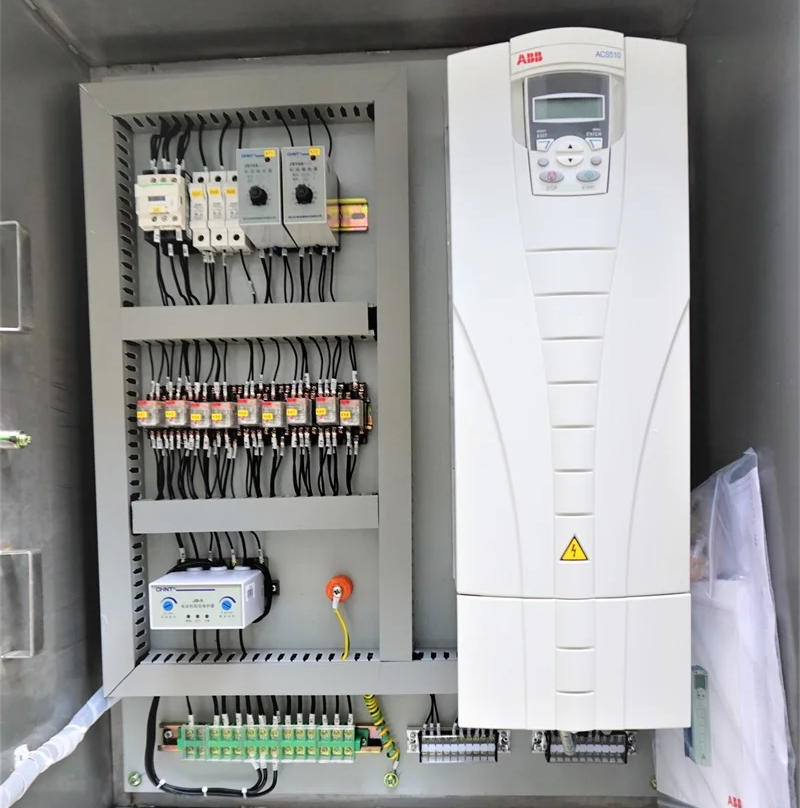
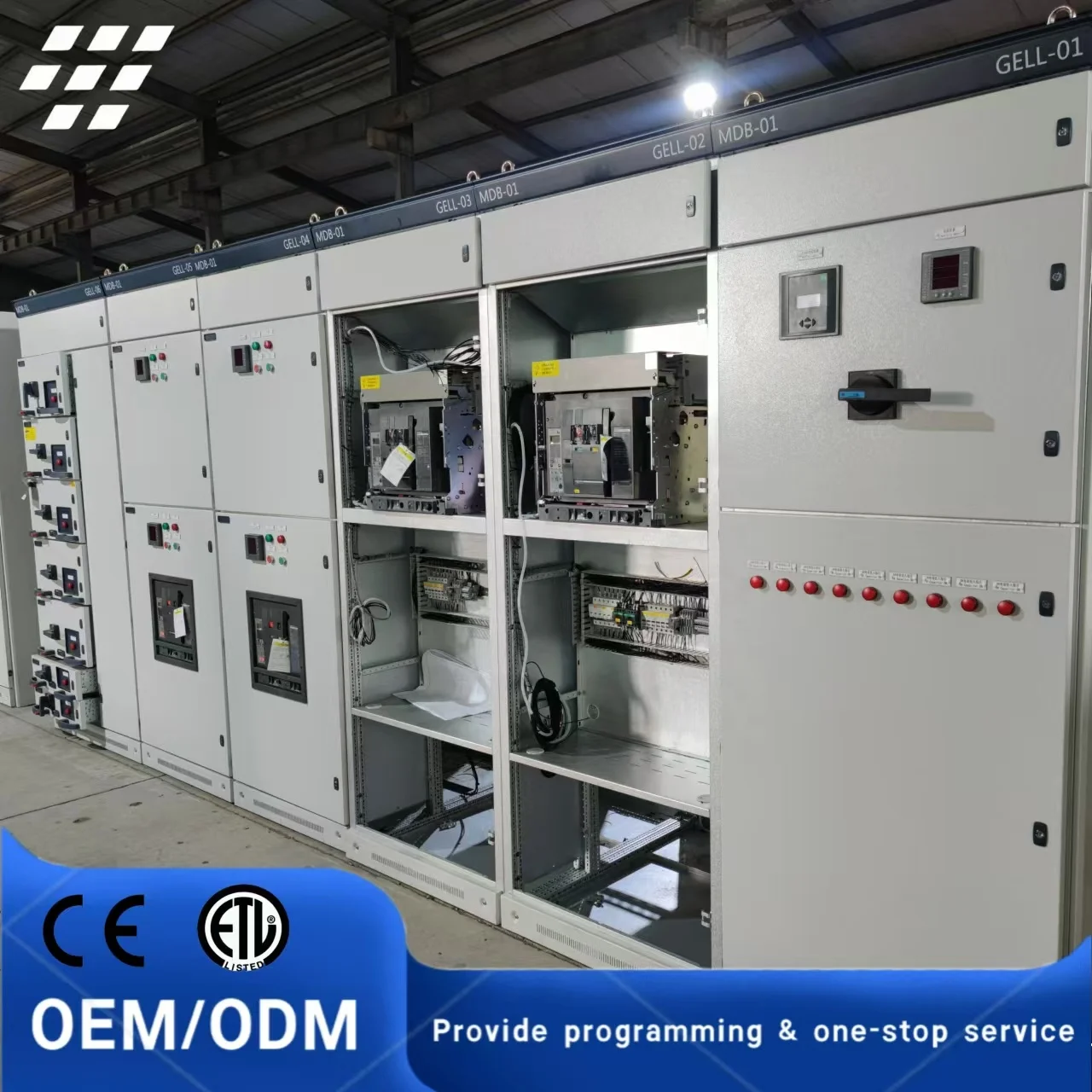
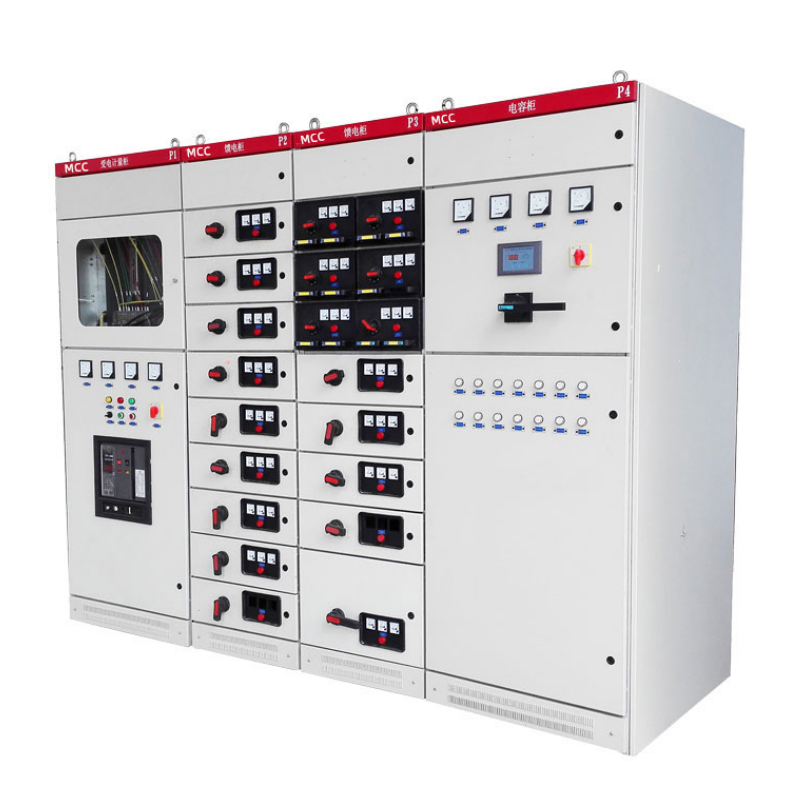
Control panels represent the central nervous system of modern industrial automation and power distribution networks, integrating command, monitoring, protection, and communication functions into a unified interface. These sophisticated assemblies consist of programmable logic controllers (PLCs), human-machine interfaces (HMIs), motor control centers (MCCs), protective relays, sensors, and communication modules, all housed within precisely engineered enclosures. The design philosophy prioritizes operational reliability, safety compliance, and adaptability to diverse industrial environments. In power generation substations, control panels continuously monitor parameters like voltage, current, and frequency while executing automatic grid synchronization and load shedding protocols. For manufacturing facilities, they coordinate complex production lines by synchronizing motor drives, robotic arms, and conveyor systems through real-time data exchange. A practical application involves a water treatment plant where control panels manage chemical dosing pumps based on pH sensor inputs, filter backwash cycles according to pressure differentials, and pump station operations through SCADA integration. The engineering process encompasses thermal management calculations to prevent component degradation, electromagnetic compatibility (EMC) shielding to minimize interference, and cybersecurity measures for network-connected systems. Industrial-grade construction includes IP54-rated enclosures for dust and moisture resistance, redundant power supplies for critical processes, and fault diagnostics through predictive maintenance algorithms. Customization options account for specific operational requirements such as hazardous area certifications (ATEX/IECEx), marine classification society standards, or integration with legacy equipment through protocol converters. The implementation methodology follows international standards including IEC 61439 for low-voltage switchgear, ISO 13849 for safety-related systems, and NEC Article 409 for industrial control panels. Advanced features may incorporate digital twin technology for system simulation, IIoT gateways for cloud connectivity, and machine learning algorithms for energy optimization. Technical specifications typically detail enclosure material selection (e.g., galvanized steel, stainless steel 304/316), busbar current carrying capacity, short-circuit withstand ratings, and environmental operating ranges (-20掳C to +55掳C). For precise configuration guidance and current pricing information regarding tailored control panel solutions, we encourage you to contact our technical team for comprehensive consultation.

 EN
EN