
 EN
EN


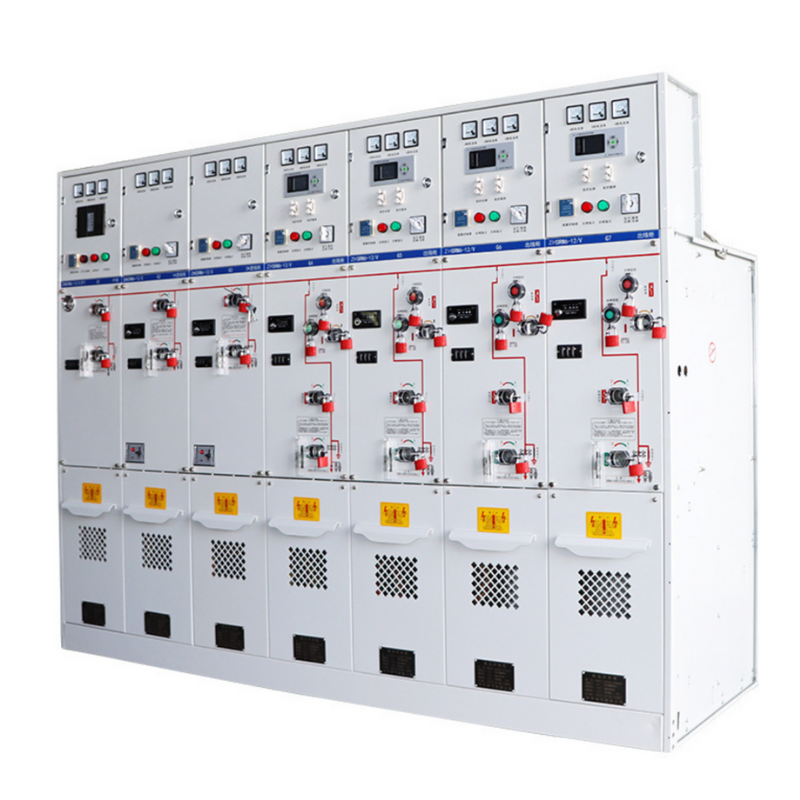
Kuelewa Muda wa Kulemwa kwa Vituo vya Umeme vya Chini vya Viwango vya Kawaida vs. vya Kutengeneza
Muda wa msingi: 4–8 wiki kwa vituo vya umeme vya chini vya katalogi ya viwango vya kawaida vs. 16–26+ wiki kwa vituo vya umeme vya chini vya kuzingatia kwa kina (ETO)
Kiwango cha kawaida cha vifaa vya kuvunjika vya umeme wa chini (low voltage switchgear) huchukua muda wa kati ya wiki 4 na 8 kutoka wakati wa uagizo hadi usafirisho. Wakuzajiri hushika magazini ya bidhaa za kawaida kama vile mikundi ya MCCB iliyoidhinishwa mapema, mpangilio wa kawaida wa busbar, na makabati ya kawaida, ambayo inafanya upatikanaji wa vitu hivi kuwa haraka sana. Lakini kwa vifaa vya kuvunjika vya umeme wa chini (LV switchgear) vilivyotengenezwa kwa ajili ya mtumiaji binafsi (ETO), tunazungumzia muda mrefu zaidi wa kati ya wiki 16 na 26 au zaidi. Kupita tu kwenye majaribio ya uhandisi huchukua muda wa kati ya wiki 3 na 5, na baada yake kuna mchakato wa uthibitisho wa IEC 61439 uliohitaji muda wa wiki 4. Matatizo ya mnyororo wa usambazaji pia yamekuwa yakisababisha matatizo hivi karibuni. Busbar za shaba na relai za kidijitali zinapatikana sana sasa, mara nyingi zikiongeza muda wa usafirisho kwa wiki 6 zaidi. Na ikiwa mradi unahitaji uthibitisho maalum kwa mambo kama vile upinzani dhidi ya migogoro, mazingira ya bahari, au eneo linalo na hatari ya kuvuruga, hayo yanahitaji majaribio ya ziada na waraka za ziada ambazo hakuna mtu anavyotaka kushughulikia.
Jinsi ya 'kutengeneza kwa namna maalum' inavyoainishwa — kutoka kwa mabadiliko madogo ya mpangilio hadi kwa ubunifu wa kipekee cha vifaa vya kuvuruga umeme wa juu (LV) — na kwa nini ni sababu kuu inayosababisha wakati wa kusubiri
Kutengeneza kwa namna maalum hufall katika mara tatu — na kina cha kutoendelea kwa mfano wa kawaida unahesabu 78% ya tofauti ya wakati wa kusubiri, kulingana na takwimu za kielimu katika sekta.
- Mabadiliko ya mpangilio: Kuongeza sehemu, kubadilisha aina za vifaa vya kuvuruga umeme, au kubadilisha chaguzi za kufunga kawaida huongeza wakati wa kusubiri kwa wiki 2–3.
- Mipangilio iliyobadilishwa: Mpangilio wa vifaa vya kuvuruga umeme visivyokuwa kwa kawaida, vifaa vya ulinzi vilivyofungwa pamoja, au mantiki ya udhibiti iliyotengenezwa kwa namna maalum huongeza wakati wa kusubiri kwa takriban wiki 8 kwa sababu ya kufanya upya uhandisi na uthibitisho wa sehemu tu.
- Kutengeneza kwa namna kamili ya kipekee: Mipangilio ya kwanza kwa mazingira ya kisasa sana (k.m.f. kwenye bahari, uchimbaji, au vituo vya nuklia) inahitaji majaribio ya joto, ya uvuruga wa umeme (arc-flash), na ya mazingira yanayotokana na kila kitu — yanayoweka wakati wa kusubiri zaidi ya wiki 14 kuliko muda wa msingi wa kufanya kwa agizo (ETO).
Kila kipengele kipya au mpangilio mpya unasababisha mzunguko wa kujumuisha, uthibitisho, na majaribio ya kufanya mfano wa kwanza ambayo mikundi ya kawaida huyatendeleza. Kwa namna maalum, miradi inayotajwa kama "mabadiliko madogo" mara nyingi huondoka na mahitaji ya kuthibitisha yanayofichwa. Kubainisha kikamilifu kifungu cha kazi wakati wa hatua ya RFQ—hasa kuhusu mipaka ya uthibitisho na uvumilivyo wa kuingiliana—huzuia takriban asilimia 30 ya kukwenda mbali zaidi ya muda uliotarajwa.
Vyanzo Muhimu Vya Kuongezea Muda wa Kupatikana wa Vifaa vya Kuvunjika vya Umeme wa Voltage Ndogo
Majukumu ya mtandao wa usambazaji: vifaa vya kuvunjika vya kipindi cha kuchomwa, vifaa vya kuvunjika vya kidijitali, na ukosefu wa vitu vya kufanya bar vya umeme
Kuhusu thilithi mbili hadi robo tatu ya wakati wa kuchelewa katika miradi ya vifaa vya kuvunjika vya chini ya umeme (low voltage switchgear) vinatokana na ukosefu wa vifaa. Kwa mfano, vifaa vya kuvunjika vya kipindi cha kuvunjika (molded case circuit breakers) mara nyingi hupunguza muda wa kusubiri kwa karibu wiki 18 kwa sababu wazalishaji wa semi-conductors hawawezi kufuata mahitaji. Kisha kuna vifaa vya kuvunjika vya kidijitali (digital relays) ambavyo vimekuwa muhimu sana kwa kuunganisha na mitandao ya akili (smart grids); kwa kawaida, kuchukua kati ya wiki 12 na 14 ili kupatikana kabla hata kuanza kugeuza katika paneli. Na usiseme nini kuhusu bar za kupambana za shaba (copper busbars) — bei zao huzungumzwa sana hata watoa huduma wanahitaji muda ziada ili kufanya maamuzi ya bei yao halisi, ikiongeza wiki 3 hadi 5 kwenye muda wa mradi. Sehemu ya kushindwa zaidi? Matatizo haya yanajumuika. Kukosa kitu kidogo kama vile kifaa cha kuvunjika kilichouzwa kwa dola 200 au sehemu fupi ya bar ya kupambana kutoka orodha ya vifaa huweka kazi yote kwenye mkondo wa mwisho, ikisimamisha uwasilishaji hata wakati kazi ya asilimia 95 tayari imekamilika.
Ugumu wa uzalishaji: mzunguko wa kujenga paneli, mahitaji ya uthibitisho (IEC 61439), na vikwazo vya uthibitisho wa uhandisi
Wakati sehemu zinapofika hatimaye katika eneo, kujenga mifumo ya kipekee inachukua kwa kawaida muda wa wiki nne hadi sita. Muda huo huendelea zaidi wakati inahitajika kutengeneza busbar za kihandisi au mifumo ya uvumbuzi maalum. Vipimo vyote vya muundo vinapaswa kufanana na viwadi vya IEC 61439, ambavyo ni "kitabu cha sheria" cha vifaa vya umeme wa voltage ndogo duniani kote. Kupata uthibitisho wa pili kwa kawaida huchukua muda zaidi ya wiki tatu, ingawa mabadiliko yoyote ya dakika ya mwisho wakati wa uzalishaji yanamaanisha kuanza tena mchakato wote wa uthibitisho kuanzia mwanzo. Viwanda wenyewe huwa sababu za kuzuia pia. Eneo la kusisimua maalum kwa ajili ya migawanyo ya ufunguzi na kujaa kwa joto mara nyingi linashughulikia kwa uwezo wa zaidi ya tisini ya asilimia tisini, ikasababisha muda wa kusisimua kwa kila mradi mpya kubadilika kwa wiki moja hadi mbili.
Mbinu Iliyothibitika Kutafuta Muda wa Kulemaza Miongozo ya Uzalishaji wa LV Switchgear
Kutumia miongozo ya LV switchgear ya kiolezo cha kikundi na kimeundwa mapema ili kupunguza muda wa kuelekea hadi 40%
Mbinu ya kubuni kwa sehemu za kawaida ya vifaa vya umeme wa chini ya voltage inapunguza wakati wa usafirishaji kwa kiasi kikubwa kuliko mifumo iliyoundwa kwa ajili ya mtumiaji binafsi. Mifumo hii inategemea sehemu zinazotumika kwa wingi ambazo zinakidhi mahitaji ya sertifikati ya IEC 61439. Fikiria kuhusu vitu kama vile vifaa vya kujaza vinavyoweza kubadilishwa, paneli za relei tayari zilizotengenezwa, na barra za nishati ambazo tayari zimepita majaribio yote yanayohitajika. Hii inalinda mabadiliko mengi ya kurudi na kuenda ambayo huwakilisha kubuni kila kitu kuanzia mwanzo kila mara. Wakati timu za ujenzi zinaweza kufuata mpangilio uliotajwa kwa kipindi cha kusudi badala ya kubuni kitu kipya kwa kila kazi, huu husaidia kupunguza wakati wa uthibitisho wa uzalishaji kwa siku 42 hadi 56. Kuzidi hayo, mifumo hii hutumia viatu vilivyopo tayari badala ya kuteka amri za vipengele kwa dakika za mwisho. Hivyo, ni sawa na kushindwa kwa changamoto za mteja wa ubunifu tunazosikia leo kuhusu semikondaktori na shaba.
Mazoea bora ya kuanza mapema: masharti ya kumaliza ubunifu, uingizwaji wa BIM, na ukaguzi wa ubunifu kwa ajili ya uzalishaji (DFM)
Kuwashirikisha wazalishaji mapema katika awamu ya usanifu wa kimkakati badala ya kusubiri hadi hati za ujenzi zimalizike husaidia kudhibiti ratiba vizuri zaidi. Tunapoweka sehemu ya kufungia uhandisi karibu na wiki ya sita ya mchakato wa usanifu, huzuia mabadiliko hayo magumu ya dakika za mwisho ambayo kwa kawaida huishia kuongeza wiki tatu hadi tano za ziada kwenye ratiba. Kutumia teknolojia ya BIM huruhusu timu za umeme, kimuundo na mitambo kufanya kazi pamoja katika uratibu wa anga kwa wakati mmoja, ili waweze kugundua na kurekebisha matatizo ya kiolesura muda mrefu kabla ya utengenezaji wowote halisi kutokea. Kuendesha mapitio sahihi ya DFM na wahandisi wa uzalishaji hufungua nafasi za kutumia wasifu wa kawaida wa basibar, vifaa vya kawaida vya kupachika, au hata vifurushi vya kebo vilivyozimwa kabla bila kupunguza utendaji. Kufanya tu mambo haya matatu kuwa sehemu ya mtiririko wa kazi wa kawaida hufanya miradi ipitishwe chini ya viwango vya IEC 61439 kwa karibu asilimia 22 haraka kwa sababu kufuata sheria kunakuwa sehemu ya mawazo ya muundo wa asili badala ya kitu kinachoweza kushughulikiwa baadaye wakati kila mtu tayari ana msongo wa mawazo.
Sehemu ya Maswali yanayotofikiwa
Muda wa kawaida wa usafirishaji wa vifaa vya kuvunjika vya umeme wa chini (LV) ni gani?
Vifaa vya kuvunjika vya umeme wa chini (LV) kutoka katika katalogu ya kawaida huachwa kwa muda wa wiki 4 hadi 8 baada ya oda kuagizwa.
Kwa nini vifaa vya kuvunjika vya umeme wa chini (LV) vilivyoundwa kwa ajili ya mtumiaji binafsi vinachukua muda mrefu zaidi ya kusafirishwa?
Vifaa vya kuvunjika vya umeme wa chini (LV) vilivyoundwa kwa ajili ya mtumiaji binafsi vinahitaji majaribio ya uhandisi, uthibitisho wa IEC 61439, na mara nyingi hujitokeza changamoto za mpango wa ubunifu wa usambazaji, ambavyo huzidisha muda wa usafirishaji hadi wiki 16 hadi 26 au zaidi.
Jinsi gani vifaa vya kuvunjika vya umeme wa chini (LV) vilivyoundwa kwa njia ya vitengo vinaweza kupunguza muda wa kusubiri?
Vifaa vya kuvunjika vya umeme wa chini (LV) vilivyoundwa kwa njia ya vitengo hutumia miongozo iliyotengenezwa mapema na sehemu za kawaida, na kuhakikisha kupunguza muda wa kusubiri kwa takriban 40% kuliko mfumo uliojengwa kwa njia ya kibinafsi.
Yapi ni sababu zinazosababisha udhaifu katika miradi ya vifaa vya kuvunjika vya umeme wa chini (LV)?
Ukosefu wa sehemu, uunganishwaji wa kuzisindikiza katika uzalishaji, na mashindiko katika uthibitisho mara nyingi husababisha udhaifu katika miradi.
Orodha ya Maudhui
-
Kuelewa Muda wa Kulemwa kwa Vituo vya Umeme vya Chini vya Viwango vya Kawaida vs. vya Kutengeneza
- Muda wa msingi: 4–8 wiki kwa vituo vya umeme vya chini vya katalogi ya viwango vya kawaida vs. 16–26+ wiki kwa vituo vya umeme vya chini vya kuzingatia kwa kina (ETO)
- Jinsi ya 'kutengeneza kwa namna maalum' inavyoainishwa — kutoka kwa mabadiliko madogo ya mpangilio hadi kwa ubunifu wa kipekee cha vifaa vya kuvuruga umeme wa juu (LV) — na kwa nini ni sababu kuu inayosababisha wakati wa kusubiri
- Vyanzo Muhimu Vya Kuongezea Muda wa Kupatikana wa Vifaa vya Kuvunjika vya Umeme wa Voltage Ndogo
- Mbinu Iliyothibitika Kutafuta Muda wa Kulemaza Miongozo ya Uzalishaji wa LV Switchgear
-
Sehemu ya Maswali yanayotofikiwa
- Muda wa kawaida wa usafirishaji wa vifaa vya kuvunjika vya umeme wa chini (LV) ni gani?
- Kwa nini vifaa vya kuvunjika vya umeme wa chini (LV) vilivyoundwa kwa ajili ya mtumiaji binafsi vinachukua muda mrefu zaidi ya kusafirishwa?
- Jinsi gani vifaa vya kuvunjika vya umeme wa chini (LV) vilivyoundwa kwa njia ya vitengo vinaweza kupunguza muda wa kusubiri?
- Yapi ni sababu zinazosababisha udhaifu katika miradi ya vifaa vya kuvunjika vya umeme wa chini (LV)?