
 EN
EN



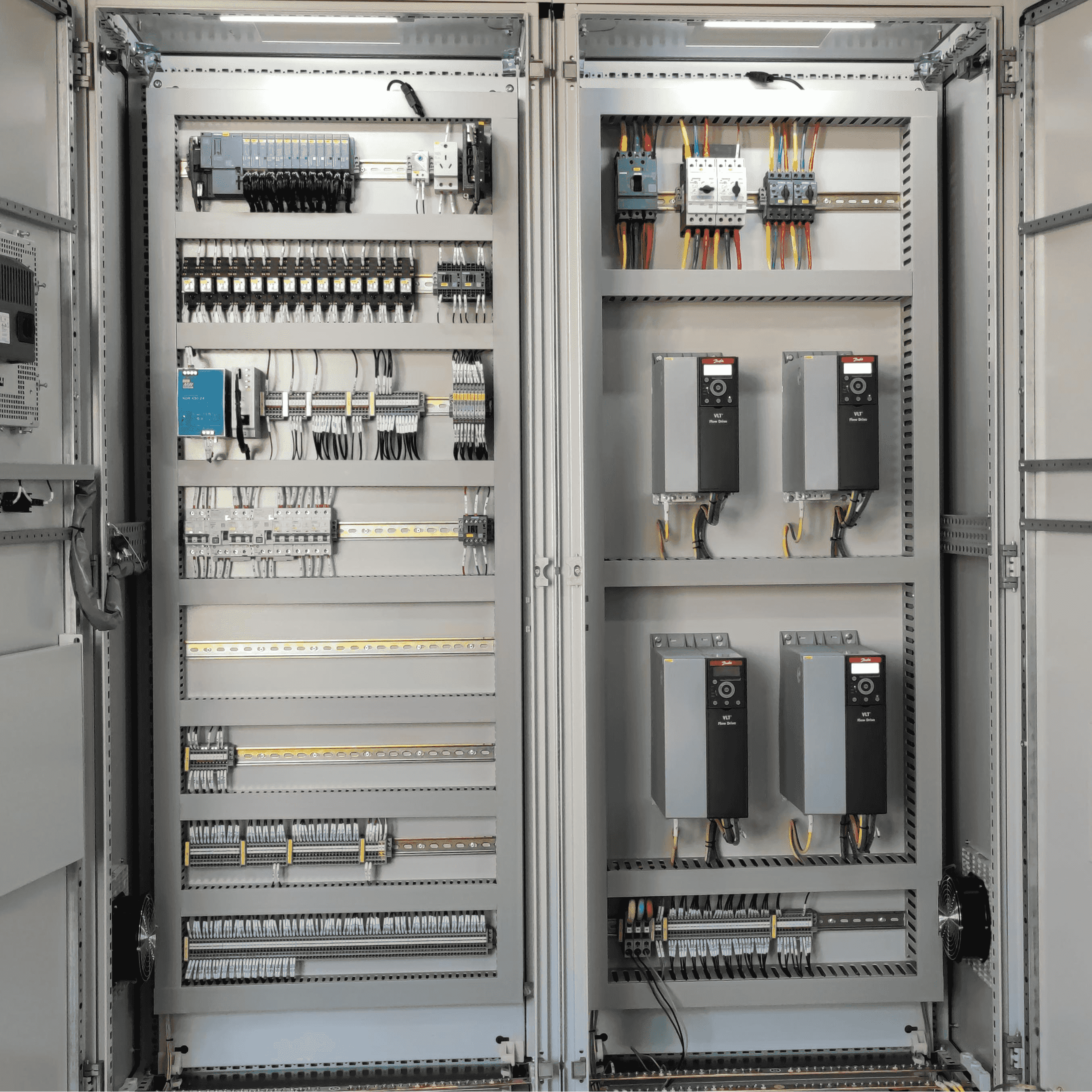
How VFD Control Panels Enable Energy-Efficient Motor Operation
What is a VFD control panel and how does it support energy-saving operation?
Variable Frequency Drive (VFD) panels control motor speeds through a process where they first convert regular AC power into DC, then change it back into adjustable AC with different voltage levels and frequencies. What this means for real world applications is that motors don't have to run constantly at maximum speed when there's no need for it. Instead, they match their output exactly what the system requires at any given moment. For things like water pumps or ventilation fans, these drives actually cut down on electricity usage quite a bit. Some studies show savings anywhere from around 25% up to maybe even 60%, which is way better than older fixed speed systems that just waste energy by either throttling down or using bypass valves to manage flow rates.
The relationship between variable frequency drives (VFDs) and motor energy efficiency
Variable frequency drives (VFDs) make motors work smarter instead of just running them flat out all the time. The math behind this works something like this too: if a motor runs at 75% speed rather than full blast, it actually uses around 42% less power according to those old pump affinity rules engineers love talking about. What makes VFDs so useful is their ability to adjust motor speeds based on what's actually needed right now. This means less wasted electricity when things aren't busy but still enough power to keep everything turning properly. Plus many modern systems come with built-in automation that automatically puts equipment into sleep mode whenever it's sitting around doing nothing, which cuts down on phantom energy consumption without anyone even noticing.
Adjusting motor speed through frequency and voltage control for optimal performance
VFD control panels work by adjusting frequency (measured in Hz) along with voltage levels to keep the right amount of magnetic flux flowing through motor windings no matter what speed they're running at. When it comes to things like pumps and fans which are centrifugal loads, slowing them down just 20% can cut energy usage almost in half while still getting around 80% of the original flow rate out of them. That's pretty impressive when looking at efficiency gains. Another big plus is the soft start feature that comes standard on these systems. This helps reduce the shock to mechanical components when turning on, which means less wear on bearings over time. Equipment tends to last much longer this way some studies show upwards of 70% longer lifespan compared to those old fashioned direct-on-line starts we used back in the day.
Key Energy-Saving Features of Modern VFD Control Panels
PID Control, Standby Mode, and DC-Link Optimization for Reduced Power Consumption
VFD control panels today often use PID control to tweak motor output according to what they sense in real time, which keeps things running efficiently even when load conditions change. When equipment isn't actively working, standby modes kick in to lower power usage, while improvements to the DC link help reduce those pesky switching losses within the drive itself. Combine all these features and industrial facilities typically see around a 30 percent drop in their overall energy bills for motor operations. Some plants report even better savings depending on how frequently motors cycle between active and idle states.
Auto-Switching and Real-Time Adaptation to Dynamic Workload Demands
Modern variable frequency drives (VFDs) can read how much load is on a system and change their operation mode almost immediately based on what's needed at any given moment. Take HVAC systems as a case in point. During busy periods these systems will crank up fan speeds to handle increased airflow demands, then dial them back down when things slow down later in the day. Real world data from commercial buildings shows that implementing smart VFD controls typically leads to around 20-25% energy savings per year. The best part? Equipment still performs just as well as before but uses far less power overall, which makes sense both environmentally and financially for facility managers looking to cut costs without sacrificing comfort levels.
Sensorless Control and Field-Oriented Control (FOC) for Efficient Motor Management
Sensorless control gets rid of those pesky external encoders by figuring out rotor position and speed through electrical measurements instead. This cuts down on system complexity and saves time on maintenance headaches. Then there's field oriented control, or FOC for short, which boosts efficiency because it handles torque and magnetic flux separately. The result? Much better precision control, even when things are running slow. Some tests in actual centrifugal pump setups have found around an 18% improvement in motor efficiency with this method, though results can vary depending on specific conditions and equipment quality.
Regenerative VFDs: Recovering Energy During Motor Deceleration
Regenerative VFDs capture kinetic energy during motor deceleration and feed it back into the power supply using bi-directional inverters. In high-inertia applications like elevators and cranes, this feature can recover up to 30% of the energy typically lost during braking, contributing to overall system efficiency.
Engineering Principles Behind VFD-Driven Energy Savings in Motors
Affinity Laws and the Impact of Variable Speed on Centrifugal Loads Like Pumps and Fans
VFDs save energy in centrifugal systems because of something called affinity laws. These laws basically tell us that when we slow down the rotation speed, the power needed drops off really fast – think about it cubed! Cut the speed by just 20%, and power usage plummets almost half. That's why so many facilities install variable frequency drives on their pumps, fans, and blowers. Operators can adjust motor speeds based on what the system actually needs at any given moment, rather than running everything at full blast all day long. The result? Big savings on electricity bills without hurting equipment performance or output quality.
Matching Motor Speed to Load Profiles for Maximum Energy Savings
Variable frequency drives work by matching motor output to what's actually needed at any given moment through built-in sensors and smart control logic. When conveyors aren't running flat out all day long, these drives cut down on wasted energy during downtime periods by around 30 percent according to field tests. Looking at actual data from meatpacking plants and snack food factories reveals something interesting too: when motors spin at just the right speed for each stage of production, companies save between 18 and maybe even 22% on their yearly electricity bills. The numbers look good on paper, but getting everyone on board with this kind of system change remains a challenge for many plant managers still stuck in old ways of thinking about equipment operation.
Reducing Mechanical and Electrical Losses Through Precise Speed Control
By smoothing out start-stop cycles and maintaining optimal torque, VFDs reduce multiple sources of energy loss:
- Iron losses: Reduced by 15% through stable magnetic flux
- Copper losses: Cut by 12% via consistent current management
-
Friction losses: Lowered by 9% due to gradual acceleration in belt-driven systems
With precision frequency control, motors maintain efficiencies of 93–96% across varying loads—significantly higher than the 84–88% typical of fixed-speed configurations.
Real-World Energy Savings: VFD Applications in Pumps, Fans, and HVAC Systems
Energy Optimization in Pump Systems Using VFD Control Panels
When we adjust pump speeds using those VFD control panels, it cuts down on our dependence on those old school throttling valves and bypass lines. The system can match the actual flow needed pretty much in real time. Some research from last year showed that these variable frequency drive systems used in water distribution and wastewater treatment plants cut energy usage by around 40 to 60 percent compared to traditional fixed speed pumps. What's really nice about this approach is that pressure stays steady throughout the system, which means we're not wasting all that extra energy just sitting there doing nothing.
Improving Fan and Blower Efficiency with Variable Frequency Drives
In centrifugal fan systems, VFDs exploit the cubic relationship between speed and power to deliver exponential energy savings. Applications such as manufacturing ventilation, cooling towers, and commercial air handling units benefit from switching from damper-based control to VFD regulation, which reduces annual energy use by 25–35% in typical installations.
Measured Energy Savings from VFD Installations in Industrial HVAC Applications
HVAC retrofits incorporating VFDs achieve significant reductions by eliminating fixed-speed operation during partial-load conditions—which represent 70–80% of typical building usage. Documented results include:
- 35% average energy reduction in chilled water pumps
- 28% lower cooling costs in air-handling units
- 42% shorter ROI period versus traditional motor starters
These outcomes highlight the impact of dynamic load matching in commercial and industrial climate control systems.
Best Practices for Integrating VFD Control Panels to Maximize Energy Efficiency
Seamless Integration of VFDs with Motors and Control Systems for Optimal Performance
Getting the most out of VFD control panels requires matching them right to the motor specs they'll work with. Things like voltage levels, operating frequency ranges, and how the motor handles heat all need consideration. Choosing the right communication protocols for the job is also important. Protocols such as Modbus TCP or EtherCAT let operators keep tabs on what's happening in real time and coordinate different parts of the system better. Good grounding practices matter too, along with proper harmonic filters and those dynamic braking resistors that help manage sudden stops. These installation details make a big difference. Studies show that when done correctly, this approach can cut down on wasted energy by around 18 to 22 percent specifically for centrifugal pumps and similar equipment.
Modular VFD Designs for Shared Energy Use Across Multiple Motor Systems
Modular VFD systems mounted on rails work well with decentralized control setups, where a single drive can handle several motors at once. Take a water treatment facility for example. One 75 kW variable frequency drive manages three separate 25 kW pumps there. The system balances the workload between them and actually sends extra power back when demand drops off. What makes this approach so attractive is the money saved upfront. Companies report around a third less in initial costs compared to traditional setups. Plus, the speed remains pretty stable throughout all connected equipment, staying within about half a percent variation even under changing conditions.
Advanced Torque and Speed Regulation in Complex Industrial Processes
Premium variable frequency drives with sensorless vector control maintain impressive efficiency levels around 97%, even when running at just 10% of their maximum capacity. These drives work particularly well for applications such as extrusion lines and mixing operations where the consistency of materials keeps changing throughout production runs. The field oriented control technology behind these systems adjusts automatically to variations in inertia and load conditions. Compared to standard V/Hz controls, this approach cuts down on torque fluctuations by roughly 40 percent. What does this mean practically? Smoother machine operation overall and better end products coming off the line. Many manufacturers have noticed significant improvements once they switched from traditional control methods to these advanced alternatives.
FAQs
What are the primary benefits of using VFD control panels?
VFD control panels primarily help in reducing energy consumption by allowing motors to operate at variable speeds instead of full capacity all the time. This not only cuts down electricity bills but also extends the lifespan of equipment and provides more precise control over motor operations.
How do VFDs contribute to energy savings in centrifugal systems?
VFDs rely on affinity laws for saving energy in centrifugal systems. By decreasing the rotation speed of pumps and fans, they significantly reduce the power required, resulting in substantial energy savings.
Are there financial benefits of VFD installations beyond energy savings?
Yes, beyond energy savings, VFD installations can lead to a faster return on investment by reducing overall operating and maintenance costs, as well as extending equipment lifespan due to less mechanical stress.
How does sensorless vector control improve efficiency in industrial processes?
Sensorless vector control improves efficiency by allowing for better torque management and precise speed regulation without external encoders. This results in smoother operation and enhanced product quality in various manufacturing settings.
Table of Contents
- How VFD Control Panels Enable Energy-Efficient Motor Operation
- Key Energy-Saving Features of Modern VFD Control Panels
- Engineering Principles Behind VFD-Driven Energy Savings in Motors
- Real-World Energy Savings: VFD Applications in Pumps, Fans, and HVAC Systems
- Best Practices for Integrating VFD Control Panels to Maximize Energy Efficiency
- FAQs