
 EN
EN



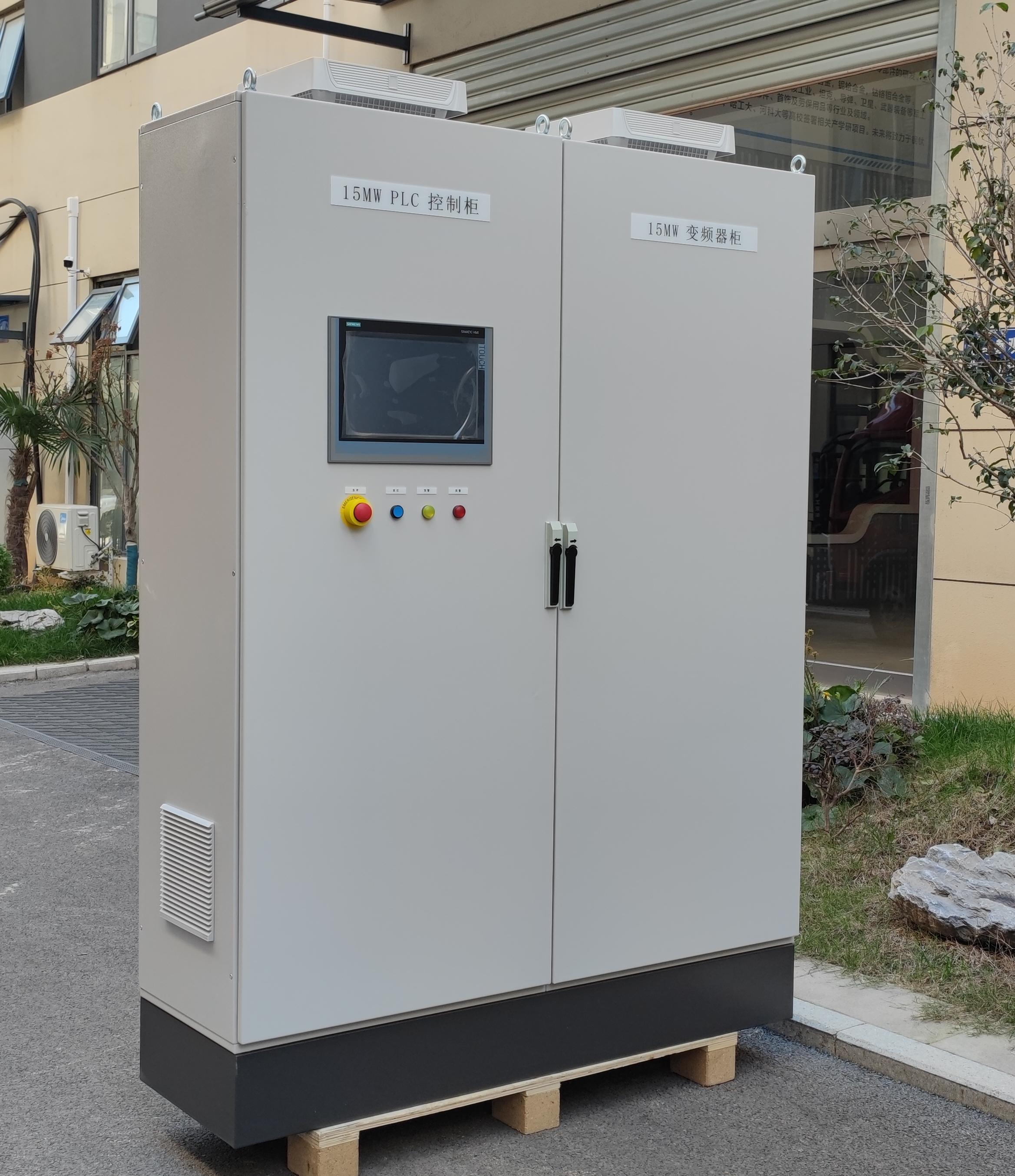
Why Global Industrial Projects Demand Specialized PLC Control Panel Suppliers
Industrial projects around the world deal with all sorts of tough situations from brutal weather conditions to complicated regulations and the need for systems that just never go down. Regular control panels simply can't handle what happens when temperatures spike, corrosive gases build up, or power supply gets unstable in places like mines, power plants, and construction sites. The good news is there are companies making custom panels built tough with components that meet IP65/66 standards and work reliably even when temps drop below freezing or climb past 60 degrees Celsius. These specialized setups matter a lot because when standard equipment fails, it costs companies an average of $740k every single hour according to research from Ponemon Institute back in 2023.
These providers deliver critical value through:
- Compliance mastery: Adherence to IEC 61439, UL 508A, and region-specific certifications like ATEX for hazardous locations
- Integration expertise: Seamless connectivity with legacy SCADA systems and IoT-enabled equipment
- Predictive resilience: Built-in condition monitoring for proactive maintenance in remote sites
Without specialized design, projects risk safety violations, interoperability failures, and 23% higher lifecycle costs due to retrofits (Automation World Benchmark, 2023). The right supplier becomes a strategic partner in ensuring operational continuity across a facility’s 20+ year lifespan.
Leading PLC Control Panel Suppliers with Proven Global Delivery Capability
When looking for PLC control panel suppliers who can handle global operations, it matters a lot for companies running industrial projects worldwide. Good suppliers have built up strong logistics systems alongside solid technical know-how that keeps things running smoothly no matter where they're deployed or what regulations apply locally. We've seen this work particularly well in regions with different standards than what was originally planned. What really counts is how these companies handle all those complicated setups abroad without compromising on quality. Most manufacturers find that working with experienced international partners cuts down on headaches during installation and keeps product standards high throughout the process.
Schneider Electric and Siemens: Integrated PLC Control Panel Solutions for Smart Factories
Both Schneider Electric and Siemens have developed comprehensive PLC control panels that form the core of today's smart manufacturing environments. These systems allow machines to talk to each other through standard protocols such as OPC UA and MQTT, which helps create these big data networks throughout factories. With real time monitoring capabilities, factory managers can see exactly what's happening on the production floor down to the smallest details. The companies also use prediction software that looks at how equipment behaves over time, cutting unexpected breakdowns by around 45% according to their reports. What makes these solutions stand out is their worldwide support network featuring local technical centers and staff who speak multiple languages. This setup means when something goes wrong somewhere in Asia during European business hours, there's still someone available to help fix problems quickly, making it much easier for companies to implement Industry 4.0 technologies without major interruptions to daily operations.
Rockwell Automation, ABB, and Honeywell: Scalable PLC Control Panel Deployment Across Energy and Process Industries
Companies like Rockwell Automation, ABB, and Honeywell have built their reputations around creating reliable PLC control panels specifically designed for energy and process industries. These systems come with modular designs that make expansion easier down the road. They also offer strong environmental protection rated at NEMA 4X/IP66, plus they can handle temperatures ranging from -40 degrees Celsius all the way up to 70 degrees, so they work well even in tough environments. The ability to scale these systems means businesses can start small with just local controls and gradually expand across entire plants without having to completely replace existing infrastructure. When it comes to keeping operations running smoothly, remote diagnostic tools help maintain something close to 99.5 percent uptime, which is really important for facilities located far away like those on offshore oil rigs or deep within mines. Project teams around the world stick to standard procedures during installation, following both local regulations and international standards such as ATEX directives for hazardous areas and IEC 62443 guidelines for cyber security. This approach helps ensure that no matter where these systems are deployed globally, safety remains top priority while maintaining consistent performance levels.
What Sets Top-Tier PLC Control Panel Suppliers Apart: Capabilities That Matter
Engineering & Programming Excellence for Mission-Critical PLC Control Panels
The best suppliers stick to strict engineering guidelines when designing their PLC control panels. They often go for modular programming setups because it makes fixing problems much easier down the road and allows for smoother upgrades later on. Some companies report cutting system downtime by around 40% thanks to these approaches. Before shipping out, every single panel gets put through its paces with failure mode analyses and simulated stress tests. These checks are critical for places where things can't afford to fail, such as power plants or chemical factories where even small issues could have big consequences. Most manufacturers follow standards set by organizations like NFPA 79 and ISA/IEC 62443. The panels also come equipped with built-in safety features that act as insurance against major accidents. All this attention to detail means operators can spot irregularities almost instantly without having to shut everything down for inspections.
Certified Fabrication, Compliance, and Environmental Resilience
Top manufacturers typically carry ISO 9001 and UL 508A certifications, which basically means their production methods meet strict quality control standards across the board. The control panels come with NEMA rated enclosures designed to withstand pretty much anything Mother Nature throws at them including intense heat waves, constant moisture exposure, and even corrosive chemicals without losing functionality. Most companies run their key parts through rigorous stress tests that simulate years of operation, aiming for reliability rates well above industry averages in tough industrial conditions. Some extra protections built into these systems include special seismic supports for regions where earthquakes are common, plus electronic components coated with protective layers to prevent damage from damp environments. When it comes to meeting local regulations around the world, manufacturers usually have all the necessary paperwork ready to go, especially for tricky requirements like ATEX certification needed in places with potential explosion hazards. This preparation helps speed things along when deploying equipment internationally.
Emerging Trends Accelerating PLC Control Panel Innovation in Global Industry
IoT-Enabled PLC Control Panels and Predictive Maintenance Integration
Today's PLC control panels come equipped with IoT sensors that keep an eye on things like vibration levels, temperature changes, and how much power is being used at any given moment. All this information gets sent to cloud platforms where smart algorithms analyze it and predict when equipment might fail weeks ahead of time. Take motor vibrations for example. When sensors attached to PLC systems detect something unusual, they send out warnings long before actual breakdown happens. According to a study released last year, this kind of monitoring cuts down unexpected stoppages by around 40%. Some facilities also incorporate edge computing so important signals get processed right there locally, while less urgent stuff goes to main dashboards elsewhere. The result? Latency drops about 80% compared to systems relying solely on the cloud, yet companies still have complete view of all their assets. Those who implemented these systems early are seeing roughly 30% savings on maintenance bills and getting about 25% more life out of their machines simply because they know exactly when to schedule repairs. What was once just another expense has become a real competitive edge for forward thinking manufacturers.
Choose Bozhi: Expert in Global Industrial PLC Control Panels
FAQ
What are the benefits of using specialized PLC control panels in industrial projects?
Specialized PLC control panels offer enhanced resilience against environmental challenges, ensure compliance with international standards, and improve reliability in mission-critical applications. They provide seamless integration with legacy and modern systems and offer predictive maintenance capabilities, reducing unexpected downtimes and associated costs.
Why do Schneider Electric and Siemens stand out in PLC control panel solutions?
Schneider Electric and Siemens offer comprehensive PLC control panels with advanced communication protocols for smart factories. They provide real-time monitoring, predictive maintenance, and a global support network, helping industries adopt Industry 4.0 technologies efficiently.
How do companies like Rockwell Automation, ABB, and Honeywell support energy and process industries?
These companies specialize in scalable PLC control panels designed for energy and process industries. Their solutions feature modular designs, stringent environmental protection, and remote diagnostics, ensuring high uptime and adaptability to various industrial needs and locations.
What trends are influencing the development of PLC control panels?
Emerging trends include the integration of IoT sensors, predictive maintenance capabilities, and edge computing. These innovations enhance monitoring, reduce latency, and provide valuable data for maintenance, offering cost savings and extending equipment life in industrial settings.
Table of Contents
- Why Global Industrial Projects Demand Specialized PLC Control Panel Suppliers
- Leading PLC Control Panel Suppliers with Proven Global Delivery Capability
- What Sets Top-Tier PLC Control Panel Suppliers Apart: Capabilities That Matter
- Emerging Trends Accelerating PLC Control Panel Innovation in Global Industry
- Choose Bozhi: Expert in Global Industrial PLC Control Panels
-
FAQ
- What are the benefits of using specialized PLC control panels in industrial projects?
- Why do Schneider Electric and Siemens stand out in PLC control panel solutions?
- How do companies like Rockwell Automation, ABB, and Honeywell support energy and process industries?
- What trends are influencing the development of PLC control panels?