
 EN
EN



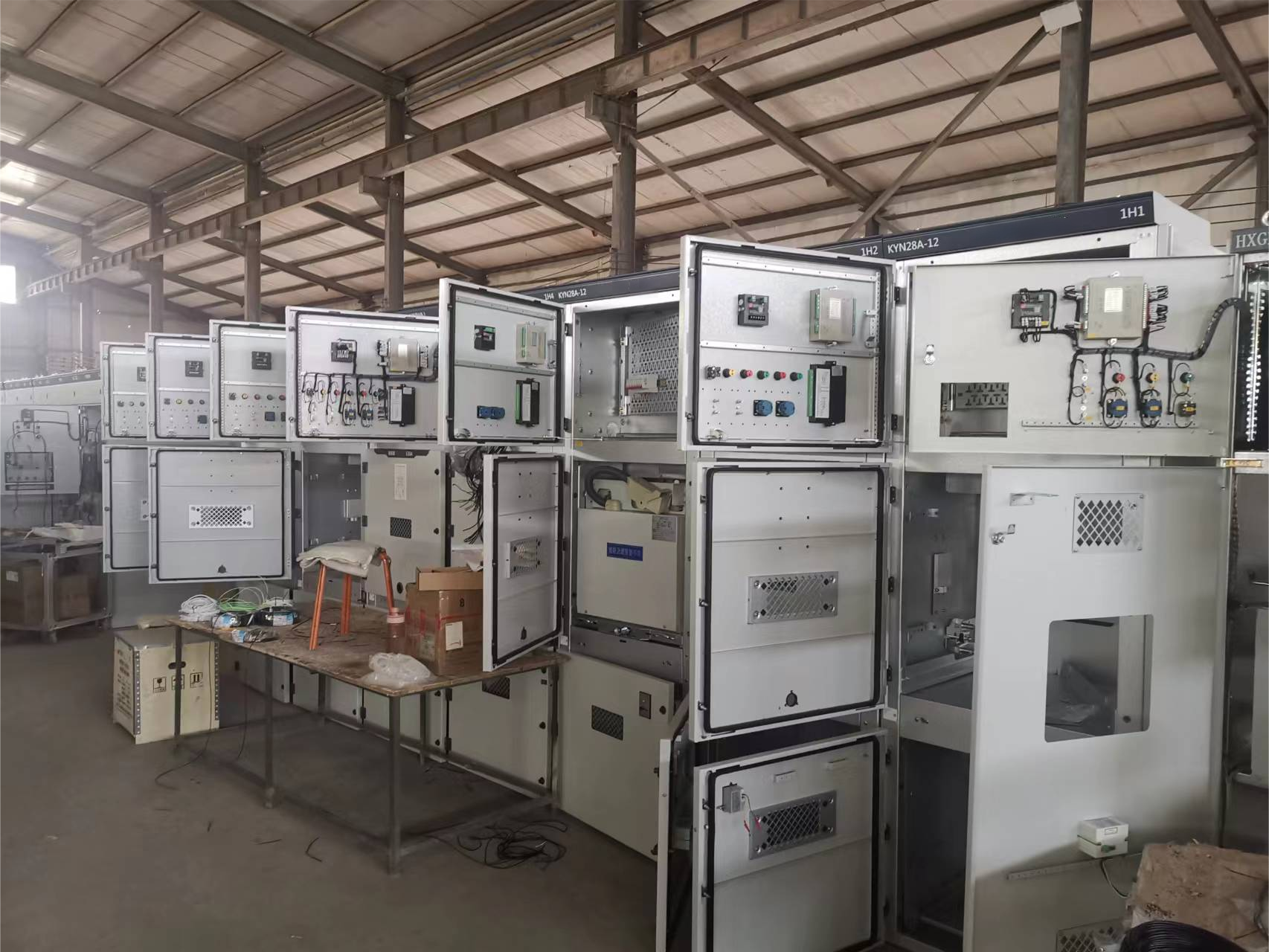
Why Switchgear Reliability Is Critical for Power Project Success
The safety and operational impact of switchgear on grid stability and substation uptime
Switchgear acts like the brain of any electrical system really. If it fails, people get hurt, equipment gets damaged, and the whole power grid becomes unstable. When something goes wrong in the system, like a short circuit happens somewhere, good quality switchgear cuts off the problem area almost instantly. This quick action stops dangerous arc flashes from happening to workers on site and also prevents those nasty thermal runaways that can melt down transformers and wreck nearby equipment. What's important too is maintaining grid frequency around that tight +/- 0.5 Hz range needed for generators to work together properly across different parts of the network. Without this kind of control, everything starts falling apart pretty fast.
For substations, high-reliability switchgear is strongly correlated with uptime. Facilities using IEC 61439-certified assemblies experience 43% fewer unplanned outages, per 2023 transmission reliability studies. Each 1% gain in substation availability translates to approximately $740k in avoided downtime losses (Ponemon Institute, 2023), while ensuring uninterrupted power delivery to hospitals, data centers, and industrial facilities.
Real-world consequences: Case study of India’s 2012 grid collapse linked to switchgear failure
The massive blackout that hit India in July 2012 remains the biggest power outage ever recorded, impacting around 620 million people nationwide. The problem started at a medium voltage switchgear located at a 400kV substation just outside Agra. What happened next? An overloaded transmission line went beyond what it could handle thermally, but because relays didn't coordinate properly, they failed to isolate the issue when needed. Within just a few minutes after this initial failure, things spiraled out of control as failures spread throughout the system. The entire northern grid shut down completely, causing generators to trip off in no less than eight different states across the region.
A forensic investigation uncovered three major problems with the switchgear system. First, there was insulation breakdown in several circuit breakers that nobody had noticed until it was too late. Second, many components simply couldn't handle the level of fault current they were supposed to interrupt. And third, protection settings across the network were configured incorrectly. These failures led to massive economic damage totaling around $2.6 billion, which really highlighted how small issues in local infrastructure can create huge problems at the national level. As a result, Indian authorities have now required continuous monitoring of equipment conditions and pushed forward plans to replace older switchgear faster than originally scheduled. This shows that good maintenance isn't just about keeping operations running smoothly anymore it's become essential for anyone who wants to be considered a responsible player in the electricity grid ecosystem.
Key Criteria for Evaluating Switchgear Export Suppliers
Production capacity, ISO-certified manufacturing, and dedicated export infrastructure
When looking at a supplier's production capabilities, it really matters that they match both the size of the project and how tight the schedule actually is. It's not just about hitting quantity targets but maintaining consistent output over time. Getting ISO 9001 certified shows a company follows quality standards that are accepted worldwide. The numbers back this up too - studies show these quality processes can cut down on defects found in the field by around 40%. Another key factor? Proper export facilities. Warehouses with temperature controls, packaging strong enough for ocean transport, and staff who handle all the customs paperwork help prevent problems during shipping and customs checks. Look for suppliers who consistently deliver on time, ideally around 98% of the time. One late shipment can bring everything to a halt during installation. Companies ready for big projects usually have production lines that can crank out over 500 units each month plus testing labs that check products before they leave the factory. These capabilities speak volumes about whether a supplier can handle major orders with strict deadlines.
Technical support capability: Engineering collaboration, customization, and after-sales service
What sets top suppliers apart is their approach to technical support. Instead of treating it as something extra, they bring engineers into the project from day one. These teams work side by side with clients to tackle real world problems at specific sites. Think about locations with harsh weather conditions, areas prone to earthquakes, or places where equipment faces constant corrosion. Before building anything physical, many companies now run tests using digital twins to make sure everything will work properly. The customization goes way beyond just changing the size or shape of equipment. Modern systems come with safety features like arc flash protection, built in internet connectivity for monitoring performance, and flexible power setups that mix AC and DC sources. All these options help protect investments when regulations change or energy demands shift over time.
After commissioning, having good support just cant be ignored anymore. Technical help available all day every day in multiple languages works best when combined with local service centers and trained engineers onsite. Real world experience indicates that systems with full maintenance agreements typically face about 60 percent fewer unexpected shutdowns compared to setups that only depend on basic warranty coverage. When manufacturers stick around for the long haul with their engineering teams, equipment lasts longer, meets safety standards better, and gives operators peace of mind knowing someone will actually show up when problems arise.
Must-Have International Standards and Certifications for Export-Ready Switchgear
IEC 61439 compliance as the global benchmark for low-voltage switchgear assemblies
The IEC 61439 standard serves as the go-to reference for low voltage switchgear assemblies around the world. Parts 1 and 2 lay out what needs to be checked and tested to make sure these systems meet safety standards. The rules cover things like how strong the assembly has to be, what happens when temperatures rise under normal operation, and whether it can handle unexpected electrical surges. These tests are done by independent labs that most countries trust. When manufacturers stick to this standard, they avoid headaches later on when mixing parts from different suppliers. No one wants to spend extra money fixing problems caused by mismatched certifications after shipping equipment overseas. Real world data backs this up too many installations without proper compliance face about 57 percent more failures when demand spikes, which explains why smart specs always call for full IEC 61439 validation instead of just checking individual components separately.
UL, ANSI C37.20.1, and BIS certification requirements by target market
Getting products into foreign markets depends heavily on meeting specific local regulations rather than just going for generic certifications. Take UL 1558 for instance, which is absolutely necessary when shipping low voltage switchgear to North America. This certification ensures equipment passes tests for things like shock protection, contains arc flashes, and stands up mechanically under stress conditions tested in independent labs. Then there's ANSI C37.20.1 that covers metal enclosed medium voltage gear, setting standards around how well it handles voltage surges, coordinates insulation systems, and cuts off current during faults for both utilities and industrial operations across the US. Over in India, companies need BIS registration from the Bureau of Indian Standards if they want to bid on government contracts or land work with most private sector clients. And don't forget about the Middle East where manufacturers usually face demands for GCC Conformity Marking combined with compliance to IEC standards.
Neglecting these jurisdictional requirements triggers severe consequences: average approval delays of 5–7 months and compliance penalties averaging $740k (Ponemon Institute, 2023). Trusted suppliers proactively maintain active, auditable certification portfolios matched precisely to your target geographies—not just “certification-ready,” but certified and current.
Practical Steps to Verify and Partner with Trusted Switchgear Suppliers
The best way to protect against supply chain risks? Rigorous verification based on solid evidence. Begin by asking suppliers for actual proof of their certifications. Look for things like IEC 61439-1 and -2 standards for low voltage equipment, plus region specific approvals such as UL 1558 in North America, ANSI C37.20.1 for medium voltage gear in the US, or BIS IS 8623 when dealing with Indian markets. Don't just take what they hand over at face value though. Make sure to check these certifications through official online databases maintained by the certification authorities themselves. Supplier provided documents can be helpful but should never be considered conclusive proof on their own.
The next step involves either virtual inspections or actual visits to manufacturing facilities to check their quality control processes according to ISO 9001 standards. Look closely at things like automated testing equipment, labs that verify short circuits, and make sure they have proper tracking systems for each individual product. When it comes to how responsive the technical team is, create some stressful situations to see what happens. For instance, ask them to provide immediate engineering advice about something like retrofitting buildings against earthquakes. During these tests, pay attention to three main factors: how fast they respond, whether they can communicate clearly in our language, and just how deep their knowledge goes when it comes to custom solutions. These assessments give valuable insight into both the reliability and flexibility of the supplier's capabilities.
It's really important to get actual samples and put them through their paces in real world conditions similar to what they'll face in your project. Test how they handle temperature changes within the range we expect, expose them to different humidity levels, and run some short circuit tests that match what might happen if something goes wrong in the system. When looking at contracts, don't just check off the warranty period. Pay attention to what performance standards are actually guaranteed in writing. Make sure there's a commitment for spare parts to be available for at least fifteen years or more. And definitely include clauses about financial penalties if there are delays in getting equipment delivered or getting everything up and running properly.
Projects applying this full-spectrum due diligence framework report 40% fewer operational disruptions in the first five years post-commissioning–proving that supplier verification is not administrative overhead, but foundational to long-term power project success.
FAQ Section
Why is switchgear reliability important for power projects?
Switchgear reliability is crucial because it ensures the safety of personnel, protects equipment, maintains grid stability, and reduces the risk of outages, which can have significant economic impacts.
What was the main issue in India's 2012 grid collapse?
The collapse was linked to switchgear failure, including insulation breakdown, inadequate fault current handling, and incorrect protection settings, leading to widespread outages.
Why are international standards important for switchgear?
International standards like IEC 61439 ensure the safety, compatibility, and reliability of switchgear assemblies, preventing issues that can arise from incorrect specifications or mismatched certifications.
What should be considered when verifying switchgear suppliers?
Verification should include certification proof, inspections of manufacturing processes, assessing technical support capabilities, testing samples, and reviewing contracts for performance guarantees and penalties.