
 EN
EN



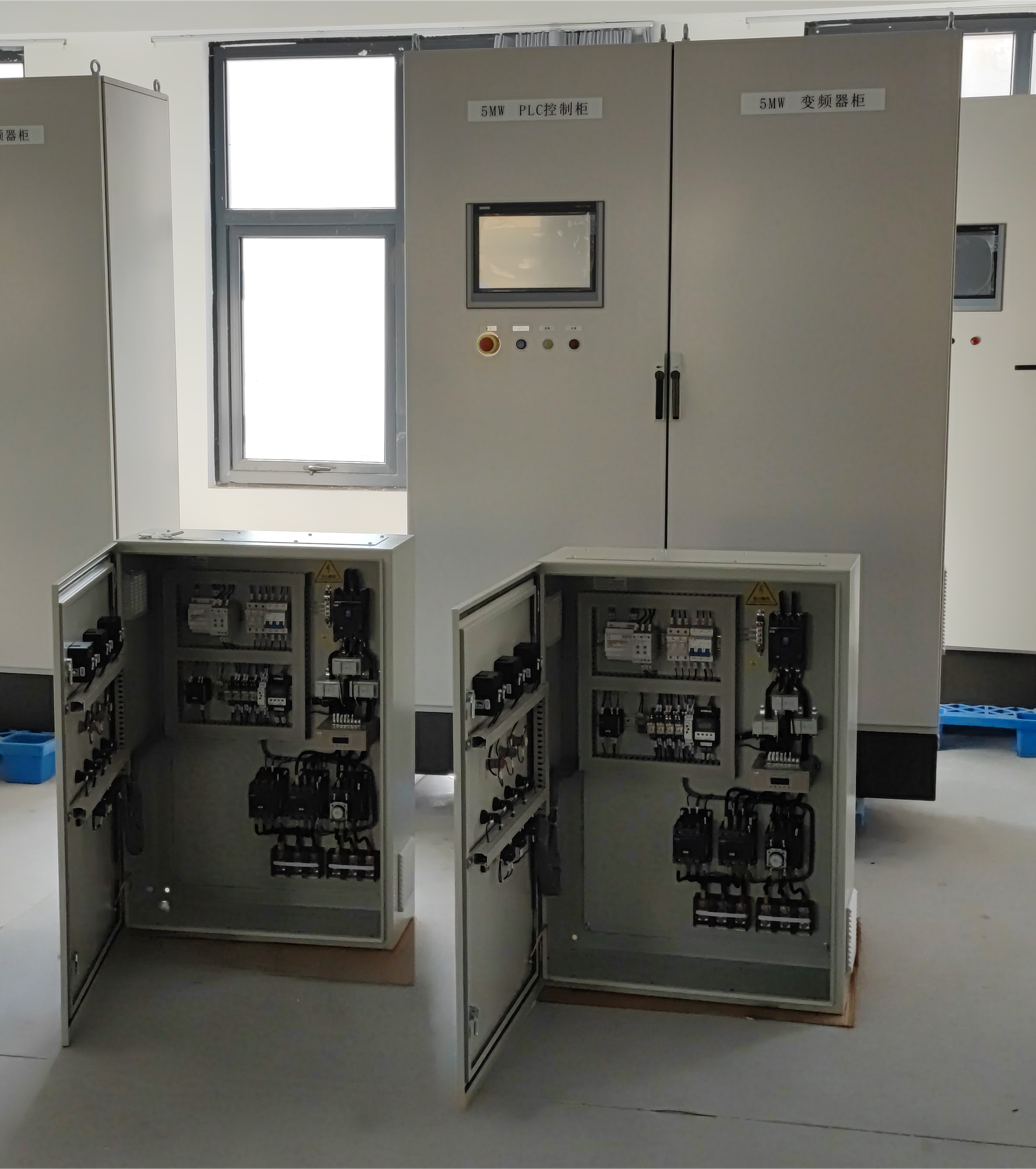
Core Functions of Industrial Control Panels That Guarantee Operational Stability
Continuous Power Management and Redundant Signal Pathways
Control panels for industrial applications keep things running smoothly thanks to sophisticated power management tech that stops those annoying voltage spikes and drops. When the main power goes down, automatic transfer switches kick in and switch over to backup power without missing a beat, cutting downtime way down. For keeping data intact in places where there's lots of electrical interference, engineers often build in redundant systems with multiple communication paths so nothing gets lost if one channel fails. Studies show this kind of redundancy cuts production stoppages by around 92% across manufacturing plants. Thermal sensors built right into these systems constantly monitor temperature levels and trigger cooling mechanisms whenever components start getting too hot, which helps maintain performance even during long periods of operation.
Synchronized PLC-HMI Integration for Real-Time Response and Fault Containment
Putting together PLCs (those programmable logic controllers) with HMI systems basically creates this feedback loop situation where sensors feed information right back into the system for instant fixes. If something goes wrong like unexpected vibrations or sudden pressure jumps, the PLC kicks in those built-in safety routines almost instantly, cutting off whatever part is acting up without stopping everything else. The HMIs really help techs figure out problems too because they show exactly where things went south on those colorful diagrams, so folks can jump in fast before minor hiccups turn into major headaches. Factories have seen response times drop around three quarters when switching from old school manual checks, and many report about half as many follow-up issues once these integrated systems are in place. On top of all that, predictive software looks at past performance data to spot when parts might start failing soon, which means repairs happen during scheduled maintenance windows instead of causing unplanned shutdowns.
Design Principles Ensuring Control Panel Resilience in Harsh Industrial Settings
Environmental Hardening: IP Ratings, Conformal Coating, and Potting for Dust, Moisture, and Vibration Resistance
Control panels used in industrial settings need to handle all sorts of tough conditions like dust buildup, moisture exposure, and constant mechanical vibrations. These factors actually account for about one third of early equipment failures according to Reliability Journal research from last year. The first line of defense typically comes through properly rated enclosures. IP65 ratings mean the panel can resist both dust particles and water spray from a jet nozzle, whereas IP67 rated units will survive being submerged temporarily. Inside the enclosure, applying conformal coatings made from either acrylic or silicone creates a protective layer over circuits that stops corrosion and those annoying electrochemical migrations we all hate. For really critical systems where reliability matters most, manufacturers often go with epoxy potting techniques that completely surround electronic components. This approach makes them much tougher against impacts reaching up around 50G forces and works across temperature extremes from minus 40 degrees Celsius right up to 125 degrees. Pair this protection strategy with vibration dampers meeting IEC 60068 specs and maintenance crews see roughly two thirds fewer breakdowns in tough industries like mining operations and chemical plants.
Smart Monitoring and Predictive Capabilities to Sustain Control Panel Stability
Today's industrial control panels come equipped with built-in sensors and smart AI systems that help keep everything running smoothly. The real time monitoring system keeps an eye on several important factors like temperature changes (it sends warnings when things get above 150 degrees Celsius), electrical variations within about 2 percent, and movement levels that trigger alerts once they exceed 5 micrometers of displacement. All this quick analysis means safety measures kick in even before things reach dangerous levels, which cuts down unexpected stoppages by around half in factories. These predictive tools look at what's happening now against past records to guess when parts might start wearing out, getting about 92 percent right most of the time. They can spot problems with capacitors or relay contacts weeks ahead of schedule. Switching from regular maintenance schedules to checking based on actual conditions has been shown to make components last between 20 to 40 percent longer while saving roughly $74,000 annually per group of panels according to Ponemon research from 2023. All these insights get gathered together on central screens so operators can optimize how electricity flows through the whole system and balance loads better for maximum efficiency across operations.
FAQ
Why is redundant signal pathways important in control panels?
Redundant signal pathways help maintain communication even if one channel fails, significantly reducing production stoppages by about 92% in manufacturing plants.
How do IP ratings protect industrial control panels?
IP ratings, like IP65 and IP67, indicate the panel's resistance to dust, water spray, and temporary submersion, protecting against environmental threats.
What is the role of predictive software in PLC-HMI integration?
The predictive software analyzes past data to anticipate potential failures, allowing repairs during scheduled maintenance, decreasing unplanned shutdowns.