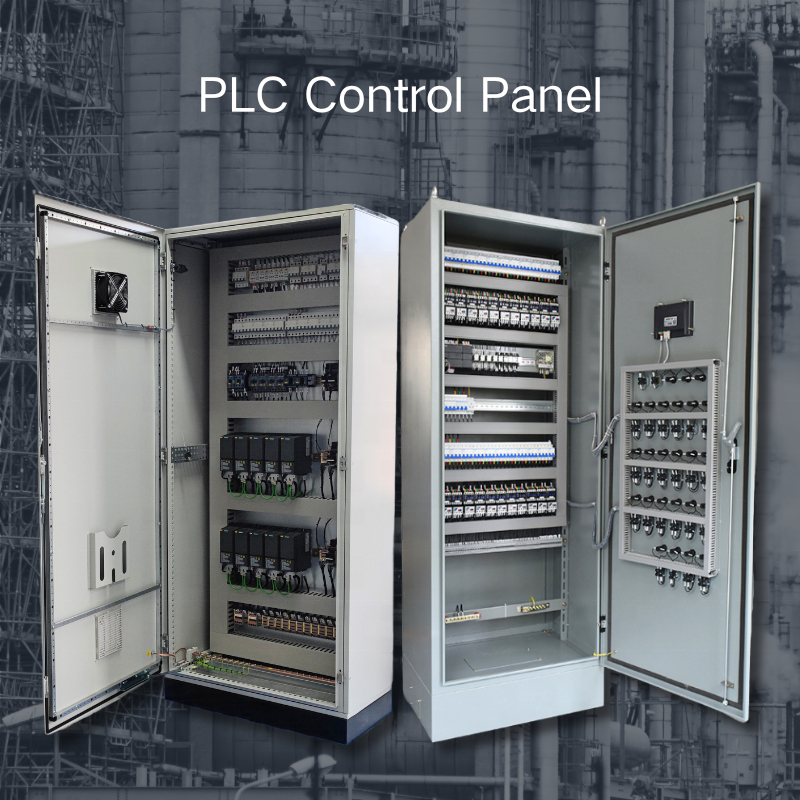
Control panel technology continues to evolve through the adoption of wireless connectivity, energy harvesting components, and distributed control architectures that decentralize intelligence throughout industrial facilities. These systems employ standardized communication protocols that enable multi-vendor interoperability while maintaining deterministic performance for critical control functions. In water distribution applications, control panels implement pump scheduling optimization based on demand forecasting, while maintaining distribution pressure within optimal ranges through variable speed drive control and tank level coordination. For automotive paint shops, panels maintain critical environmental conditions through dew point control, electrostatic painting voltage regulation, and overspray collection system management. A case study in a paper mill demonstrates how control panels with cross-direction basis weight control achieved 8% reduction in fiber usage through scanning gauge integration, while maintaining web tension control through dancer position regulation. The manufacturing process incorporates lean production principles with kanban material replenishment, standardized work instructions, and poka-yoke error proofing at critical assembly stations. Environmental compliance includes RoHS compliance for hazardous substance restrictions, REACH compliance for chemical registration, and WEEE compliance for end-of-life disposal. Cybersecurity certifications include UL 2900-1 for network connectable equipment, IEC 62443 compliance for industrial automation control systems, and NIST SP 800-82 guidelines for industrial control system security. For specialized performance requirements and current commercial terms, we invite you to submit your application details to our technical department for comprehensive evaluation and proposal development.