
 EN
EN



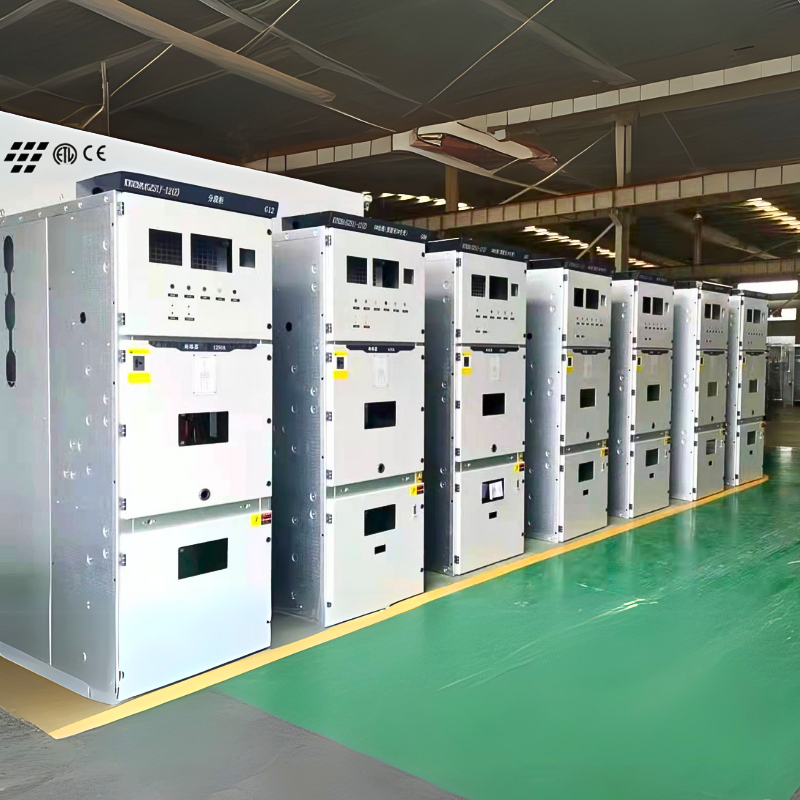
Was sind MV-Schaltanlagen und warum sind sie für die Stromverteilung entscheidend?
MS-Schaltanlagen übernehmen die Steuerung, den Schutz und die Trennung elektrischer Stromkreise mit Spannungen von 600 Volt bis hin zu 69 Kilovolt. Stellen Sie sich diese Anlagen als das Herzstück zuverlässiger Stromverteilungssysteme vor, die Tag für Tag ein störungsfreies Betreiben sicherstellen, Fehlerbegrenzung ermöglichen und unerwartete Ausfälle reduzieren. Sobald etwas schiefgeht – etwa bei einem Kurzschluss oder einer Überlastsituation – greifen die in der Schaltanlage integrierten Leistungsschalter innerhalb weniger Millisekunden blitzschnell ein: Sie unterbrechen den Stromfluss, bevor Transformatoren beschädigt werden, schützen Zuleitungen und bewahren nachgeschaltete Geräte vor Schäden – und gewährleisten gleichzeitig die Sicherheit der Mitarbeiter. Mit dem zunehmenden Anschluss von Solarparks und Windparks an das Stromnetz spielt die MS-Schaltanlage eine zentrale Rolle bei der reibungslosen Steuerung des Energieflusses zwischen diesen dezentralen Erzeugern und den Hauptnetzleitungen. Auch Betriebe, die in hochwertige Schutzsysteme investieren, erzielen messbare Erfolge: Studien aus dem Jahr 2025 zeigen, dass Anlagen mit fachgerecht ausgelegten Systemen jährlich rund 40 Prozent weniger Ausfallstunden verzeichnen. Stellen Sie sich jedoch einmal vor, was passieren würde, wenn MS-Schaltanlagen nicht ordnungsgemäß funktionierten: Elektrische Anlagen wären einem deutlich höheren Risiko für Unfälle ausgesetzt, Ausfälle von Geräten würden signifikant wahrscheinlicher, und lebenswichtige Versorgungsdienstleistungen in Städten und Gemeinden könnten erhebliche Unterbrechungen sowie kostspielige Verzögerungen erleiden.
Kernarten von Mittelspannungs-Schaltanlagen: luftisoliert vs. gasisoliert vs. festisoliert
Schaltanlagen für Mittelspannung (MV) bilden das Rückgrat von Stromverteilungssystemen und trennen elektrische Stromkreise bei Störungen und während Wartungsarbeiten ab. Drei Hauptausführungen dominieren die moderne Infrastruktur, wobei jede spezifische betriebliche Vorteile bietet.
Luftisolierte Schaltanlagen (AIS): Merkmale und Einsatzgebiete
Luftisolierte Schaltanlagen (AIS) nutzen normale Luft als Hauptisoliermittel, wobei Abstände zwischen den leitfähigen Teilen eingehalten werden. Der Nachteil besteht darin, dass diese Anlagen bei der Installation relativ viel Platz benötigen und in der Regel 30 bis 50 Prozent mehr Raum einnehmen als andere Lösungen. Was ihnen jedoch an Kompaktheit fehlt, gleichen sie durch geringere Anschaffungskosten aus – typischerweise zwischen 15.000 und 40.000 US-Dollar pro Feld. Aufgrund ihres einfachen Aufbaus eignen sich AIS-Anlagen am besten für Standorte mit ausreichend Platz, beispielsweise große Außen-Umspannwerke oder weitläufige Fertigungsstätten. Bei Wartungsarbeiten begutachten Techniker meist lediglich den gesamten Bereich vor Ort, entfernen Staubansammlungen und prüfen, ob alle Komponenten ihre elektrischen Isoliereigenschaften ordnungsgemäß bewahren.
Vorteile von gasisolierten Schaltanlagen (GIS) in raumkritischen Umgebungen
Gasisolierte Schaltanlagen (GIS) verwenden Schwefelhexafluorid-Gas als Isoliermittel und integrieren sämtliche Komponenten in hermetisch verschlossenen Metallgehäusen. Was bedeutet das? Der benötigte Platz ist im Vergleich zu herkömmlichen luftisolierten Schaltanlagen (AIS) um rund 70 Prozent geringer. Das macht einen erheblichen Unterschied bei der Installation an beengten Standorten wie städtischen Umspannwerken, unterirdischen Anlagen oder sogar in den obersten Stockwerken von Wolkenkratzern, wo jeder Quadratmeter zählt. Zugegeben: GIS verursachen zunächst höhere Investitionskosten – etwa 20 bis 40 Prozent mehr als konventionelle Alternativen. Langfristig amortisieren sie sich jedoch, da aufgrund ihrer Korrosionsbeständigkeit deutlich weniger Wartung erforderlich ist. Zudem bleibt alles durch die vollständige Abdichtung vor äußeren Einflüssen geschützt, sodass keine Kontamination durch Umwelteinflüsse erfolgt. Und nicht zu vergessen sind auch die Zuverlässigkeitsfaktoren: Diese Anlagen funktionieren selbst unter anspruchsvollen Bedingungen hervorragend – etwa bei hoher Luftverschmutzung oder konstant hoher Luftfeuchtigkeit. Daher sind sie besonders an Küstenregionen sowie in Gebieten mit intensiver industrieller Fertigung sehr verbreitet.
Feststoffisolierte Schaltanlage (SIS) für erhöhte Sicherheit und Zuverlässigkeit
Das SIS-System umhüllt Leiter entweder mit Epoxidharz oder Silikonkautschuk und ersetzt damit vollständig herkömmliche Isolierverfahren auf Gas- oder Öl-Basis. Ein wesentlicher Vorteil besteht darin, dass es keinerlei SF6-Gase freisetzt – eine hervorragende Nachricht für Unternehmen, die Umweltstandards erfüllen müssen. Zudem können diese Systeme extrem hohe Betriebstemperaturen von minus 40 Grad Celsius bis plus 55 Grad Celsius bewältigen, ohne an Wirksamkeit einzubüßen. Es besteht keinerlei Notwendigkeit für Nachfüllungen, regelmäßige Gasprüfungen oder den Umgang mit verschmutzenden Ölen – dies spart laut einer kürzlich von der IEEE im Jahr 2023 veröffentlichten Studie rund ein Viertel der gesamten Lebenszykluskosten. Aufgrund ihrer hervorragenden Fähigkeit, gefährliche elektrische Lichtbögen einzuschließen, setzen zahlreiche Anlagen stark auf diese Technologie, wo Zuverlässigkeit oberste Priorität hat – etwa in der Infrastruktur von Krankenhäusern, Rechenzentren für Big Data sowie vielbefahrenen Verkehrsterminals im ganzen Land.
| Typ | Isolationsmedium | Raumanforderungen | Hauptvorteil | Ideale Anwendung |
|---|---|---|---|---|
| AIS | Luft | Hoch | Geringste Anschaffungskosten | Ländliche Umspannwerke |
| GIS | SF6-Gas | Mindestwert | Extrem geringe Bauform | Städtische Hochhäuser |
| Sis | Feste Polymere | - Einigermaßen | Emissionsfrei ohne Wartung | Kritische Infrastruktur |
Die Auswahl zwischen AIS, GIS und SIS hängt von den Spannungsanforderungen, den Umgebungsbedingungen, den räumlichen Gegebenheiten und den langfristigen Betriebsprioritäten ab – nicht nur vom anfänglichen Budget. Versorgungsunternehmen bevorzugen AIS häufig für erweiterbare ländliche Stromnetze, während Industriebetriebe zunehmend GIS und SIS wählen, wo Sicherheit, belegte Fläche und Zuverlässigkeit über die gesamte Lebensdauer zwingende Kriterien sind.
Wichtige Anwendungen von Mittelspannungs-Schaltanlagen in verschiedenen Branchen
Versorgungsnetz-Unterstationen und Netzanschlüsse
Mittelspannungs-Schaltanlagen befinden sich im Kern der meisten Versorgungs-Umformstationen und fungieren als entscheidende Verbindung zwischen der Stromerzeugung und der Verteilung an Haushalte und Unternehmen. Wenn auf dem Netz ein Fehler auftritt, greifen diese Systeme schnell ein, um Störungen zu isolieren, bevor sie sich wie ein Lauffeuer im Netz ausbreiten und so die Spannungshöhe entlang der langen Übertragungsleitungen stabil halten. Moderne Anlagen umfassen häufig automatisierte Ringnetzschaltgeräte (RMUs) zusammen mit Abschnittsschaltern, die den Stromfluss tatsächlich in Echtzeit umleiten können. Dadurch kommt es seltener zu Stromausfällen für die Bevölkerung in Städten und Gemeinden des Landes – selbst dann, wenn die Nachfrage während Hitzewellen oder Winterstürmen unerwartet stark ansteigt. Für Energieversorgungsunternehmen macht diese Art intelligenter Infrastruktur den entscheidenden Unterschied bei der Aufrechterhaltung einer zuverlässigen Versorgung trotz ständig wechselnder Verbrauchsmuster.
Industrieanlagen und Schutz kritischer Infrastruktur
Mittelspannungsschaltanlagen spielen eine entscheidende Rolle in Fertigungsanlagen und Prozessindustrien, indem sie wertvolle Geräte wie Motoren, Antriebe und Transformatoren vor elektrischen Störungen schützen, die die Produktion unterbrechen oder gefährliche Situationen verursachen könnten. Wenn diese Systeme ordnungsgemäß funktionieren, verhindern sie jene kostspieligen Ausfallzeiten, vor denen wir alle so sehr Angst haben. Laut einer Studie des Ponemon Institute zur industriellen Resilienz aus dem Jahr 2023 belaufen sich die durch jeden Vorfall verursachten Kosten im Durchschnitt auf über 740.000 USD. Für Anlagenleiter ist diese Summe keineswegs zu vernachlässigen. Für Mitarbeiter in besonders risikoreichen Umgebungen – etwa in chemischen Produktionsanlagen, Klärwerken oder sogar Notfall-Leitstellen – machen lichtbogenresistente Konstruktionen einen echten Unterschied bei der Sicherstellung der Mitarbeitersicherheit während unerwarteter elektrischer Ausfälle.
Integration erneuerbarer Energien (Wind-/Solarparks)
Mittelspannungs-Schaltanlagen sind unverzichtbar, um erneuerbare Energiequellen wie Windkraftanlagen und Solaranlagen mit dem elektrischen Versorgungsnetz zu verbinden. Diese Systeme übernehmen die anspruchsvolle Aufgabe, Spannungsschwankungen zu bewältigen, die durch wetterbedingte Schwankungen in der Stromerzeugung entstehen. Sie gewährleisten zudem, dass Wechselrichter und Generatoren ordnungsgemäß mit der bestehenden Netzinfrastruktur zusammenarbeiten, und schützen kritische Komponenten wie Hochsetztransformatoren vor Schäden bei Störungen oder Überlastungen. Was diese Technologie heute besonders wertvoll macht, ist ihre Fähigkeit, den bidirektionalen Stromfluss zwischen weit entfernten Solarparks und städtischen Verbrauchszentren zu steuern. Da immer mehr Haushalte und Unternehmen ihren eigenen Strom über Dachphotovoltaikanlagen und kleine Windkraftanlagen erzeugen, trägt moderne Mittelspannungs-Schalttechnik dazu bei, die Netzstabilität aufrechtzuerhalten – selbst wenn zentrale konventionelle Kraftwerke im Energiemix zunehmend an Bedeutung verlieren.
Auswahl der richtigen Mittelspannungs-Schaltanlage: Spannungsstufe, Normen und Lebenszyklusaspekte
Bei der Auswahl von Mittelspannungs-Schaltanlagen sind tatsächlich drei Hauptaspekte zu berücksichtigen: technische Spezifikationen, die Einhaltung gesetzlicher Vorschriften sowie die langfristige Betriebstauglichkeit. Beginnen Sie damit, sicherzustellen, dass die Nennspannung genau den Anforderungen des Systems entspricht, innerhalb dessen die Anlage betrieben werden soll – typischerweise im Bereich von 5 bis 36 kV. Prüfen Sie zudem, ob die Schaltanlage Kurzschlussströme bewältigen kann, die höher sind als die möglichen Kurzschlussströme am Installationsort. Diese Fehlerstromwerte ergeben sich in der Regel aus den Schutzberechnungen, die Ingenieure gemeinsam durchführen. Als Nächstes ist die Konformität mit internationalen Normen wie IEC 62271-1 (allgemeine Anforderungen) oder IEC 62271-200 (speziell für Wechselstrom-Schaltanlagen mit metallischem Gehäuse) zu prüfen. Die Einhaltung dieser Normen ist nicht bloß eine formale Angelegenheit – sie gewährleistet vielmehr, dass alle Komponenten sicher zusammenarbeiten und ordnungsgemäß zertifiziert werden können. Geräte, die diesen Normen nicht entsprechen, verursachen später sowohl betriebliche als auch rechtliche Probleme.
Drittens: Bewertung des gesamten Lebenszykluswerts – nicht nur des Kaufpreises:
- Zuverlässigkeit feststoffisolierte Konstruktionen reduzieren die Häufigkeit von ungeplanten Wartungsmaßnahmen um bis zu 30 % im Vergleich zu luftisolierten Alternativen, laut dem Elektrosicherheitsbericht 2023.
- Wartungszugänglichkeit modulare, frontal zugängliche Architekturen vereinfachen Inspektionen, Diagnosen und den Austausch von Komponenten – wodurch die durchschnittliche Reparaturzeit (MTTR) um bis zu 40 % gesenkt wird.
- Raumeffizienz gIS beansprucht etwa 40 % weniger Bodenfläche als vergleichbare AIS-Anlagen – was sie unverzichtbar für raumkritische städtische oder innenliegende Umspannwerke macht.
- Zukunftssicherheit stellen Sie sicher, dass native Unterstützung für intelligente Stromnetz-Kommunikationsprotokolle wie IEC 61850 vorhanden ist, um die Integration mit SCADA-, Zustandsüberwachungs- und prädiktiven Wartungsplattformen zu ermöglichen.
Bei der Auswahl von Ausrüstung spielen auch Umgebungsbedingungen eine große Rolle. Dazu zählen beispielsweise der Einbauort – ob im Innen- oder Außenbereich –, die zu erwartenden Temperaturbedingungen, die Luftverschmutzung gemäß Normen wie IEC 60815 sowie das Vorhandensein von Erdbebenrisiken. Vergessen Sie auch den Lieferanten nicht: Prüfen Sie, ob dieser über praktische Erfahrung mit vergleichbaren Installationen verfügt, bei Bedarf vor Ort Unterstützung leisten kann und Nachweise darüber vorlegen kann, wie lange seine Produkte tatsächlich im Einsatz sind. Die Berücksichtigung all dieser Faktoren liefert ein deutlich realistischeres Gesamtbild. Dieser Ansatz führt zu Anlagen, die langfristig Verschleiß und Belastung standhalten, sich an zukünftige Anforderungen anpassen lassen und Facility-Managern letztendlich langfristig Kosten sparen.
Häufig gestellte Fragen
Wofür wird Mittelspannungs-Schaltanlage verwendet?
Mittelspannungs-Schaltanlagen dienen zur Steuerung, zum Schutz und zur Trennung elektrischer Stromkreise, die mit Spannungen zwischen 600 Volt und 69 Kilovolt betrieben werden. Sie gewährleisten eine zuverlässige Energieverteilung und verhindern Störungen.
Welche sind die wichtigsten Arten von Mittelspannungs-Schaltanlagen?
Die drei wichtigsten Arten von Mittelspannungs-Schaltanlagen sind luftisolierte Schaltanlagen (AIS), gasisolierte Schaltanlagen (GIS) und feststoffisolierte Schaltanlagen (SIS), wobei jede Art über spezifische Merkmale und Anwendungsbereiche verfügt.
Warum werden GIS-Anlagen in städtischen Gebieten bevorzugt?
GIS benötigt nur minimalen Platz und zeichnet sich durch hohe Zuverlässigkeit aus, weshalb sie sich ideal für beengte Räume wie städtische Umspannwerke und Hochhäuser eignet.
Wie wählt man die richtige Mittelspannungs-Schaltanlage aus?
Berücksichtigen Sie bei der Auswahl einer Mittelspannungs-Schaltanlage technische Spezifikationen, gesetzliche und normative Vorgaben, Zuverlässigkeit über den gesamten Lebenszyklus, Umgebungsbedingungen sowie die Erfahrung des Lieferanten.
Inhaltsverzeichnis
- Was sind MV-Schaltanlagen und warum sind sie für die Stromverteilung entscheidend?
- Kernarten von Mittelspannungs-Schaltanlagen: luftisoliert vs. gasisoliert vs. festisoliert
- Wichtige Anwendungen von Mittelspannungs-Schaltanlagen in verschiedenen Branchen
- Auswahl der richtigen Mittelspannungs-Schaltanlage: Spannungsstufe, Normen und Lebenszyklusaspekte
- Häufig gestellte Fragen