
 EN
EN



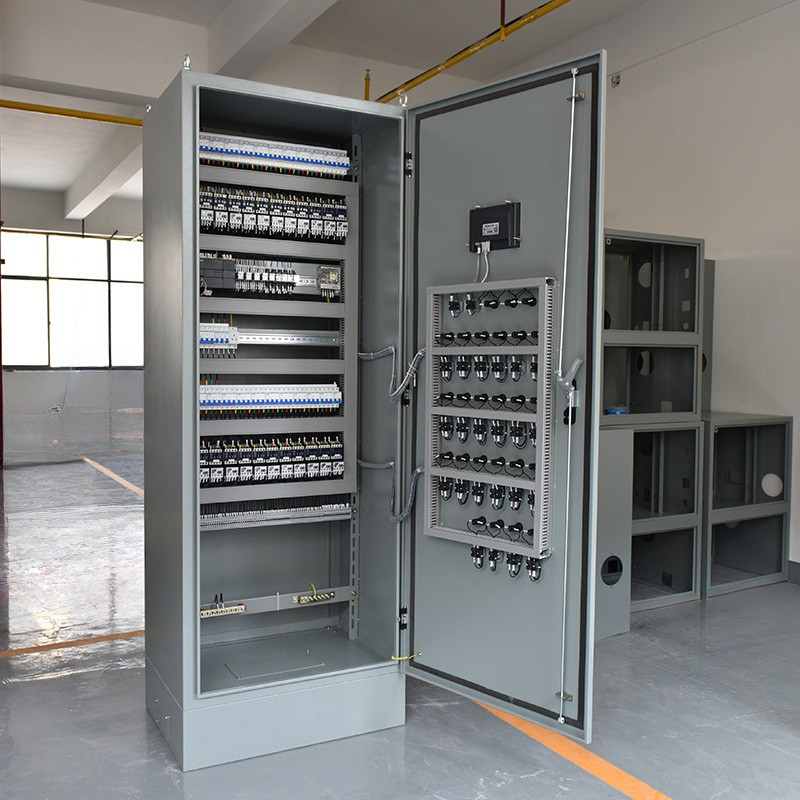
How PLC Control Panels Enable Real-Time SCADA Integration
Programmable Logic Controllers (PLCs) now come with built-in networking that makes them indispensable in modern industrial automation setups. These control panels form the foundation for real-time SCADA systems across factories and plants. With Ethernet ports right on board plus serial connections and internal protocol support, they can talk directly to other devices without needing extra hardware or software layers. When PLCs process sensor readings and machine status information right where it happens before sending data to central monitoring systems, this cuts down overall response time to less than half a second. That kind of speed matters a lot when controlling assembly lines or triggering emergency stops. The physical build quality is another plus point too. Most PLC panels are designed to withstand tough conditions including extreme temperatures and all sorts of electrical noise common in manufacturing facilities.
Native Communication Capabilities of Modern PLC Control Panels
Modern PLC control panels come with support for multiple protocols, making them compatible with most SCADA systems right out of the box. Common connections like RS-485 and Ethernet TCP/IP allow two-way communication between devices. On one side, PLCs send information about inputs/outputs, sensors, and alarms. They also receive instructions from the SCADA system at the same time. Take water treatment facilities as an example. These plants rely on such connections to keep track of pump pressure levels and where valves are positioned. Operators can even tweak flow rates from remote locations when needed. Because these systems work together so well without needing extra software layers, companies save money during installation. Some estimates suggest savings around 40% over older setups according to a recent industry report. Plus, the way these components connect improves security too. Manufacturers include features like VLAN segmentation and encrypted tunnels as standard protection against cyber threats.
The Role of Embedded Protocols (EtherNet/IP, Profinet, Modbus TCP) in Seamless SCADA Linking
Standard protocols across the industry make it possible to send data deterministically and with minimal delay between PLC control panels and SCADA systems. Take EtherNet/IP for example, it’s great for real-time control messages on things like car manufacturing lines. Then there’s Profinet which keeps everything synchronized in packaging machines down to fractions of a millisecond. And don’t forget about Modbus TCP. This one makes life easier when monitoring energy usage because most SCADA platforms can read PLC data right out of the box without needing special drivers according to the Industrial Networking Report from last year. All these built-in protocols basically take care of:
- Cyclic transmission of process variables (e.g., temperature, pressure)
- Event-triggered alarm notifications
- Synchronization of configuration parameters
- Secure firmware update distribution
The choice of protocol directly influences integration performance, scalability, and determinism:
| Protocol | Data Rate | Determinism | Typical Use Case |
|---|---|---|---|
| EtherNet/IP | 100 Mbps | <1ms | Robotic cell control |
| Profinet | 1 Gbps | <0.5ms | High-speed manufacturing |
| Modbus TCP | 10 Mbps | 5–10ms | Facility monitoring systems |
Key Protocols for PLC Control Panel–SCADA Interoperability
Effective integration between PLC control panels and SCADA systems relies on standardized communication protocols that balance performance, security, and cross-platform compatibility.
OPC UA: The Secure, Cross-Platform Standard for PLC Control Panel Data Exchange
OPC UA, known formally as Open Platform Communications Unified Architecture, is becoming the go-to standard for getting different industrial systems to talk to each other. The technology allows secure data exchange between PLCs and SCADA systems even when they run on completely different platforms. Think about Windows servers working alongside Linux machines and those tiny embedded controllers that barely have enough power to run basic functions. What sets OPC UA apart from older methods is how it handles security features like user authentication and access controls while still supporting detailed representations of factory assets. One big plus? Unlike many previous solutions, OPC UA doesn’t tie itself down to specific vendor platforms. According to industry reports from 2024, this can cut integration expenses around 30% when updating older facilities with newer equipment. For manufacturers stuck maintaining both old and new machinery, this kind of flexibility saves headaches and money without requiring complete overhauls of existing infrastructure.
Legacy vs. Modern Protocol Trade-offs: Modbus RTU/ASCII vs. EtherNet/IP in SCADA Contexts
When deciding between old-school and newer communication protocols, engineers face some tough choices. Take Modbus RTU/ASCII for example, it’s straightforward to work with and plays nicely with those ancient PLC control panels still kicking around many facilities. The downside? No encryption whatsoever and speed limits capped at around 115 kbps which can really slow things down when dealing with large volumes of data in SCADA systems. On the flip side, EtherNet/IP takes advantage of regular Ethernet wiring to push gigabit speeds and supports real-time data transfers plus has encryption and device authentication built right in. But there’s a catch deploying this system usually means spending money on new cables, better switches, and hiring folks who actually know what they’re doing with these technologies. Many plants with tight budgets or a mix of old and new equipment end up going hybrid route. They’ll keep Modbus running for basic sensors that don’t need constant attention while saving EtherNet/IP for the really important stuff like safety systems and emergency stop functions where reliability matters most.
| Protocol | Speed | Security | Infrastructure Cost |
|---|---|---|---|
| Modbus RTU/ASCII | 115 kbps | None | Low |
| EtherNet/IP | 1–10 Gbps | Encryption + Authentication | High |
Overcoming Common PLC Control Panel–SCADA Integration Challenges
Effective integration demands proactive mitigation of technical and operational hurdles. Below are proven strategies grounded in field experience and industry best practices.
Latency, Polling Frequency, and Network Topology Pitfalls
When polling happens too often, it puts extra stress on older PLC systems and clogs up the network, which makes SCADA systems slower to respond. The way to handle this is setting different polling rates depending on what’s important in the process. For those really critical safety loops, we need updates every fraction of a second. But for regular environmental checks, waiting between 1 and 5 seconds works just fine. Most modern plants are moving toward hierarchical network setups, especially star configurations with Industrial Ethernet. These setups help prevent problems from spreading throughout the whole system when something goes wrong. Switching from old serial connections to Industrial Ethernet cuts down on delays by around two thirds, according to field tests. This means operators get better real-time information about what’s happening across the facility floor.
Redundancy, Cybersecurity, and Firmware Compatibility Best Practices
Keeping systems running when parts fail means having hardware redundancy built right in. Facilities often install hot-swappable PLC modules so they can replace faulty components without shutting down operations entirely. They also set up dual network paths as backup routes for critical data traffic. On the security front, many plants are adopting defense-in-depth strategies these days. This involves separating control networks behind firewalls and VLANs, making sure staff only have access privileges appropriate to their roles, and securing all OPC UA communications through encryption. The numbers back this up too - according to the ICS-CERT report from last year, around three out of four automation security incidents actually come down to unpatched software vulnerabilities. That’s why most forward-thinking facilities now standardize their controller firmware across entire sites. Without consistent versions, those subtle protocol differences between devices can cause major headaches later on, messing up SCADA data collection and triggering false alarms at the worst possible moments.
FAQs
What is the main advantage of using modern PLC control panels in SCADA systems?
Modern PLC control panels come equipped with networking capabilities that enable direct communication with SCADA systems, which reduces response times significantly. This integration facilitates faster control and monitoring actions across industrial environments.
How do embedded protocols like EtherNet/IP, Profinet, and Modbus TCP enhance SCADA linking?
These protocols allow deterministic data communication with minimal delay, ensuring efficient real-time control and synchronization in manufacturing and monitoring scenarios.
Why is OPC UA recommended for PLC and SCADA integration?
OPC UA supports secure, cross-platform communication, which facilitates data exchange even among systems running on different platforms. It also includes robust security measures like authentication and access control.
How do facilities manage security and redundancy in SCADA systems?
Facilities implement cybersecurity measures such as firewalls and VLANs, while maintaining redundancy with dual network paths and hot-swappable modules to ensure continuous operation even during system failures.