
 EN
EN



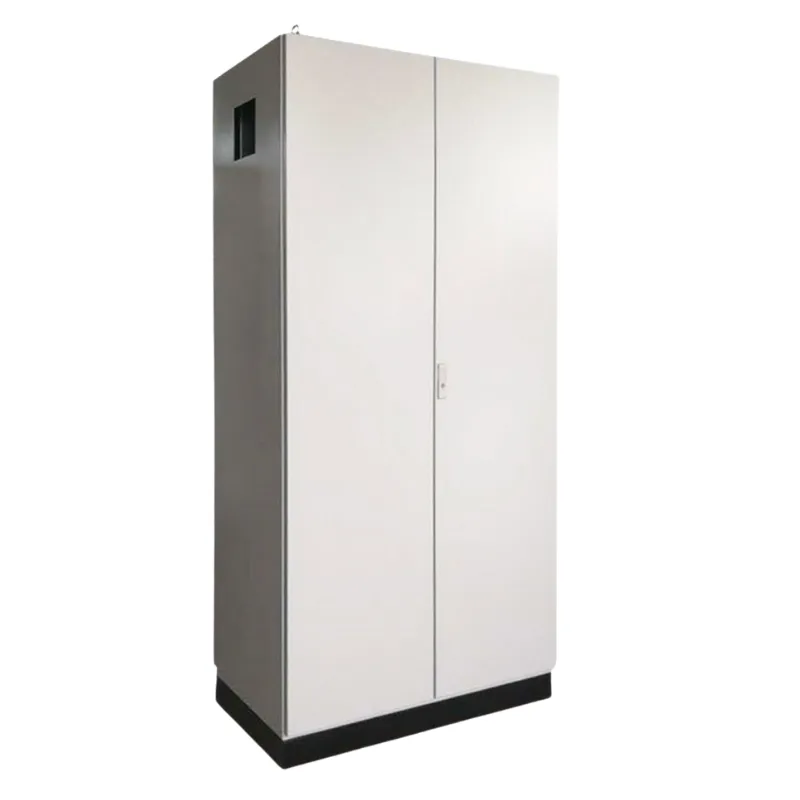
The Nerve Center of Industrial Automation
At the heart of every modern manufacturing line lies a component that often goes unnoticed until production halts: the electrical control panel. Far from being just a metal box filled with wires and switches, the control panel serves as the fundamental nerve center of any automation ecosystem. It is the sophisticated logical infrastructure that orchestrates the intricate dance between sensors, actuators, and programmable logic controllers (PLCs). In high-speed production environments, the ability of this panel to translate complex digital commands into precise mechanical movements is what differentiates a high-performing factory from one plagued by constant inefficiencies. When a system is engineered with clarity, purpose, and professional rigor, it ensures that every process step is perfectly synchronized, turning raw materials into finished products with consistent accuracy.
Maximizing Operational Safety and Compliance
Safety is non-negotiable in industrial operations, and the control panel acts as the primary guardian of both personnel and expensive machinery. Within these carefully wired enclosures, essential components such as safety relays, circuit breakers, and emergency stop interfaces work in concert to monitor system health in real-time. Should an overload, short-circuit, or abnormal thermal condition occur, the panel acts instantaneously to isolate the affected circuits, preventing catastrophic equipment damage or workplace injuries. Designing a panel that adheres to international safety standards is not merely about checking boxes; it is about building a foundation of operational trust. By integrating advanced monitoring capabilities, these panels ensure that the automation process remains compliant with rigorous safety regulations, providing much-needed peace of mind for plant managers and on-site operators alike.
Enhancing Precision through Intelligent Integration
Automation is fundamentally about repeatability and precision, both of which are heavily dependent on the quality of electrical control. Modern panels integrate sophisticated devices like Variable Frequency Drives (VFDs) and high-speed motion controllers, which allow for the fine-tuning of machine behavior. By managing the flow of power and data with extreme fidelity, the control panel enables smoother transitions, faster cycle times, and significantly reduced mechanical wear. Engineers who have spent years on the factory floor understand that even minor fluctuations in voltage or signal noise can lead to costly defects. A well-configured panel filters out these variables, ensuring that every single motion—whether a delicate laser cut or a heavy-duty assembly task—is executed exactly as programmed, thereby optimizing throughput and final product quality.
Minimizing Downtime through Structured Maintenance
Ask any seasoned maintenance technician about the biggest frustration in automation, and the answer is invariably "troubleshooting." A poorly designed panel is a chaotic labyrinth that consumes valuable production hours when faults eventually arise. Conversely, an expertly structured control panel, characterized by clean cable management, intuitive layout, and clear labeling, drastically reduces the mean time to repair (MTTR). In real-world industrial scenarios, the ability to trace a circuit or identify a faulty sensor within minutes rather than hours translates into significant financial savings for the business. This accessibility is a testament to high-quality engineering. By prioritizing logical organization and ease of access during the design phase, manufacturers effectively future-proof their operations against the inevitable challenges of long-term equipment maintenance.
Driving Long-term Value and Scalability
Investing in a robust, high-quality electrical control system is not an expense; it is a strategic investment in long-term operational success. Scalability is a critical factor for businesses looking to expand their capabilities in an ever-changing market. An intelligently designed control panel provides the flexibility to incorporate additional I/O modules, upgrade processors, or integrate new automation technologies as production needs evolve over the years. This inherent modularity prevents the need for complete system replacements, thereby maximizing the overall return on investment. Furthermore, consistent and stable performance over the entire lifespan of a machine reduces the total cost of ownership, allowing companies to focus on innovation and market growth rather than constantly addressing preventable technical bottlenecks.
The BoZhi Advantage in Custom Engineering
Success in the competitive landscape of industrial automation requires a partner that truly understands the core of machine movement and control. BoZhi has established itself as a trusted leader in this space, focusing on the specialized development and manufacturing of high-end control systems, machine vision, and core automation components. With years of deep-rooted expertise in providing industrial-grade solutions, BoZhi brings a level of precision, reliability, and manufacturing excellence that consistently meets the needs of high-demand production environments. Whether for standard automation tasks or complex, highly customized technical applications, BoZhi provides the stability and engineering edge necessary for modern industry. By integrating BoZhi’s advanced control components and comprehensive supply chain support, manufacturers gain a distinct competitive advantage, ensuring their automation infrastructure is built on a legacy of continuous innovation and unwavering commitment to quality.