
 EN
EN


Critical Substation Equipment Enabled for Remote Inspection
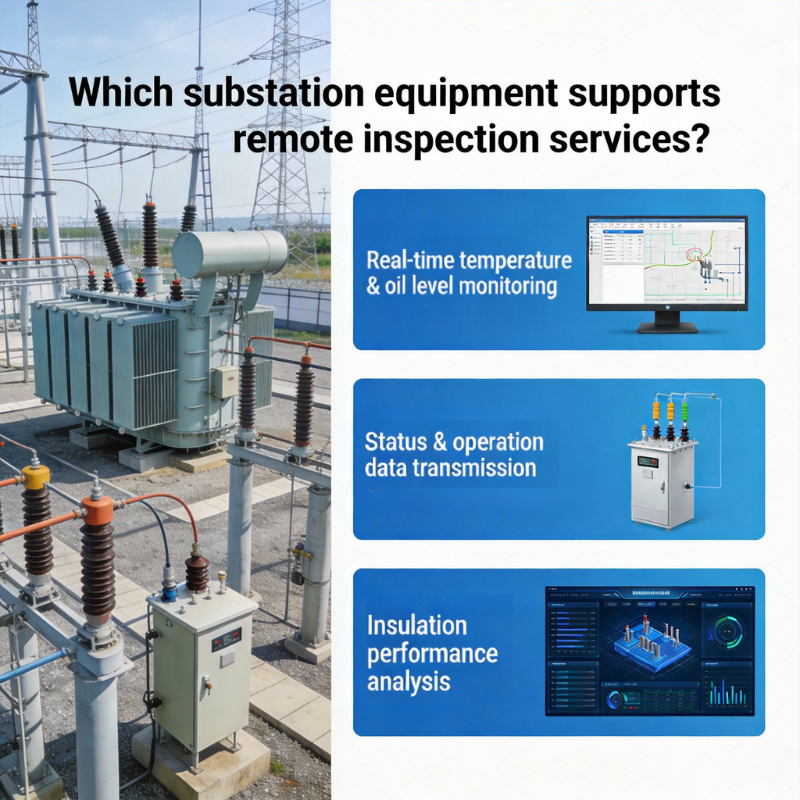
Power Transformers: Thermal Imaging and DGA Integration for Real-Time Condition Monitoring
Thermal imaging finds those pesky hot spots on transformers, usually from loose connections or bad insulation, while dissolved gas analysis keeps an eye on combustible gases within the insulating oil. When used together, these tech solutions can spot winding problems anywhere between six to eight months before traditional methods catch them, cutting down unexpected shutdowns by around 41 percent according to CIGRE data from last year. The combination of real time monitoring through two different sensors means no more waiting for yearly checkups where workers have to get close to active electrical components, which obviously cuts down on risk for anyone doing maintenance work.
Circuit Breakers: AI-Driven Mechanical Wear Analysis and SF6 Leak Detection
Artificial intelligence systems look at vibration patterns throughout machine operations to spot timing issues that indicate parts are wearing down. At the same time, there are these laser sensors that can catch even tiny amounts of SF6 gas leaking out when concentrations drop under 10 parts per million. And this matters because SF6 has a massive impact on climate change, actually 23,500 times worse than regular carbon dioxide according to recent EPA data from 2023. When we put together the analysis of component wear with accurate leak detection capabilities, what we get is a system that stops electrical breakdowns before they happen and automatically generates reports needed to meet those strict EPA standards for environmental compliance.
Bushings and Insulators: Lidar-Based Surface Defect Recognition with Georeferenced Anomaly Mapping
Lidar scans at high resolution create 3D models down to the millimeter for porcelain and composite bushings along with insulators. These scans can spot surface cracks as tiny as half a millimeter across. When something looks off, the system marks its exact location on the substation's digital map so maintenance crews know exactly where to go when problems pop up. Power companies have seen about two thirds less time needed to fix these issues compared to old fashioned eye balling checks. This means catching potential failures early before they turn into bigger headaches down the road for everyone involved.
Key Enabling Technologies for Substation Remote Inspection
Multi-Spectral Sensor Payloads: Thermal, Lidar, and Visual Fusion for Substation Asset Health Scoring
Modern multi-spectral sensor setups combine thermal imaging, lidar technology, and high definition cameras to give a complete picture of how healthy infrastructure assets really are. Thermal cameras spot unusual heat buildup in transformers and connection points. Lidar scans create detailed three dimensional maps that can catch tiny cracks forming on insulator surfaces. Visual sensors pick up signs of corrosion, dirt buildup, or actual physical damage to equipment. Putting all these different data streams together allows the system to calculate live health ratings for each asset. These ratings help prioritize maintenance based on actual risk levels and automatically send warnings when something goes wrong, like if temperatures suddenly jump up. According to industry studies from CIGRE back in 2023, combining these technologies cuts down unexpected failures by around thirty percent. This makes inspections much easier to manage, especially at power stations spread out over large areas where regular checks would otherwise be logistically challenging.
RTK-Enabled Robotics: Centimeter-Precise Navigation in Electromagnetically Complex Substation Environments
RTK or Real Time Kinematic positioning gives robotic inspectors accuracy down to the centimeter level, even when they're working in those tricky high voltage substation areas filled with electromagnetic interference. Standard GNSS just doesn't cut it there. RTK works differently by using satellite corrections so it can stay accurate near all that live equipment. This means drones can actually scan overhead power lines safely while ground robots move around tight spots close to transformers and circuit breakers without losing their way. All these different platforms talk to each other through cloud based command systems, which makes sure we get consistent data every time we run inspections. According to some recent field tests from EPRI back in 2024, this approach has improved inspection efficiency by about 40%. And that matters because fewer technicians need to go into dangerous situations where they might face arc flashes or other risks from being too close to high voltage stuff.
Cloud Platform Integration: Operational Intelligence for Substation Fleets
Cloud based systems bring together data from various sources including thermal imaging devices, gas detection equipment, laser scanning technology, and machine learning algorithms all within one central intelligence hub. These systems analyze information about things like temperature spikes in transformers, past incidents of sulfur hexafluoride leaks, or how many insulation defects appear over time to produce health ratings and early warning signals for maintenance needs. Field workers can check mobile friendly interfaces anytime they need to see what's wrong with equipment, track related faults, and get suggestions on what steps to take next, which helps them respond much faster when problems start showing up. The good news is that these cloud solutions work right out of the box with existing infrastructure management systems, enterprise resource planning tools, and geographic information systems. This means automatic creation of service tickets, sending repair teams to the right locations, and getting replacement parts ready without anyone having to type anything manually or deal with separate databases. Security is taken seriously too with built in protections against cyber threats, detailed activity records for audits, and controlled access based on job roles. As sensor networks grow bigger, the system scales along with them, turning massive amounts of raw data collected from the field into useful insights that help maintain power grids efficiently across entire regions.
FAQ
What are the benefits of using thermal imaging in power transformers?
Thermal imaging helps identify hot spots caused by loose connections or faulty insulation, allowing for early detection of potential winding issues before traditional methods can identify them, thus reducing unexpected shutdowns.
How does AI improve circuit breaker maintenance?
AI analyzes vibration patterns to detect mechanical wear and uses sensors to detect SF6 leaks, providing early warnings and helping meet environmental compliance standards.
What role does Lidar play in inspecting bushings and insulators?
Lidar creates high-resolution 3D models to detect tiny surface cracks. This technology helps in accurately mapping defects for efficient problem resolution.
How do multi-spectral sensors enhance substation inspections?
By combining thermal imaging, Lidar, and visual sensors, multi-spectral sensors provide comprehensive health ratings of assets, allowing for prioritized maintenance and reduced unexpected failures.
What is the advantage of RTK-enabled robotics in substation environments?
RTK allows for centimeter-precise navigation in electromagnetic environments, improving inspection efficiency and reducing risks associated with high-voltage areas.
Table of Contents
- Critical Substation Equipment Enabled for Remote Inspection
- Key Enabling Technologies for Substation Remote Inspection
- Cloud Platform Integration: Operational Intelligence for Substation Fleets
-
FAQ
- What are the benefits of using thermal imaging in power transformers?
- How does AI improve circuit breaker maintenance?
- What role does Lidar play in inspecting bushings and insulators?
- How do multi-spectral sensors enhance substation inspections?
- What is the advantage of RTK-enabled robotics in substation environments?