
 EN
EN



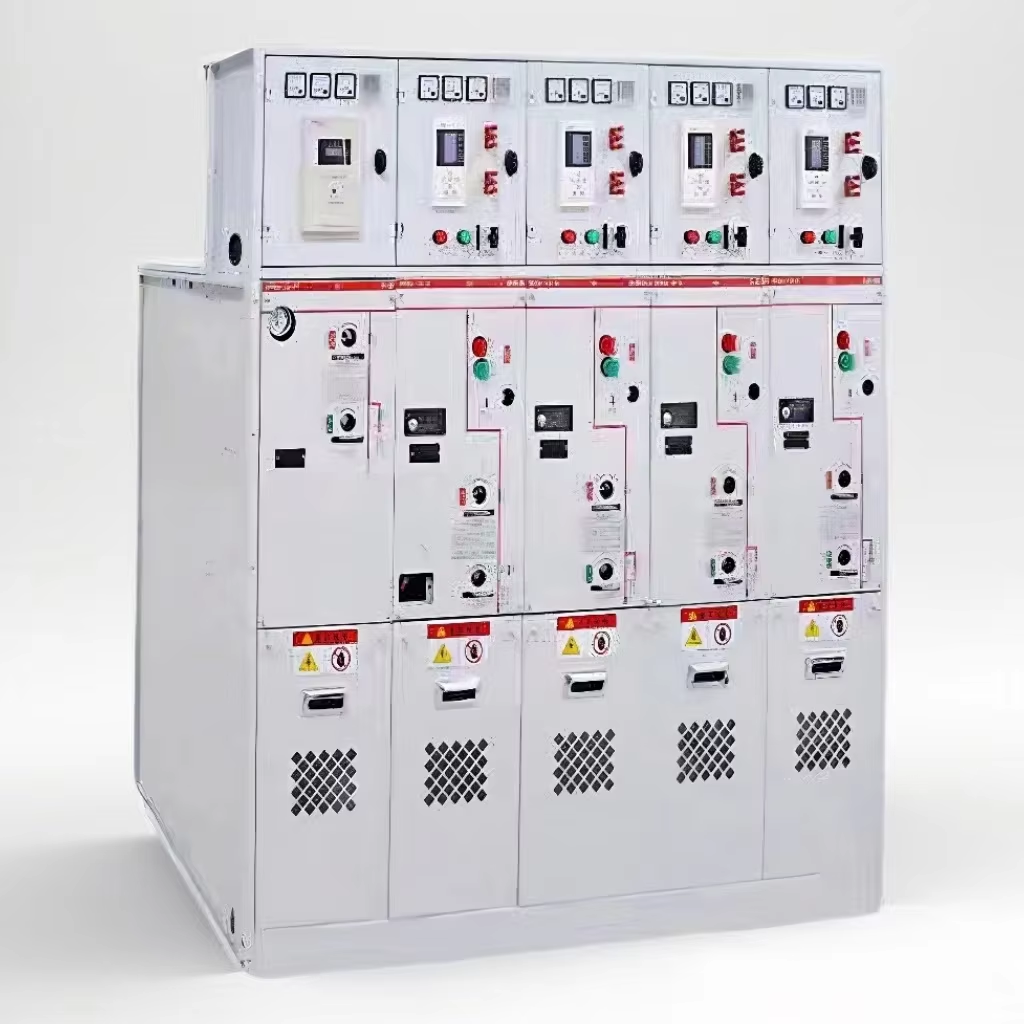
The Critical Role of Ring Main Units in Urban Power Distribution
In the rapidly densifying landscape of modern urban centers, the reliability of electrical distribution is non-negotiable. Ring Main Units (RMUs) have become the go-to solution for underground distribution networks, offering a compact, sealed, and maintenance-free way to manage power in space-constrained environments. These units function as the primary switching nodes in a ring network, providing the flexibility to isolate faults without interrupting service to the entire grid. For municipal engineers and utility contractors, the installation of an RMU is a high-stakes task that requires both technical precision and a deep understanding of urban infrastructure challenges. A well-installed RMU not only ensures consistent power delivery to critical infrastructure but also serves as a robust guard against the complex faults that plague dense urban grids.
Pre-Installation Planning and Site Assessment
Before a single bolt is turned, the success of an RMU installation is largely determined in the planning phase. Urban power grids are notoriously complex, often buried alongside gas, water, and telecommunications infrastructure. A comprehensive site assessment is the first technical barrier to overcome. Engineers must meticulously review underground mapping to ensure the chosen location provides adequate clearance for cable termination and future maintenance access. Furthermore, the foundation design must account for local soil conditions, groundwater levels, and potential environmental exposure. Experience has shown that failing to account for these seemingly minor details often leads to long-term alignment issues or moisture ingress. By conducting a detailed environmental scan and ensuring that the designated site meets the specific ventilation and structural requirements of the RMU model, teams can prevent the costly "re-work" that frequently delays urban utility projects.
Technical Best Practices for Installation
When it comes to the physical installation, precision is the only standard. RMUs are sealed, gas-insulated systems, and any damage during transit or placement can compromise the integrity of the enclosure. Technicians must use specialized lifting gear to ensure the unit is balanced and lowered into position without mechanical stress. Once the unit is secured, the focus shifts to cable termination—the most sensitive step in the process. Improper cable stress relief or poorly crimped connections are the leading causes of early-life failures in urban switchgear. Following the manufacturer’s torque specifications for every connection, ensuring that all cable screens are properly grounded at a single, clean earth point, and maintaining absolute cleanliness during the termination process are mandatory practices. These steps, while time-consuming, are the fundamental difference between a system that runs for thirty years and one that fails after three.
Testing and Commissioning Procedures
The final step before energizing any RMU is a rigorous commissioning protocol. This process is not just a checkbox activity; it is the final verification of the system's electrical and mechanical health. Standard procedures include insulation resistance testing (megger testing) of the main circuit, contact resistance measurement, and functional testing of the protection relays. In urban grids, where power quality and stability are paramount, it is also recommended to perform a thorough dielectric strength test to ensure that the gas insulation has not been compromised during shipment. Any deviation in these readings should be treated as a red flag. A transparent commissioning report, signed off by qualified personnel, serves as the baseline performance document for the asset's entire lifecycle, ensuring that the utility operator has full confidence in the unit before it joins the live grid.
Maintenance and Long-Term Reliability
Once an RMU is installed and commissioned, the focus shifts to maintaining its operational life. While modern, gas-insulated RMUs are often labeled as "maintenance-free," they are not "care-free." Regular visual inspections are vital for detecting early signs of environmental stress, such as corrosion on external hardware, signs of pest ingress, or the accumulation of debris in the ventilation passages. In urban environments, temperature fluctuations and high humidity can accelerate material fatigue. By implementing a proactive inspection schedule that focuses on connection points and auxiliary sensors, operators can catch issues before they manifest as network-wide power outages. Data-driven maintenance, where operational logs are regularly audited, allows for a more predictive approach to asset management, ensuring that the RMU remains a reliable node in the grid for decades to come.
Excellence in Manufacturing and Custom Solutions
The reliability of a Ring Main Unit is entirely dependent on the quality of its design, the purity of its materials, and the precision of its assembly. Any compromise in the manufacturing process can lead to catastrophic failure in the field. BoZhi has established itself as an industry leader by prioritizing the technical integrity of every power distribution solution it delivers. Through high-end component sourcing, state-of-the-art gas-sealing technology, and exhaustive factory testing, BoZhi provides RMU solutions that are specifically tailored to the unique, high-density requirements of modern urban power grids. With a deep commitment to durability, thermal regulation, and comprehensive technical documentation, BoZhi ensures that every piece of infrastructure is not just functional, but built for long-term safety and peak performance. Partnering with a manufacturer that understands the nuances of urban electrical physics is the most effective strategy for building a power backbone that stands the test of time and complexity.