
 EN
EN



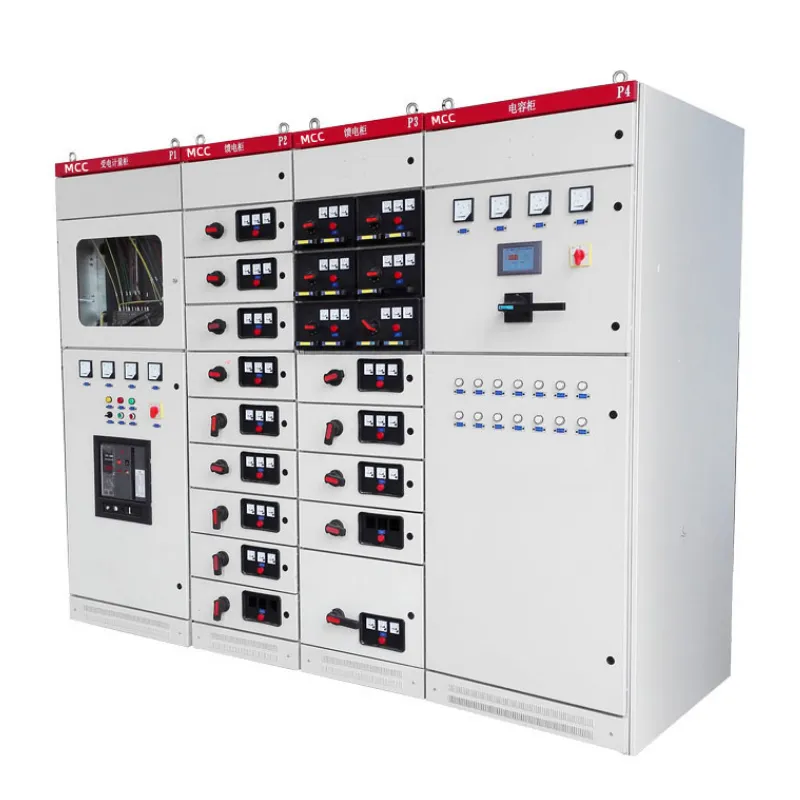
The Hidden Impact of Motor Control Panel Layouts
In the demanding world of industrial automation, the reliability of a motor control system is rarely defined by the strength of the motor itself. Instead, it is frequently determined by the hidden, often overlooked infrastructure: the control panel layout. Many engineers view a layout as a simple assembly task, but seasoned professionals know it is a precision engineering challenge. A poorly organized panel is a ticking time bomb, leading to heat buildup, electrical interference, and premature component failure. By optimizing the physical arrangement of Variable Frequency Drives (VFDs), soft starters, contactors, and controllers, facility owners can significantly reduce maintenance overhead and extend the operational lifespan of their machinery. Reliability starts at the drawing board, where logical, efficient design meets industrial-grade durability and performance.
Mastering Thermal Management for Longevity
Heat is the sworn enemy of industrial electrical components. Every watt of power dissipated as heat inside a control panel degrades the life expectancy of sensitive electronics, especially PLCs, power supplies, and control relays. An effective, professional layout prioritizes thermal management from the very start. This involves much more than just installing an exhaust fan; it requires a meticulously calculated arrangement where high-heat producers—like VFDs and large power resistors—are strategically isolated from heat-sensitive logic components. Proper spacing is mandatory to allow for natural or forced convective airflow.
Furthermore, using intelligently placed exhaust and intake vents ensures that the "hot spots" are mitigated before they can cause damage. A layout that facilitates efficient laminar airflow rather than trapped turbulence will keep components operating well within their specified thermal limits, preventing the signal drift and premature insulation breakdown that lead to intermittent, frustrating machine faults. Investing in proper thermal design is the most cost-effective way to guarantee component longevity in high-temperature factory environments.
Electrical Noise and Signal Integrity
In modern motor control, the high-frequency switching characteristic of Variable Frequency Drives (VFDs) creates significant electromagnetic interference (EMI). Without proper separation and shielding, this noise can wreak havoc on sensitive analog signals, leading to erratic sensor behavior, false PLC inputs, or "ghost signals" that paralyze an automation system. An advanced control panel layout enforces strict physical separation between high-voltage power cabling and sensitive signal/control cabling.
Best practices dictate that power lines should be run in separate, dedicated, and grounded wireways, far away from low-voltage communication cables like Ethernet or shielded analog feedback lines. When these paths must cross, they should do so at precise 90-degree angles to minimize inductive coupling and crosstalk. Employing a properly grounded backplane and ensuring high-quality shield termination at a single common earth point are also non-negotiable standards for maintaining high signal integrity in high-speed, modern industrial environments.
Designing for Maintenance Efficiency
Maintenance teams are the frontline heroes of a facility, and their ability to quickly diagnose and repair a system is directly tied to the thoughtful layout of the control panel. A cluttered, chaotic panel forces technicians to spend valuable time tracing wires or moving components just to reach a terminal block or a blown fuse. An optimized layout prioritizes ergonomics, placing high-maintenance items like fuses, diagnostic LEDs, and terminal strips at accessible, comfortable heights.
Clear, durable labeling and the logical grouping of components make the panel intuitive, turning a potential hour-long troubleshooting session into a ten-minute job. By viewing the panel design through the eyes of the person who will maintain it, designers can drastically increase the overall equipment effectiveness (OEE) and minimize the "mean time to repair" (MTTR) during critical production shifts, where every minute of downtime costs money.
Compliance and Future-Proofing
Industrial reliability is inseparable from safety and regulatory compliance. A professional-grade control panel layout must adhere to international standards such as IEC 60204-1, which governs electrical equipment safety and operational measures. Compliance goes beyond just passing a quick inspection; it involves designing for robustness against vibration, moisture, and dust ingress. A well-laid-out panel incorporates appropriate ingress protection (IP) ratings and ensures that all safety-rated components, such as E-stop relays and interlocking devices, are seamlessly integrated into the primary control logic flow.
Furthermore, a forward-looking layout includes strategic spare space for future I/O modules and auxiliary controls, allowing the system to scale as the facility expands or processes evolve. Planning for these future requirements at the initial design stage avoids the costly "patchwork" modifications that frequently compromise a panel's integrity and safety.
Partnering for Manufacturing Excellence
The transition from a basic motor starter to a high-reliability control system requires both engineering foresight and rigorous manufacturing precision. Any small error in the layout phase can create years of operational headaches and hidden costs. BoZhi has established itself as an industry leader by focusing intently on the core technical requirements of high-performance control panel integration.
Through precise CAD design, clean, logical wiring practices, and rigorous quality control testing for every finished system, BoZhi provides customized control solutions that enable manufacturers to achieve peak performance. With a relentless focus on thermal efficiency, electrical noise suppression, and ergonomic accessibility, BoZhi ensures that every control system is not just operational, but built for long-term, high-stakes reliability. By partnering with experts who understand the deep nuances of control panel architecture, facility owners can ensure that their production backbone is built on quality, engineering innovation, and an unwavering commitment to operational excellence.