
 EN
EN



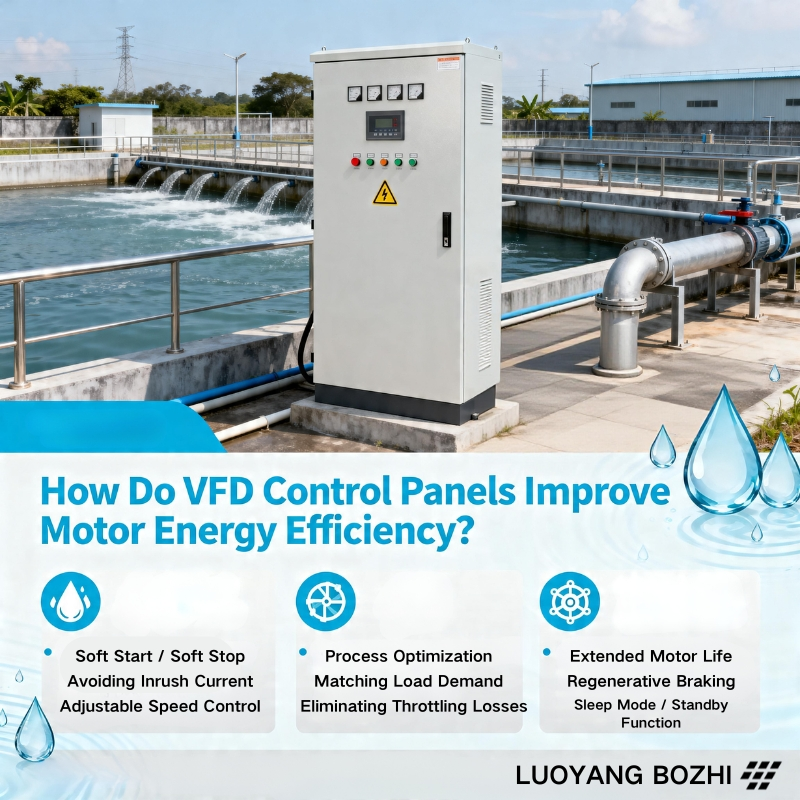
ኤሌክትሪክ ሞተሮች በኢንዱስትሪው ውስጥ የሚሰሩ አስፈላጊ መሳሪያዎች ናቸው — በአጠቃላይ የሁሉም ኤሌክትሪክ ኢነርጂ ጥቅም በ70% ይወስዳሉ በማኅበረሰብ እና በፕሮሰስ የሚሰሩ ተቋማት ውስጥ። ሆኖም ይህ ኢነርጂ በቋሚ ፍጥነት ሲሰሩ ሞተሮች በ valve ወይም damper በመጠቀም የፈሳሽ ፍሰት በማቆጣጠር የሚጠፋ ትልቅ ክፍል ነው፣ በተቻለ መጠን ፍጥነቱን የሚፈልጉትን ጥቅም ላይ ለማዋል የማይቻል ነው።
ይህ ነው የሚፈለገው ቦታ VFD ቁጥጥር ፓነሎች (የተለያየ ድግግሞሽ ዲራይቭ ቁጥጥር ፓነሎች) ይገባሉ። በሞተር ፍጥነት በስራ ላይ የሚሰራ በስራ ላይ የሚሰራ በስራ ላይ የሚሰራ በስራ ላይ የሚሰራ በስራ ላይ የሚሰራ በስራ ላይ የሚሰራ በስራ ላይ የሚሰራ በስራ ላይ የሚሰራ በስራ ላይ የሚሰራ በስራ ላይ የሚሰራ በስራ ላይ የሚሰራ በስራ ላይ የሚሰራ በስራ ላይ የሚሰራ በስራ ላይ የሚሰራ በስራ ላይ የሚሰራ በስራ ላይ የሚሰራ በስራ ላይ የሚሰራ በስራ ላይ የሚሰራ በስራ ላይ የሚሰራ በስራ ላይ የሚሰራ በስራ ላይ የሚሰራ በስራ ላይ የሚሰራ በስራ ላይ የሚሰራ በስራ ላይ የሚሰራ በስራ ላይ የሚሰራ በስራ ላይ የሚሰራ በስራ ላይ የሚሰራ በስራ ላይ የሚሰራ በስራ ላይ የሚሰራ በስራ ላይ የሚሰራ በስራ ላይ የሚሰራ በስራ ላይ የሚሰራ በስራ ላይ የሚሰራ በስራ ላይ የሚሰራ በስራ ላይ የሚ...... 20% እስከ 60% — በአብዛኛው ጊዜ የተመለስ ጊዜ (payback period) በ12 ወር ውስጥ ነው።
እንዲሁም ትክክለኛው እንዴት ነው የቪኤፍዲ ቁጥጥር ፓነል እነዚህን ማዳን ያሳድራል? እንደ ሙሉ የኢንዱስትሪያል ቁጥጥር መፍትሄ የሚሰጠው አገልግሎት ሰጪ በየተለየ የቪኤፍዲ ፓነል ውስጥ የሚገኙትን አምስቱ የኃይል በረከት ሂደቶች ማብራሪያ እንሰጣለን።
1. የተቆጣጠሩ ክስተቶችን ማስወገድ (የአፊኒቲ ሕግ)
በጣም ታላቅ የኃይል በረከት በሴንትሪፉጌል ፓምፕ፣ ፋኖች እና ቢሎዎሮች ላይ የአፊኒቲ ሕጎችን መተግበር ከመገኘቱ ይመጣል — እነዚህ የኢንዱስትሪያል ሞተር ጭነቶች ከፍተኛ ክፍል ናቸው። የአፊኒቲ ሕግ ሴንትሪፉጌል ጭነቶች ላይ ይህን ይናገራል፡
ሴንትሪፉጌል ጭነቶች ላይ የአፊኒቲ ሕግ ይህን ይናገራል፡
ወቅታዊ ሂደት ∝ ፍጥነት
ጥንት ∝ ፍጥነት²
ኃይል ∝ ፍጥነት³
በተግባር የሚያሳየው ምንድን ነው፡
ሞተር ፍጥነትን በቀላሉ 20% ማቀናሰስ (ከ100% ወደ 80%) ስልጣን ፍጆታን በአካባቢ ይቀንሳል 50%(0.8³ = 0.512)።
ችግሩ ያለው ዘዴ (ያልተሳካ ዘዴ):
ሞተሩ በ100% ፍጥነት ይሠራል → ቱቦ ወይም ዳምፐር በከፍተኛ መጠን ይዝጋል ጥቅም ላይ የሚውለውን ፍሰት ለመቀነስ → ሞተሩ እስካሁን በሙሉ የሚያገኝ ስልጣን ይቀበላል፣ ስልጣኑ እንደ ሙቀት፣ ግፊት መቀነስ እና ማዳመጥ ይፈሳል።
VFD ዘዴ (ተሳካ ዘዴ):
VFD ቁጥጥር ፔነል ሞተር ፍጥነቱን ወደ 80% ያቀንሳል → ፍሰቱ የሚፈለገውን ይሟላል → ስልጣን ፍጆታ በከፍተኛ መጠን በ50% ይቀንሳል → የማያቆረጠ ኃይል እንዳልተጠቀመ ተገልጿል .
በእውነተኛ ሕይወት ውስጥ ያለው ምሳሌ: የ100 HP ማቀዝቀዣ ማማ ማራገቢያ በቀን 24/7 በተቀነሰ የሌሊት ፍሰት የሚሰራ ሲሆን በዓመት ከ20,000 ዶላር በላይ የኤሌክትሪክ ኃይል መቆጠብ ይችላል - ይህም የVFD መቆጣጠሪያ ፓነል ወጪን በወራት ውስጥ ለመሸፈን በቂ ነው።
2. ከፍተኛ የግቤት የአሁኑ እና የበለጠ የተሰጠ የተከፋፈለ የፀረ-ተጨማሪ የተከፋፈለ የተከፋፈለ የተከፋፈለ የተከፋፈለ የተከፋፈለ የተከፋፈለ የተከፋፈለ የተከፋፈለ የተከፋፈለ የተከፋፈለ የተከፋፈለ የተከፋፈለ የተከፋፈለ የተከፋፈለ የተከፋፈለ የተከፋፈለ የተከፋፈለ የተከፋፈለ የተከፋፈለ የተከፋፈለ የተከፋፈለ የተከፋፈለ የተከፋፈለ የተከፋፈለ የተከፋፈለ የተከፋፈለ የተከፋፈለ የተከፋፈለ የተከፋፈለ የተከፋፈለ የተከፋፈለ የተከፋፈለ የተከፋፈለ የተከፋፈለ የተከፋፈለ የተከፋፈለ የተከፋፈለ የተከፋፈለ የተከፋፈለ የተከፋፈለ የተከፋፈለ የተከፋፈለ የተከፋፈለ የተከፋፈለ የተከፋፈለ የተከፋፈለ የተከፋፈለ የተከፋፈለ የተከፋፈለ የተከፋፈለ የተከፋፈለ የተከፋፈለ የተከፋፈለ የተከፋፈለ የተከፋፈለ የተከፋፈለ የተከፋፈ......
ቪኤፍዲ የሌለበት ጊዜ ሞተሮች የሚሳባው የሙሉ-ጭነት የአሁኑ 6–10 ጊዜ በቀጥታ በመስመር ላይ (DOL) መጀመሪያ ላይ። ይህ ትልቅ የግቤት የአሁኑ ብቻ የኤሌክትሪክ አውታረመረብ ሳይሆን ኢንጂነሮችንም የተጨማሪ የተሰጠ ትራንስፎርመር፣ ካብሎች እና የእርዳታ መሳሪያዎች ማድረግ ያደርጋል — ይህም በተለዋዋጭ አገልግሎት ውስጥ የስርዓቱ ነፃ ክስተቶችን እንዲጨምሩ ያደርጋል።
ቪኤፍዲ የተቆጣጠር ፓነሎች የቀላል መጀመሪያ ይሰጣሉ፡
ሞተር ከ0 ሄርዝ እስከ የተዘጋጀው ፍጥነት በቀላሉ ይጨምራል
የመጀመሪያ የአሁኑ የተገደበ ነው የሙሉ-ጭነት የአሁኑ 100–150% (ለማለትም 600–1000%)
ምንም ሙቀት በስተዋጋጅ አይነበብም፣ ምንም የቮልቴጅ መውረድ አይኖርም፣ ምንም ትልቅ የፋብሪካ መሣያ መሳሪያዎች አይኖሩም
የሞተር ፓኔሎች በመጠቀም ሞተሮች በትክክል ለሚሰራው ጭነት (ለማስጀመር የሚያስፈልገው የአሁኑ አይደለም) የሚቆጠሩ በመሆኑ ትልቅ የግንባታ አቅርቦት የኢነርጂ ክፍያ አይፈጥሩም።
3. በመንبع የኃይል አቀማመጥ ትክክለኛ መስራት
የተለመዱ የኢንዳክሽን ሞተሮች በከፍተኛ የጭነት ክፍል የሚሰሩ ሲሆኑ የኃይል አቀማመጥ ያላቸው ነው የታች የኃይል አቀማመጥ (PF) — በተለምዶ 0.4 እስከ 0.7 ድረስ። ዝቅተኛ የኃይል አቀማመጥ የተቃራኒ የአሁኑን ይጨምራል፣ ይህም የካብሎችንና የትራንስፎርመሮችን ይሙቀታል የተጠቀመው አይደለም፣ ይህም የኤሌክትሪክ አቅርቦት ኩባንያ የክፍያ ጥያቄ ያስከትላል (ብዙ ኤሌክትሪክ አቅርቦት ኩባንያዎች የኃይል አቀማመጥ ከ0.95 በታች ከሆነ ተጨማሪ ይከፍላሉ)።
እንዴ የቪኤፍዲዎች የኃይል አቀማመጥን ያሻሽላሉ፡
የቪኤፍዲዎች የፊት ክፍል ዲዮድ ቦርድ ወይም አክቲቭ ሬክቲፋየር በመጠቀም የአሁኑን ይሳባሉ በቮልቴጅ ጊዜ በጣም ቅርብ በሆነ የፋዘ ሁኔታ
የቪኤፍዲ ቴክኒካል ተቆጣጣሪ ፓኔል ወደ አቅርቦቱ በጣም ቅርብ የአንድነት የኃይል አቀማመጥ (0.96 እስከ 0.99) ያቀርባል
የሞተሮች ወደ VFDs የተገናኙ አሁን በቀጥታ ከመስመሩ ጋር አይገጠማም — የእነዚህ የሞተሮች ያለው ዝቅተኛ የኃይል አቀማመጥ (PF) የተከለለ ነው atrás የዲራይቭ
ውጤት: የብዙ የVFD ቁጥጥር ፓነሎች ያሉት የፋብሪካ መስክ የተለየ የኃይል አቀማመጥ (PF) የትክክል የሚሰራ ካፒታሮችን ማስወገድ ይችላል እና የኤሌክትሪክ አቅርቦት ተቋማት በተጨማሪ የሚያስከፍሉ ክፍያዎችን ማስወገድ ይችላል — ይህም የኃይል ወጪን በሌላ 3–8% ያቀንሳል።
4. የሞተር ፍጥነት ከአስተዳደራዊ ጥያቄ ጋር መዛመድ (የፕሮሰስ ኦፕቲማይዜሽን)
ብዙ የኢንዱስትሪ ፕሮሰሶች — ኮንቬዮር፣ ሚክሰር፣ ኤክስትሩደር፣ ኮምፕሬሰር — የተወሰነ ፍጥነት አያስፈልጉም። ሆኖም የተወሰነ ፍጥነት ያላቸው የሞተሮች በሙሉ ይሰራሉ፣ እና በበርካታ ሃይል እንደ ሙቀት፣ ድምጽ ወይም የሜካኒካል ማሽነሪ ማጠናከር ይበረከታል።
የVFD ቁጥጥር ፓነሎች ይፈቅዳሉ የዝግጅት ውስጣዊ ፍጥነት ቁጥጥር በሴንሰሮች አጠቃቀም:
በፓምፕ የውጭ መውጣት ላይ የሚገኘው የግፊት ትራንስሚተር → የቪኤፍዲ በትክክል የተለየ የግፊት አቀማመጥ ይከተላል (በላ excess ፓምፕ አያደርግም)
የኤችቪኤሲ ዲዩክት ውስጥ የአየር ፍሰት ሳንሰር → VFD ፋን በተፈለገው የካብሪክ የፍሰት መጠን (CFM) ለማስቀመጥ ወደ ላይ ወይም ወደ ታች ያስቀምጣል
የታንክ ውስጥ የውሃ ደረጃ ሳንሰር → VFD ፓምፕ ፍጥነቱን ይስተካከላል እንዲሁም ደረጃው ቋሚ ይቆያል
በማቅረብ በትክክል የሚያስፈልገውን ኃይል — አይበዛም፣ አያነሰም — VFD ፓነሎች በ“ሙሉ በክፍል ማስናቀድ እና በጨመረው ኃይል መጠቀም” የሚከሰተውን ያለመተግበር ያስወግዳሉ
5. የሜካኒካል እና የኤሌክትሪካል ነፃ ክስተቶችን መቀነስ
የኢነርጂ ቅንጅት በቂ የኤሌክትሪስቲ ማቆሚያ ብቻ አይደለም — የጠቅላላ ነፃ ክስተቶችን መቀነስ ነው:
|
የኪሳራ ዓይነት |
የተወሰነ ፍጥነት (DOL) |
የቪኤፍዲ ቁጥጥር ፕነል |
|
የሞተር ስሊፕ ነፃ ክስተቶች |
በዝቅተኛ ጭነት ላይ ከፍ ያለ |
በተመረጠው V/Hz በኩል የሚቀንስ |
|
የሃርሞኒክ እጥረት (በሞተር ውስጥ) |
N/A (ያለ ሃርሞኒክ) |
ዝቅተኛ (3% ወይም 5% መስመር ሬአክተሮች/ፊልተሮች ተጠቀምሎ) |
|
የብእር/የጎርድ እጥረት (ከገጽታዊ ፍጥነት መቀነስ ከሰው የሚከናወን) |
ከፍ ያለ (የገጽታዊ መቀነስ ሁልጊዜ ኢነርጂ ይጠፋል) |
ተሰርዷል (ቀጥታ የሚሰራ በተለዋጭ ፍጥነት) |
|
የብሬኪንግ እጥረት |
የተደጋጋይ የገጽታዊ ብሬኪንግ ኢነርጂ ይጠፋል |
የእንደገና ማቅረብ ችሎታ (በአማራጭ) የኃይል እንደገና ወደ መስመሩ ይመልሳል |
የዘመናዊ ቪኤፍዲ ቁጥጥር ፓネል እንዲሁም የሚከተሉትን ያካትታል የኤነርጂ ኦፕቲማይዜሽን አልጎሪዝሞች (ለምሳሌ፣ “ኤነርጂ ማዳን” ሁነታ) የሚያስተካክሉ በራስ-ሰር የቮልቴጅ ምድር ከብዛት ጋር በማጣመር በቀላል በረውስ ላይ የሞተር ዋና ነዳጅ እንዳይጨምር ያደርጋል።
የመቆጠሪያ ትንታኔ፡ የሂሳብ ምሳሌ
አጠቃላይ: 75 ኪዎዋት (100 ኤችፒ) ሰንትሪፉጋል ውሃ ጫማ በዓመት 6,000 ሰዓታት የሚሰራ
የኤሌክትሪክ ዋጋ፡ $0.12 በእያንዳንዱ ኪሎዋት ሰዓት
የአማካኝ ፍሰት ጥያቄ፡ የተሰጠው ፍሰት 70% ነው።
|
አስተሳሰብ |
የሞተር ፍጥነት |
ተጫዋይ አገልግሎት |
የአመት የኤነርጂ ወጪ |
|
የተቆጣጠረ ተርሚናል ቫልቭ (ተስማሚ ፍጥነት) |
100% |
75 ኪዎዋት × 6,000 ሰዓታት = 450,000 ኪሎዎአት-ሰዓት |
$54,000 |
|
VFD የመቆጣጠሪያ ፓネል (የተለያየ ፍጥነት) |
70% (70% ፍሰት → 0.7³ = 0.343 የኃይል አንድነት) |
75 ኪዎዋት × 0.343 × 6,000 ሰዓታት = 154,350 ኪሎዎአት-ሰዓት |
$18,522 |
|
የዓመተ ጽናት ትእዛዝ |
|
295,650 ኪሎዎአት-ሰዓት |
$35,478 |
የተለመደው የVFD የመቆጣጠሪያ ፓነል ላይ የተመሰረተ የተመለስ ጊዜ (ከካሬ አካል፣ በፓስ እና ከማስተዳደር ጋር): 6–12 ወራት።
ከኃይል መቆሻ በላይ: የተጨማሪ የVFD የመቆጣጠሪያ ፓነል ጥቅሞች
እንዲሁም የኃይል ችሎታ የበለጠ በፍጥነት የሚገለጽ ቢሆንም፣ የVFD የመቆጣጠሪያ ፓነሎች የሚከተሉትን ይሰጣሉ:
ቀላል የሜካኒካል ጭንቀት: አይነዱ በፍጥነት የሚጀምሩ ወይም የሚቆሙ → ረጅም የሞተር እና የተገናኘው መሣሪያ ዕድሜ.
የተለያዩ አቀፍ አጠቃላይነት: በቢያርዶች፣ በብእርቶች እና በኮፕሊንግ ላይ ያነሰ የማሽነት ሁኔታ.
ተሻለ የፕሮሰስ ቁጥጥር: የተረጋጋ የፍጥነት መጨመር፣ ትክክለኛ የፍጥነት መያዝ.
የማስረጃ ግዴታ: ISO 50001 ወይም የአካባቢ የኢነርጂ ቅልጥፍና የሚያስፈልጋቸውን የሕግ ቅደም ተከተሎች ማሟላት.
በኤነርጂ-ቅልጥፍና ያለው ቪኤፍዲ ቁጥጥር ፓነል ውስጥ ምን ማግኘት ይኖርብዎታል
በሙሉ የቁጥጥር ካቢኔት መፍትሄ የሚሰጥ አገልግሎት የሚሰጣችሁ በመሆኑ፣ እኛ እያንዳንዱን የቪኤፍዲ ቁጥጥር ፓነል እንደሚከተለው ያካትታለን:
✅ ትክክለኛ መጠን ያለው ቪኤፍዲ (በተጨማሪ መጠን ስለማይሆን የድራቲንግ ችግሮችን ለመከላከል)
✅ የግቤት መስመር ሬአክተር ወይም ዲሲ ቻኽ (ሃርሞኒክስን ያቀንሳል፣ የፓዎር ፋክተርን ያሻሽላል)
✅ ባይፓስ ኮንታክተር (ሞተር በቋሚ ፍጥነት እንዲሰራ ያስችለዋል ከሆነ ቪኤፍዲ ይበላሽል — ነገር ግን ቪኤፍዲዎቹን ለተረጋጋትነት እንቆጣጠራለን)
✅ ትክክለኛ ሙቀት ማፈናቀል (ቪኤፍዲዎች በሙቀት ከተበከሉ ብክለት ይቀንሳሉ; እኛ በትክክል የሙቀት ጭነት እንሰላለን)
✅ ኢኤምሲ ፋይሎች (የማያስደስት ትሪፕ እና የአስተማማኝ መሣሪያዎች ጋር ያለውን መከላከል ያስወግዳል)
✅ ለኃይል ማስተናገድ የተዘጋጅቶ ያለው (ዲጂታል የኃይል ሜትር በአሁኑ ጊዜ የመэкономያ ቁጥሮችን ለማረጋገጥ)
ለምን ከ VFD ቁጥር ቁጥር ቁጥር መቆጣጠሪያ ፓነል መፍትሄ የሚሰጡ ተቋማት ጋር ስራ እንደሚደረግ?
የተለየ የሆነ የ VFD መሳሪያ አስተዳደር እና በአጠቃላይ የሆነ የማያያዝ ክፍል ውስጥ ማስቀመጥ የኃይል ማቆሻ የማይጋራ ነው። አንድ የተዘጋጅ የ VFD ቁጥር ቁጥር ቁጥር መቆጣጠሪያ ፓነል ያስተካክላል:
የሞተር ስም በ ምስክር ወረቀት ላይ የተገለጸው እና የጭነት መገለጫ
የካብል ርዝመት እና ዓይነት (የተመለሰው ስፋት የማከላከል ላይ ተጽዕኖ ያሳድራል)
በጋራ የሚገናኙ ነጥብ ላይ የሃርሞኒክ ገደቦች (IEEE 519, IEC 61000)
የወደፊት ልዩነት እና የሲስተም ውህደት (PLC, SCADA, የኃይል አስተዳደር ሲስተም)
እንደ ተሞክሮ ያለው የኢንዱስትሪ መቆጣጠሪያ ፓነል የሚመርት ኩባንያ ፣ እኛ የሙሉ የ VFD ቁጥር ቁጥር ቁጥር መቆጣጠሪያ ፓነሎችን እንዲዘጋጁ እና እንዲሰሩ እና እንዲፈተኑ እንደሚከተለው — ከ 0.75 kW እስከ 630 kW — የኃይል ብክለትን ከፍ ማድረግ በተጨማሪ ደህንነት እና የተረጋገጠ ስራ ማረጋገጥ እንደሚያደርጉ ነው።
ተነፍስ የሞተር ኢነርጂ ወጪዎን ማቀናባት ይፈልጋሉ?
የኢንጂነሪንግ ቡድን በ ነፃ የኢነርጂ ማቆሻ ግምት ለማነሳሳት ይገኛሉ። ስለ የሞተር ጭነቶችዎ እንደሚከተለው እንመረምራቸዋለን፣ የማቆሻ እድሎችን እንሰላሳለን፣ እና በሙሉ የተመዘገበ እና በካርያ የተፈተነ የVFD ቁጥጥር ፓነል መፍትሄ እንቀርብላችኋለን።
ዝቅተኛ የኢነርጂ ቢል፣ ረጅም የሞተር ዕድሜ፣ እና የበለጠ አረንጓዴ ክስተት — በስልታዊ VFD ቁጥጥር የተነዳ።
#VFD ቁጥጥር ፓነል፣ #የሞተር ኢነርጂ የአፈፃፀም ችሎታ፣ #የተለያየ ድግግሞሽ ዲራይቭ፣ #የኢነርጂ ማቆሻ፣ #የፓምፕ እና የፋን ቁጥጥር፣ #የቀላል መጀመሪያ, #የኢንዱስትሪያል ሞተር ቁጥራት, #የኃይል አካፋይ ማሻሻል
የማውጫ ጠረጴዛ
- 1. የተቆጣጠሩ ክስተቶችን ማስወገድ (የአፊኒቲ ሕግ)
- 2. ከፍተኛ የግቤት የአሁኑ እና የበለጠ የተሰጠ የተከፋፈለ የፀረ-ተጨማሪ የተከፋፈለ የተከፋፈለ የተከፋፈለ የተከፋፈለ የተከፋፈለ የተከፋፈለ የተከፋፈለ የተከፋፈለ የተከፋፈለ የተከፋፈለ የተከፋፈለ የተከፋፈለ የተከፋፈለ የተከፋፈለ የተከፋፈለ የተከፋፈለ የተከፋፈለ የተከፋፈለ የተከፋፈለ የተከፋፈለ የተከፋፈለ የተከፋፈለ የተከፋፈለ የተከፋፈለ የተከፋፈለ የተከፋፈለ የተከፋፈለ የተከፋፈለ የተከፋፈለ የተከፋፈለ የተከፋፈለ የተከፋፈለ የተከፋፈለ የተከፋፈለ የተከፋፈለ የተከፋፈለ የተከፋፈለ የተከፋፈለ የተከፋፈለ የተከፋፈለ የተከፋፈለ የተከፋፈለ የተከፋፈለ የተከፋፈለ የተከፋፈለ የተከፋፈለ የተከፋፈለ የተከፋፈለ የተከፋፈለ የተከፋፈለ የተከፋፈለ የተከፋፈለ የተከፋፈለ የተከፋፈለ የተከፋፈለ የተከፋፈለ የተከፋፈ......
- 3. በመንبع የኃይል አቀማመጥ ትክክለኛ መስራት
- 4. የሞተር ፍጥነት ከአስተዳደራዊ ጥያቄ ጋር መዛመድ (የፕሮሰስ ኦፕቲማይዜሽን)
- 5. የሜካኒካል እና የኤሌክትሪካል ነፃ ክስተቶችን መቀነስ
- የመቆጠሪያ ትንታኔ፡ የሂሳብ ምሳሌ
- ከኃይል መቆሻ በላይ: የተጨማሪ የVFD የመቆጣጠሪያ ፓነል ጥቅሞች
- በኤነርጂ-ቅልጥፍና ያለው ቪኤፍዲ ቁጥጥር ፓነል ውስጥ ምን ማግኘት ይኖርብዎታል
- ለምን ከ VFD ቁጥር ቁጥር ቁጥር መቆጣጠሪያ ፓነል መፍትሄ የሚሰጡ ተቋማት ጋር ስራ እንደሚደረግ?