
 EN
EN



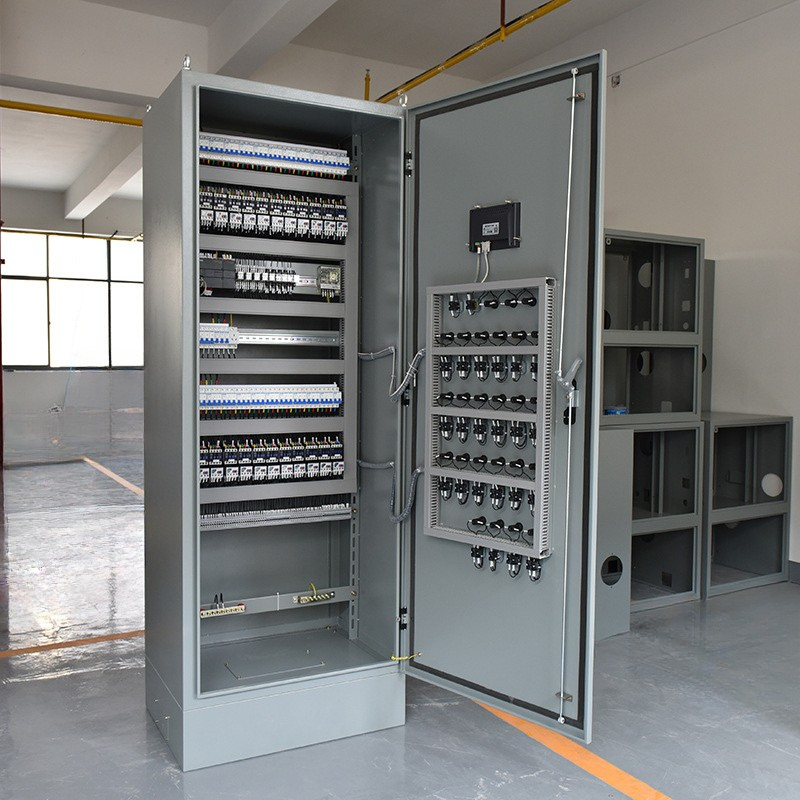
Kuunda Kipaneli cha Udhibiti wa Mawasha kwa Mazingira Magumu ya Uchimbaji
Machafu, unyevu, na joto kali: Uchaguzi wa vitu na ukalimuzi wa mifupa
Paneli za kudhibiti injini zinazotumika katika shughuli za uchimbaji madini hukabiliwa na changamoto kubwa kila siku. Zinahitaji kushughulikia kila kitu kuanzia chembe za vumbi zenye mchanga hadi hali ya unyevunyevu mwingi, pamoja na mabadiliko ya halijoto ambayo yanaweza kuanzia nyuzi joto 30 Selsiasi kwenye migodi ya mashimo wazi ya arctic hadi nyuzi joto 60 Selsiasi zenye joto kali chini ya ardhi ambapo joto hujikusanya. Ili kulinda dhidi ya mazingira haya magumu, watengenezaji kwa kawaida huchagua vizuizi vya polikaboneti vilivyoimarishwa na chuma cha pua au UV vyenye gasket maalum zilizokadiriwa IP66. Mipangilio hii huzuia vumbi kabisa na hustahimili vyema dawa za kunyunyizia maji zenye shinikizo kubwa pia. Linapokuja suala la kudhibiti joto ndani ya paneli hizi, hakuna njia nyingine ila kuwekeza ipasavyo. Vifaa vingi huweka vipoezaji vya vortex au vitengo vya kiyoyozi vilivyokadiriwa NEMA 4X ili kuhakikisha halijoto hubaki ndani ya safu salama za vifaa vya elektroniki. Kwa maeneo yanayoshughulika na madini yenye unyevu ambayo huwa yanaharibu vifaa haraka kuliko kawaida, kubadili vizuizi vya alumini vilivyofunikwa kwa unga pamoja na vipengele vya chuma cha pua hufanya tofauti kubwa. Kulingana na ripoti za hivi karibuni za tasnia kutoka 2023, mchanganyiko huu kwa kweli huongeza maradufu maisha ya paneli za kudhibiti ikilinganishwa na chaguzi za kawaida za chuma cha kaboni katika hali kama hizo.
IP66/NEMA 4X dhidi ya NEMA 12: Kufitisha ulinzi wa kuingia kwa mazingira ya uso, chini ya uzazi, na mazingira yenye maji ya chuma
Kuchagua kiwango cha sahihi cha ulinzi wa kuingia kinaelezwa kwa mazingira ambayo vifaa vitakayotumika vitakapopitia kila siku. Vifaa vya kufunga vilivyopimwa kwa IP66 au NEMA 4X vinazima mchanga wote na yanaweza kubeba uvutaji wa juu wa maji, kwa hivyo ni muhimu sana katika eneo la chini la pombo za slurry, karibu na miongozo ya kusambaza kwenye crusher, na hakika inahitajika katika eneo la kutengeneza asidi ambapo uharibifu na maji ni matatizo ya mara kwa mara. Katika eneo zilizopo kwenye uso la ardhi na zinazokuwa nafuu zaidi, kitu kama NEMA 12 kinafanya kazi nzuri kwa vitu kama miongozo ya miongozo ya kusambaza ambayo inaweza kupata mchanga au upepo wa mafuta. Lakini jambo la kuvutia zaidi ni jinsi NEMA 4X inavyofanya kazi bora zaidi dhidi ya uharibifu. Majaribio ya kushirikiana kutoka kwenye shughuli za kusasisha madini mwaka jana yalionyesha kwamba vifaa hivi vilipunguza mishindano kwa takriban thuluthi moja wakati wa kushughulikia hewa yenye chumvi au kemikali zenye nguvu.
Kuunganisha Vituo vya Kudhibiti na Ulinzi kwa Kudhibiti Bora ya Mawasha
Uboreshaji wa VFD na udhibiti wa servomotor: Uj response wa torki, kuzima kwa mabadiliko ya nishati, na kufiltrisha vikwazo vya harmoniki kwa vituo vya kuhamisha na vifaa vya kupanda
Katika uendeshaji wa migodi, viendeshi vya kifupi cha mzunguko (VFD) na viendeshi vya servomotor vinatoa udhibiti wa haraka na wa kuvutia juu ya mitambo. Unapopata kazi ya kusafirisha chombo kinachobeba mzigo usiothabiti wa chuma, mfumo huu unaweza kujibu kwa wakati mfupi zaidi ya milisekunde 100 kwa mabadiliko ya mzigo, ambayo husaidia kuondoa kuchukua kwa kambani na kuzuia kutengana kwa vitu unapokuwa na ongezeko la ghafla ya kiasi. Kipengele cha kupunguza kasi kwa kutumia nishati ya miongozo pia kinafaida kubwa katika hoisti na kusafirisha chombo chenye mwelekeo wa chini. Hii inapata nishati ya miongozo ambayo ingekuwa imepotea, ikipunguza matumizi ya umeme kwa asilimia 25 hadi 40 kulingana na majaribio ya kisasa. Kuzingatia kitu kingine muhimu ni ufiltari wa harmoniki kwa ajili ya usafi wa umeme. Vifiltari vya aktifu hupunguza harmoniki hizo zinazochanganya, kuhakikisha kuwa jumla ya uharibifu haipunguki chini ya asilimia 5 katika mzunguko wa kuchafua. Hii inahifadhi PLC zote za uchunguzi na vifaa vya uchunguzi kutokatwa na mabadiliko ya utaratibu ya umeme yanayotokea kwa kawaida katika mazingira haya.
- Ukamilishaji wa mzigo muhitaji wa uwekaji wa torki kwa muda halisi unadumisha mgawanyo wa nguvu kwenye kavu wakati wa mabadiliko ya kiasi cha chuma
- Kurejesha Nishati nishati iliyorejenerika inalipatia vifaa vingine vya karibu au huja nyuma kwenye mtandao kupitia inverter zinazofanana
- U safi wa umeme kufiltrisha kwa vitu vingi vinawafungua sauti ya mchakato kutoka kwenye uvurugu wa miongo ya udhibiti wa voltage ndogo
Ulinzi wa pamoja wa motor: Reli za kupita kiasi, utambuzi wa upungufu wa ardhi, na mfumo wa joto katika panel ya udhibiti wa motor
Paneli za kudhibiti motori za leo zinakuwa na mifumo ya ulinzi wa akili ambayo hufanya zaidi ya kufuata mipaka iliyowekwa. Paneli hizi hutumia michoro ya joto ambayo huendelea kubadilisha njia yao ya kujibu kwenye mzigo mwingi kulingana na mahali halisi la joto karibu na motori na ndani ya mizunguko yake. Hii inafanya motori ziweze kusimama takriban asilimia 18 zaidi hata wakati wakifanywa uwekaji katika eneo la chini la ardhi linaloanza moto na la kupungua kwa uvumbuzi. Relai za kuepuka mzigo wa kielektroniki zinatamani kutokea kwa ukatili kati ya mashine ya sasa, wakati kipengele cha kugundua mapungufu ya ardhi kinaweza kugundua matatizo ya ulinzi hadi kwa kushusha cha 50 milliampere. Uunganisho wa hii yote na kitu kinachoitwa 'kuingiliana kwa eneo maalum' unafanya mfumo wote uweze kugundua na kuhifadhi matatizo ya umeme katika sekunde chini ya kumi ya moja. Kwa mujibu wa utafiti wa hivi karibuni kutoka kwenye sekta ya kuwasha mchanga mwaka 2023, mifumo hii huzuia takriban tisa kati ya kumi ya mapungufu ya motori yanayotokana na sababu isiyohitajika kabla hawajatokea.
- Kuboresha kwa joto ukubaliana wa kisasa wa mchakato unahakikisha kuondoa joto lililoundwa katika vitambaa vya kufunga au vitambaa vilivyopandwa kwenye nafasi ndogo
- Mtarajio wa makosa mkakati wa kuzima kwa mpango unaohakikisha kuendelea kwa mchakato wa juu wakati wa makosa ya eneo fulani
- Udhibiti wa mapema ufuatiliaji wa kibinafsi cha joto unasababisha taarifa kabla ya kufikia kilele cha muhimu
Kuhakikisha Utekelezaji, Usalama, na Ubainishaji wa Mahali pa Hatari
UL 508A, UL 698A, na NFPA 79: Viashiria muhimu vya kipekee vya vitambaa vya udhibiti wa mawashi katika uchunguzi wa madhara
Kupata uthibitisho wa kutosha si tu kazi ya waraka—bali hufanya msingi wa uendeshaji salama. UL 508A ina weka viwango vya ujenzi wa paneli za udhibiti wa viwanda, ikijiandikisha yote kutoka umbali uliopaswa kubakia kati ya vipengele hadi uwezo wao wa kushughulikia mafuriko ya muda mfupi na jinsi ya kuchomonga waya kote katika mfumo. Unapogundua UL 698A, hii ni kiwango kinachozingatia eneo ambalo ni hatari kama vile minyoro ya machungwa na mahali mengine yanayotambuliwa kama mazingira ya daraja la I au II. Inahitaji majaribio ya kusisimua kwa mafuriko ya umeme (arc flashes), inachunguza ikiwa vifaa vinaweza kubakia joto kwa muda mrefu, na inahakikisha kwamba sehemu zisizoweza kusababisha mapigo ya moto. Kisha kuna NFPA 79 ambayo inafanya kazi pamoja na viwango hivi. Inaonyesha ukubwa mdogo wa vifaa vya kujaza umeme (conductors), inaelezea njia sahihi za kufunga kwenye ardhi (grounding), na inaonyesha umbali uliopaswa kubakia kati ya mistari ya umeme na mistari ya udhibiti. Kanuni hizi hukusaidia kweli kuzuia moto na kuzuia matatizo kusambaa katika mashirika ya uwasishaji wa madini. Data halisi ya duniani pia inasaidia hili. Minyoro ambayo hajapata uthibitisho huona tatizo la umeme zaidi ya 23% kulingana na ripoti za usalama za hivi karibuni kutoka kwa MSHA mwaka 2023.
Mifumo ya kufunga yanayoweza kupasua na mifumo ya kusimamisha kwa urahisi inayolingana na MSHA kwa mazingira ya Class I Div 1/Zone 1
Mifumo ya kufunga yanayoweza kupasua inahitajika kabisa katika eneo ambako gesi ya methani inazungukana au vichipu vya unga vinaweza kuzima, kama vile karibu na shughuli za kuwasha mchanga au wakati wa kushughulikia chombo cha chuma cha fine kwa usafiri. Vifungo vya nyumba hivyo vinavyofanya kazi kwa kuzuia mapumzi yoyote ndani kupitia muunganisho maalum ya njia ya moto iliyotengenezwa kwa uhakika mkubwa, pamoja na mfumo wa kuvunjika kwa shinikizo uliopo ndani ili kuzuia moto kusambaa nje ya kifungo. Kulingana na viwajibikaji vya MSHA, mifumo ya kusimamisha kwa urahisi inahitaji kusimamisha mota kabisa ndani ya sekunde moja na nusu hata wakati joto linapopungua hadi minus 40 digrii Silisiasi. Vijidudu hivi vya usalama vinapaswa bado kufanya kazi vizuri hata ikiwa sehemu moja inashindwa kwa mchanganyiko. Baadhi ya mambo muhimu zaidi ya ubunifu huu ni...
- Vifungo vya kuchanganya vilivyopimwa kwa ajili ya kikundi cha gesi IIC ili kuzuia usambaa kupitia vituo vya kuchanganya
- Mzunguko wa kusimamia kikomo cha kuchukua kipindi cha kusha kwa kanali mbili na uchunguzi wa otomatiki
- Ufuatiliaji wa joto la uso ili kuhakikisha kwamba nje ya mifumo ya kufunga huwezi kupita 80% ya joto la kuanza kuvutia katika eneo hilo
Unapowekwa kwa ukamilifu na kuthibitishwa, mifumo hii inapunguza hatari ya kuvutia kwa 67% katika mazingira ya Class I Division 1, kama ilivyothibitishwa na ukaguzi wa usalama wa mitaa ya tatu katika shughuli za ubao wa Amerika Kaskazini.
Maswali Yanayotuliwa (FAQ)
Ni vipi vya kwanza vya vitu vinavyotumika kwa mabahadia ya udhibiti wa motor katika mazingira ya kuwasha?
Stainless steel na polycarbonate iliyostabilishwa kwa UV zinapendekezwa kwa sababu ya uwezo wao wa kudumu na ulinzi dhidi ya unyevu na unyevu. Katika mazingira ya unyevu wa maji, vifaa vya aluminum vilivyopaintiwa kwa powda na stainless steel vinapendwa zaidi kwa sababu ya uwezo wao wa kuzuia uvunjaji.
Tofauti kati ya ratibu ya IP66/NEMA 4X na ratibu ya NEMA 12 ni ipi?
IP66/NEMA 4X inawezesha ulinzi kamili dhidi ya maji na mafuta, na yanaweza kubeba mafuta ya maji yenye shinikizo kubwa, yanayofaa katika mazingira magumu yenye ukatilifu na unyevu. NEMA 12 ni bora zaidi kwa hali za kushoto zinazotokana na unyevu chini ya kiwango cha ardhi, inatoa ulinzi dhidi ya mafuta na mvuke wa mafuta.
VFD na mashine ya kusimamia moto zinaboresha uendeshaji wa migodi jinsi gani?
VFD na mashine ya kusimamia moto zinatoa udhibiti wa kuvutia kwenye moto, zinajibu haraka kwa mabadiliko ya mzigo, na kuzuia kuvutia kwa njia ya kawaida. Pia zinatoa kuvuta kwa njia ya kurejesha nishati ili kupunguza matumizi ya umeme, na kufiltrisha vinyo vya umeme ili kulinda mfumo wa umeme.
Kwa nini uthibitisho ni muhimu kwa paneli za kusimamia moto?
Uthibitisho kama UL 508A, UL 698A, na NFPA 79 unahakikisha kwamba paneli za kusimamia moto zinakidhi viwajiba vya usalama, kubadilisha matatizo ya umeme, na kuzuia moto.
Orodha ya Maudhui
- Kuunda Kipaneli cha Udhibiti wa Mawasha kwa Mazingira Magumu ya Uchimbaji
-
Kuunganisha Vituo vya Kudhibiti na Ulinzi kwa Kudhibiti Bora ya Mawasha
- Uboreshaji wa VFD na udhibiti wa servomotor: Uj response wa torki, kuzima kwa mabadiliko ya nishati, na kufiltrisha vikwazo vya harmoniki kwa vituo vya kuhamisha na vifaa vya kupanda
- Ulinzi wa pamoja wa motor: Reli za kupita kiasi, utambuzi wa upungufu wa ardhi, na mfumo wa joto katika panel ya udhibiti wa motor
- Kuhakikisha Utekelezaji, Usalama, na Ubainishaji wa Mahali pa Hatari
-
Maswali Yanayotuliwa (FAQ)
- Ni vipi vya kwanza vya vitu vinavyotumika kwa mabahadia ya udhibiti wa motor katika mazingira ya kuwasha?
- Tofauti kati ya ratibu ya IP66/NEMA 4X na ratibu ya NEMA 12 ni ipi?
- VFD na mashine ya kusimamia moto zinaboresha uendeshaji wa migodi jinsi gani?
- Kwa nini uthibitisho ni muhimu kwa paneli za kusimamia moto?