
 EN
EN



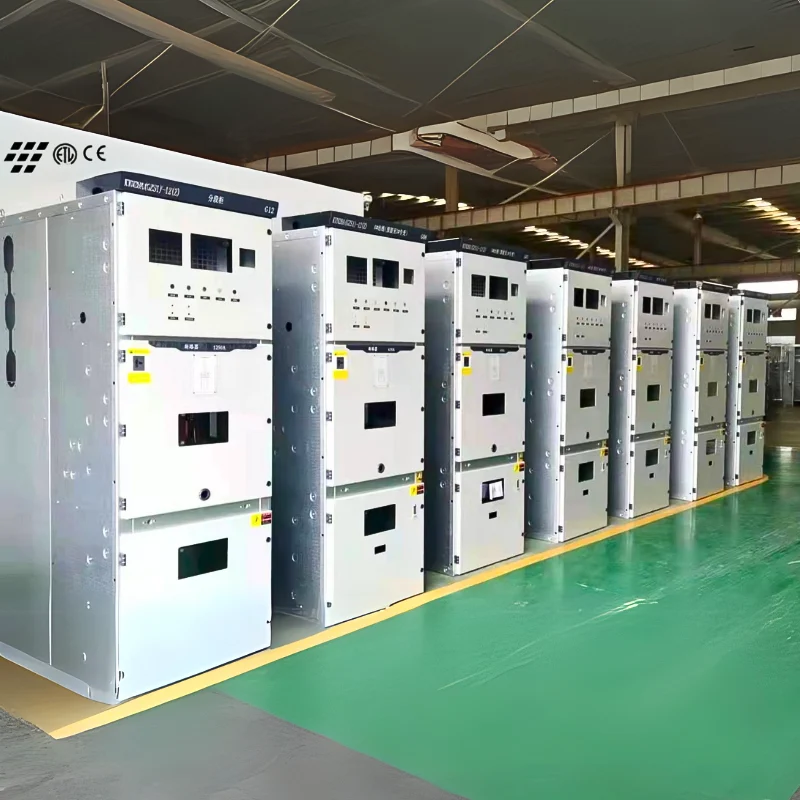
The Critical Role of Switchgear in Modern Power Distribution
In any robust industrial or commercial facility, electrical switchgear serves as the absolute backbone of reliable power distribution. It functions as the central nervous system that effectively manages, protects, and isolates electrical equipment, ensuring that power flows safely from the utility grid to the end machines. When switchgear fails, production stops, expensive machinery risks severe damage, and facility safety is compromised. Reliability in switchgear is not an accident; it is the deliberate result of selecting and integrating high-quality, field-proven components designed to handle extreme electrical currents, transient surges, and demanding industrial environmental conditions. For facility managers, electrical engineers, and project owners, understanding the core components of reliable switchgear is the essential first step toward building a power infrastructure that supports continuous, high-performance operations without the constant fear of unexpected downtime.
Circuit Breakers: The Heart of Protection
At the very core of any high-performance switchgear system lies the circuit breaker, which functions as the primary, high-speed guardian against short circuits and overloads. A truly reliable circuit breaker must do more than just trip; it must provide robust, high-speed interruption capability under massive fault currents. Modern power systems increasingly prioritize vacuum or gas-insulated breakers for their superior arc-quenching properties, exceptional durability, and significantly reduced maintenance requirements. When evaluating a breaker for a new project, technical specifications such as interrupting capacity, mechanical endurance cycles, and response speed are non-negotiable factors. Professional-grade breakers are engineered to clear hazardous faults within milliseconds, protecting expensive downstream equipment and preventing the dangerous effects of arc flashes. Choosing breakers that are modular and easy to test is a critical strategy for facilities that require high availability and predictable, simplified maintenance cycles.
Disconnectors and Busbar Systems: The Power Backbone
The consistent flow of electricity within a switchgear cabinet relies entirely on the structural integrity of its internal busbar systems and disconnectors. Busbars must be meticulously sized not only for their continuous current-carrying capacity but also for their thermal stability during short-circuit events, where electromagnetic forces can be truly immense. Manufacturers who prioritize long-term reliability utilize high-conductivity copper or specialized aluminum alloys, often with silver or tin plating to effectively prevent oxidation and minimize contact resistance. Disconnectors, meanwhile, provide the essential isolation required for safe, routine maintenance. A high-quality disconnector ensures a visible, reliable break in the circuit, preventing accidental energization during service. In high-stakes industrial environments, the stability and precision of these power pathways determine the overall system’s efficiency and its resistance to heat-related degradation over many years of continuous operation.
Protection Relays and Intelligent Monitoring
The era of "dumb" electrical panels is definitively over. Modern, reliable switchgear relies on advanced protection relays and digital monitoring units to act as the sophisticated "brain" of the entire system. These intelligent devices provide far more than basic, outdated overcurrent protection; they offer comprehensive, real-time diagnostics, including power quality analysis, temperature monitoring of critical connection points, and communication via global protocols like Modbus or IEC 61850. By integrating these sensors, engineers can shift from reactive maintenance to a highly efficient predictive model. For example, a relay that detects a minor, unusual increase in busbar temperature can alert operators to a loose connection before a catastrophic failure occurs. This level of oversight, combined with reliable, high-precision sensing hardware, transforms switchgear from a passive container into an active, self-monitoring asset.
Enclosure and Environmental Durability
A switchgear system is only as reliable as its physical, protective container. Various environmental factors—such as high humidity, airborne dust, conductive metallic particles, and extreme temperature swings—are the leading causes of long-term switchgear failure. Professional-grade enclosures are built with strict, uncompromising adherence to IP (Ingress Protection) ratings, ensuring that all internal components remain clean, dry, and protected from the elements. However, durability goes far beyond just sealing; it involves robust design for heat dissipation and extreme vibration resistance. A well-constructed enclosure features optimized ventilation paths and utilizes corrosion-resistant, heavy-duty materials, ensuring that the critical internal electronics are not compromised by the surrounding industrial atmosphere. Investing in a properly rated, high-durability enclosure is a fundamental insurance policy against the environmental degradation that often plagues lesser-quality, budget-focused installations.
Excellence in Switchgear Integration and Support
The design and integration of reliable switchgear require a deep, specialized understanding of power physics and absolute manufacturing precision. Any oversight in the selection of components or the quality of the assembly process can lead to significant operational failures and massive productivity losses. BoZhi has established itself as an industry leader by focusing intently on the core technical requirements of high-performance power distribution solutions. By combining elite component sourcing with disciplined, rigorous assembly and testing processes, BoZhi provides customized switchgear solutions that empower manufacturers to achieve peak operational reliability. With a firm commitment to material purity, precise mechanical assembly, and comprehensive technical documentation, BoZhi ensures that every power distribution system is not just operational, but optimized for long-term safety and peak efficiency. Partnering with experts who understand the nuances of electrical infrastructure allows facility owners to move forward with complete confidence, knowing their power backbone is built on quality, innovation, and an unwavering commitment to excellence.