
 EN
EN



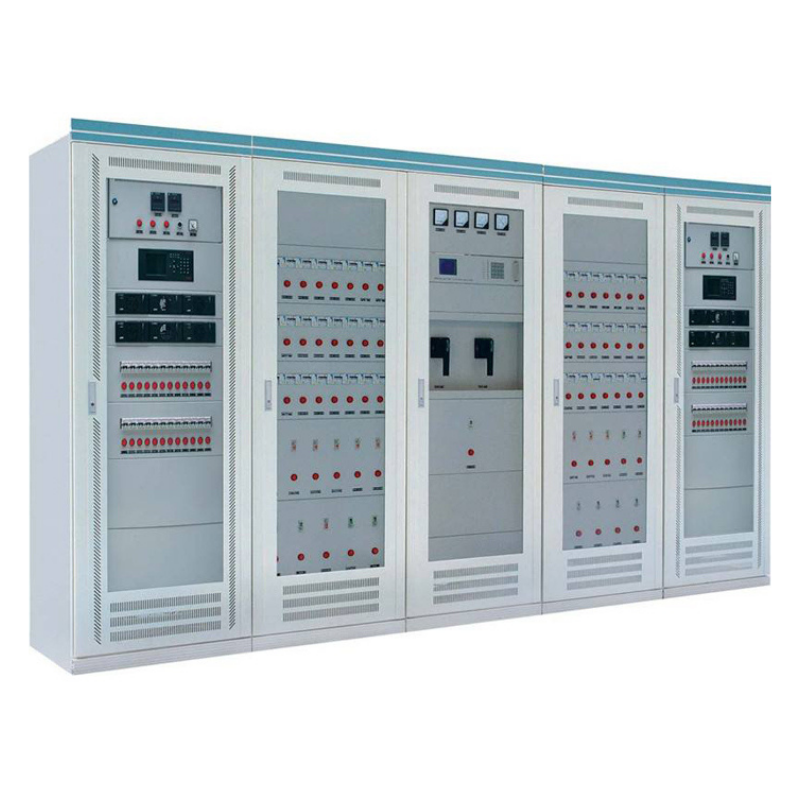
የኤምሲሲ ፓነሎች የዋራንቲ እና የአገልግሎት ፕሮቶኮሎች የመስተዳድር ተስማሚነት
የኤምሲሲ ፓነሎች ድጋፍ ከአይኢሲ፣ ኒማ እና ኢኤስ ደንቦች ጋር የሚስማማ ማጣመር
ለኢንዱስትሪ MCC ፓነሎች፣ ዓለም አቀፍ የደህንነት እና የአፈጻጸም ደረጃዎችን ማሟላት በጣም አስፈላጊ ነው። ቁልፍ ማዕቀፎች አጭር የወረዳ መቋቋም አቅምን እና የዲዛይን ማረጋገጫ መስፈርቶችን የሚሸፍነው IEC 61439፣ የአካባቢ ጥበቃ ገጽታዎችን እና መዋቅራዊ ታማኝነትን የሚመለከት NEMA ICS 2-3፣ እንዲሁም ከህንድ የተገኘው IS 8623 በተለይም የሞተር መቆጣጠሪያ ማዕከል ዝርዝሮችን የሚመለከት ነው። አምራቾች እነዚህን መመዘኛዎች በቀጥታ በዋስትና ሁኔታዎቻቸው ውስጥ ሲገነቡ፣ ደንቦችን የማያሟሉ ዲዛይኖች፣ በምርት ወቅት ጥቅም ላይ የዋሉ ደካማ ጥራት ያላቸው ቁሳቁሶች ወይም በቂ ያልሆነ የሙከራ ሂደቶች ለሚነሱ ማናቸውም ችግሮች ግልጽ ተጠያቂነትን ይፈጥራሉ። እነዚህን መመሪያዎች መከተል ኩባንያዎች የሥራ ቦታዎችን ደህንነቱ የተጠበቀ በማድረግ ውድ የሆኑ የቁጥጥር ችግሮችን እንዲያስወግዱ ይረዳል። በ2023 ከኤሌክትሪክ ደህንነት ፋውንዴሽን ኢንተርናሽናል የቅርብ ጊዜ የኢንዱስትሪ ደህንነት ሪፖርቶች መሠረት፣ ለመመዘኛዎች ተገቢ የሆነ ማክበር የደህንነት ክስተቶችን በ32% ሊቀንስ ይችላል። ወጥ የሆነ የሰነድ አሠራር መኖሩ ተገዢነትን ለሚፈትሹ ውጫዊ ኦዲተሮች እና በስራዎች ውስጥ መደበኛ የጥራት ግምገማ ለሚያካሂዱ ውስጣዊ ቡድኖች ሕይወትን በጣም ቀላል ያደርገዋል።
የዋራንቲ የሂደት መጠበቅ እንዴት የመንግስት የአገልግሎት ማድረግ አስፈላጊነትን ይሙላል
ተከፍለው የዋራንቲ ፕሮግራሞች ብቻ የተበላሽተውን ነገር አይቀንሳም፤ በተጨማሪም የሚያስፈልጋቸውን የአገልግሎት ስራዎች በቀጥታ ወደ የአገልግሎት አገባብ ውስጥ ያካተቱ ናቸው። ለምሳሌ በአንድ አመት ውስጥ የቡስባር ግንኙነት ትርክ ማረጋገጫ፣ የኮንታክተሮች የሙቀት ማስመራያ ማድረግ እና የኢንሶሌሽን የተቃውሞ ፈተናዎች ሁሉ የኦ.ኤስ.ኤইች.ኤ (OSHA) የኤሌክትሪክ ደህንነት ደንቦችን ይከተላሉ እና በጣም ጥሩ ሁኔታ የኤን.ኤፍ.ፒ.ኤ (NFPA) 70E መመሪያዎችን ይከተላሉ። ይህን የዋራንቲ የተደገፉ የአገልግሎት እቅዶችን የሚከተሉ የድርጅቶች በኦ.ኤስ.ኤይ.ኤች.ኤ (OSHA) ጉዳዮች ላይ በኩል አካባቢ 40% ያነሰ ችግር ይገኛሉ እና የሞተር የቆጣሪ ማእከል (MCC) ፓነሎቻቸውን በ18% የበለጠ የሕይወት ዘመን ይገኛሉ፣ ይህም በተጨማሪ ሰራተኞች ወይም በተጨማሪ ወጪ ሳያስፈልግ። ገንዘቦች የተለየ የማስመራያ ሥራዎችን እንደ መሰረታዊ የዋራንቲ መጠበቅ አካል በመጠቀም እና እንደ ተጨማሪ ለመክፈል የሚያስፈልገው ነገር በማለት በመጠቀም በስራ ውስጥ የሚከሰቱ የስራ ውጤት የማይስተካከል ሁኔታዎች ወይም የስራ ውስጥ የሚከሰቱ የציוד ቀስ በቀስ የሚከሰቱ ችግሮች በቅድሚያ ይከስታሉ።
ለሞተር የቆጣሪ ማእከል (MCC) ፓነሎች የተከላካይ እና የተ foresee የአገልግሎት እቅዶች
ዋና የዳይያግኖስቲክ ፋይላማት: የሙቀት ምስል ማውጣት፣ የቶርኩ ማረጋገጫ፣ እና የመሠረቱ የተነካ ጥራት
የስርዓቱ የተረጋገጠነት ላይ ትልቅ ተጽዕኖ የሚያሳድር ሦስት መሰረታዊ ፍተሻዎች አሉ። በመጀመሪያ፣ የሙቀት ምስል ማውጣት (thermal imaging) በኤሌክትሪክ የተገናኘ ክፍሎች እና በባስባሮች (busbars) ላይ የሚከሰቱ የሙቀት ማለፊያ ስህተቶችን እስከ አምስት ወራት በፊት ሊያስተዳድር ይችላል። ከዚያ የተርኩ ማረጋገጫ (torque verification) ይመጣል፣ ይህ የማሽን ሁሉንም የሜካኒካል ግንኙነቶች በአምፃኝ በሚመለከታቸው የማሽን ምርት አገልግሎት የሚመለከታቸው የተመረጠ የተርኩ እሴቶች በትክክል የተጠብቀ መሆኑን የሚያረጋገጥ ነው፣ እና ይህ የደንጅሩ የኤሌክትሪክ ቀስ በቀስ (arc flashes) ማስቆም ይችላል። እና በመጨረሻ የመሬት የተገናኘነት ፍተሻዎች (earthing integrity tests) የመሬት የተገናኘነት አፈፃፀምን የሚለካ ነው። ከዚህ ምንጭ የሚገኘው የቪoltaጅ መለኪያ ከ25 ኦሞስ በላይ ከሆነ፣ በዚህ ጊዜ በመሬት ውስጥ የሚከሰቱ የእርጥበት ስህተቶች (corrosion) እንደ የሚከሰቱ ይታወቃል። በኢሌክትሪክ የተሰራቀ የአገልግሎት ማህበር (National Association of Electrical Distributors) በ2023 ዓ.ም. የተለቀቀው የተረጋገጠነት የተመረጠ መለኪያ የመረጃ መዋቅር መሰረት፣ የሶስቱ የተከ foresee የማገጃ ስራ ዘዴዎችን (predictive maintenance techniques) የሚተግበር የተቋቋም ቦታዎች በሞተር የመቆጣጠሪያ ማእከል (motor control center) ውስጥ የሚከሰቱ የስርዓት ቀስ በቀስ የሚከሰቱ ችግሮችን በ40% ያቀንሳሉ። ይህ በተለይ የተደጋጋቢ ፍተሻዎች ብቻ ቢሆኑ በጣም የሚያስደንቅ ነው።
የቁሳቁስ ማቀዝቀዣ፣ የጤና እና የተዘመነ የMCC ፓነል የአገልግሎት ምርጥ ተግባራት
በሞተር መቆጣጠሪያ ማዕከላት ውስጥ ከሚከሰቱት የመከላከያ ችግሮች መካከል 27 በመቶ የሚሆኑት ከመጠን በላይ ሙቀት በመያዝ የተከሰቱ ናቸው፣ ይህም በአብዛኛው የሚከሰተው በቂ የአየር ፍሰት በማይኖርበት ጊዜ ነው፣ ምክንያቱም የንፋሱ ክፍተቶች በአቧራ ስለሚታሰሩ ወይም መያዣዎቹ በጣም ትንሽ ስለ በየሦስት ወሩ የሚደረግ መደበኛ ጥገና እዚህ በጣም አስፈላጊ ነገር ነው። እነዚህን የማቀዝቀዣ ክፍተቶች እና ማጣሪያዎች ማጽዳት አስፈላጊ ሥራ ይሆናል፣ በፓነሎቹ ዙሪያ ቢያንስ 30 ሴንቲ ሜትር ቦታ መኖሩን ማረጋገጥ፣ እንዲሁም በምርመራ ወቅት የሙቀት እና እርጥበት ደረጃዎችን መከታተል ትርጉም አለው። የአየር ፍሰት መቆጣጠሪያ የአየር ማጣሪያዎችን ለመተካት ሲባል፣ አቧራማ በሆኑ አካባቢዎች ስድስት ወራት ጥሩ ነው፣ ነገር ግን ተቋሙ ጥሩ የአየር ንብረት ቁጥጥር ካለው እስከ አስራ ሁለት ወራት ሊራዘም ይችላል። እነዚህን ልምዶች በተከታታይ መከተል የ MCC ፓነሎችን ዕድሜ በእጥፍ ሊጨምር ይችላል፣ ይህም በአገልግሎት ጊዜያቸው ከስምንት እስከ አስር ተጨማሪ ዓመታትን ይጨምራል፣ በተጨማሪም በ IEC 61439-1 መደበኛ ውስጥ እንደተገለጸው ተገቢውን የሙቀት ደህንነት ህዳግ ለመጠበቅ ይረዳል።
የራስተኩር ምልከታ እና የማይክሮኮንትሮል ኬብኔቶች ለማስተዳደሪያ በስልጣን የሚሰራ የገመገማ ስርዓት
የአይኦቲ የተዋቀረ በጊዜ ላይ የውድቅ መለያ በኤምሲሲ ፓነል ክስተቶች ውስጥ
እንደ በስባር፣ ኮንታክተሮች እና በመስሪያ ቤቱ ዙር ያሉ ሌሎች ሞተር መነዳዎች የሚገኙበት ዋና የሆኑ ነጥቦች ላይ IoT ሳንሰሮች ቢቀመጡ፣ እነዚህ ሳንሰሮች በአሁኑ ጊዜ የሚከሰቱ የአሁኑ ሃርሞኒክስ፣ በተለያዩ ክልሎች ውስጥ የሙቀት ለውጦች እና የሚከሰቱ የቪብሬሽን አይነቶች እንደሚያሳዩ የተዘረጋ መረጃ ይላካሉ። በተግባር የሚያሳየው ግን ችግሮች በከፍተኛ አደጋ ሆኖ ተገኝ በፊት ሊታወቁ ይችላሉ። ለምሳሌ፣ በኔትራል አሁን ውስጥ የሚከሰቱ የጨመረ አሁን በአንድ ቦታ ላይ የኢንሶሌሽን አፈታት ሲጀምር ያሳያል። በተወሰነ ቦታ ላይ የሚታዩ የሙቀት ማዕከላት በአጠቃላይ የገንጠብ ግንኙነቶች በጊዜ ጊዜ የተፈታፉ ሲሆኑ ያሳያል። እና የማይደስ ቪብሬሽን በአጠቃላይ የሞተሮች ድጋፍ በትክክል አልተስተካከለም ያሳያል። ከ2023 ዓ.ም. የציוד የተረጋጋነት ማዕከል የተሰጠው ዘገባ መሰረት፣ እንዲህ ዓይነቱ የመከታተል ስርዓቶችን የሚተግበሩ ኩባንያዎች በተስፋፋ የተከሰቱ የציוד ውድቀቶችን በተጠቅመው አካል አካል በ45% ይቀንሳሉ እና በተደጋጋሚ የሚከናወኑ የአገልግሎት ወጪዎችን በ30% ይቀንሳሉ።
የተለያዩ የማስጠንቀቂያ ደረጃዎች እና የሚከታተሉት የኤም.ሲ.ሲ. ፓነሎች ዲሸርድ አስተዳደር
በክላውድ ላይ የተመሰረቱ ዲሸርዶች ከፍተኛ በሆኑ መሳሪያዎች የተገለጸውን ደረጃ እና በእያንዳንዱ ቦታ ላይ በተለያዩ ሁኔታዎች የሚከሰቱ ነገሮች መሰረት የማስጠንቀቂያ ደረጃዎችን ለመስራት የተገልጠ ነው። ለምሳሌ፣ የፋዝ አለመመጣጠን 10 በመቶ በላይ ሆኖ ከተገኘ፣ የሙቀት ደረጃ 45 ዲግሪ ሳልስዮስ በላይ ተጨማሪ ሆኖ ከተገኘ፣ ወይም የኢንሶሌሽን ደረጃ ከአንድ ሚሊዮን ኦህም በታች ቢሆን ይህ ስርዓት የተለያዩ የደረጃ ግቤቶችን ያቀርባል፣ ስለዚህ መሐንዲሶች የተደለለ የካርታ ትንተና ማድረግ ይችላሉ፣ ሲሆን አስተዳዳሪዎች ዋና የፈጠራ አቅም እና የአገልግሎት ደረጃ ውል የሚያሳዩ ነገሮችን ይመልከታሉ። በተጨማሪም የአገልግሎት አስተዳዳሪዎች የራሳቸው የተወሰኑ የስራ ቅደም ተከተሎችን በቀጥታ ይቀበላሉ። የራስ-ሰር የተሰሩ የጽሁፍ መልዕክቶች እና ኢሜይሎች በአጠቃላይ የስራ ቀመር ችግሮች ስድስት ከአስር በኩል በራስ-ሰር መፍታት ይረዳሉ። ይህ የተገኘው የቦታ ምልከታ የማይጠቅም የመጓዝ ጊዜን ያቀናብታል እና የአደጋ ሁኔታዎችን ለመፍታት ምላሽ ማስተላለፊያን በስድስት ከአስር በላይ ያቀናብታል፣ ይህ የተለየ የኤነርጂ አስተዳደር ፖለቲካ በስድስት ከአስር በላይ የተመዘገበ ነው በላስተ ዓመት የተለቀቀው በኤነርጂ አስተዳደር ዞርናል ውስጥ ከአርባ ሁለት ፋብሪካዎች በተለያዩ ኢንዱስትሪዎች ውስጥ የተካሄደው ጥናት መሰረት ነው።
የፊልድ አገልግሎት ምርጥነት እና የኤምሲሲ ፓነሎች የተረጋገጠ ወደ አገልግሎት ደለወዝ
ከፍተኛ ችግሮች በኋላ የኤም.ሲ.ሲ. ፓነሎችን በፍጥነት እንደገና ወደ አውታረመረብ ማስገባት የተሞላ የፊልድ ቡድን ይፈልጋል፣ ይህ ቡድን የኢንዱስትሪያል የኃይል ስርዓቶችን በሙሉ የሚያውቅ እና የሁሉም የፋሽን ህጎችን በጥንቃቄ የሚከተል ነው። በእነዚህ ስራዎች ላይ የሚሰሩ ቴክኒሻኖች የኤን.ኤፍ.ፒ.ኤ. 70ኢ ደንቦች መሸፈን ያለባቸው መሆን አለባቸው። ይህ ቡድን የተወሰኑ ፋብሪካ ዲያግራሞችን፣ በትክክል የተስተካከሉ የቶርኩ ወረቀቶችን እና የተዛዙ የአይንሱሌሽን ፓርቲብል ፋይተሮችን ይዘዋል እና በቦርድ ባር የአርኪንግ፣ በማቆም የኮንታክተሮች ወይም በሳይት ላይ የተሳሳተ የሬሌ ማስተዳደር ያለው ችግር ቢከሰቱ በቦታው ምን ያህል ችግር እንደሆነ ለማወቅ ይጠቀማሉ። በብዙ የሴርቪስ አገልግሎት አገባብ የፍጥነት ምላሽ ጊዜ በጣም አስፈላጊ ችግሮች ላይ በአጠቃላይ በአራት ሰዓታት ውስጥ ይገለጻል፣ እንዲሁም በየጊዜው የሚሰራ የሴርቪስ አገልግሎት ለምርት መስመሮች እና ለቤት የአየር ሁኔታ ቁጥጥር ስርዓቶች የሚሰሩ የበለጠ አስፈላጊ ክስተቶችን በሌሊት ስራ ጊዜ የሚያስከናወን ነው። ከትክክለኛ ማስተካከያ በኋላ የኃይል ማጠናቀቂያ ከመጀመር በፊት ሁልጊዜ የአይንሱሌሽን የተቃውሞ ፈተና እና የኮንታክቶች ትክክለኛ የመስመር ማስተካከያ የሚፈጸም የመጨረሻ ፈተና ይካሄዳል። ይህ ሁሉ የኤሌክትሪክ ጥንካሬን የሚያረጋግጥ እና የተደነገገውን የደህንነት የሥራ ደረጃ የሚያስከብር የአይ.ኢ.ሲ. 61439-1 የስራ መስፈርት ይሟላል።
የተለመዱ ጥያቄዎች
የኤምሲሲ ፓነሎች ላይ የሚተገበሩ ዋና ደንቦች ምንድናቸው?
ቁልፍ መመዘኛዎች ለዲዛይን ማረጋገጫ IEC 61439፣ ለአካባቢ ጥበቃ NEMA ICS 2-3 እና ለሞተር መቆጣጠሪያ ማዕከል ዝርዝር መግለጫዎች IS 8623 ያካትታሉ።
የውስጣዊ ዋራንቲ ፕሮግራሞች ከሰብዓዊ ህጋዊ የትክክለኛ ስራ ጥገና ጋር እንዴት ይገናኛሉ?
የውስጣዊ ዋራንቲ ፕሮግራሞች በተደጋጋሚ የሚያካትቱ የትክክለኛ ስራ ክስተቶችን፣ ለምሳሌ የቡስባር ግንኙነት ማረጋገጫ እና የሙቀት ማስመራያ፣ በኦሻ እና ኤንኤፍፓ 70ኢ መመሪያዎች ጋር ለማጣጣመስ በገንዘብ አገልግሎት አስተዳደር ውስጥ ይጨምራሉ።
ለኤምሲሲ ፓነሎች የተለየ የቅድመ-ታወቃ የትክክለኛ ስራ ዘዴዎች ምንድናቸው?
ዋና ዘዴዎች የሙቀት ማስመራያ፣ የቶርኩ ማረጋገጫ እና የመሬት ግንኙነት የተረጋገጡ ፈተናዎች ናቸው፣ እነዚህ የስርዓቱ የተረጋገጡ አስተዋጽኦ እና የውድቀት እድሎችን በከፍተኛ ሁኔታ ያሻሽላሉ።
የአይኦቲ አገልግሎት ኤምሲሲ ፓነሎችን የትክክለኛ ስራ እንዴት ያሻሽላል?
የአይኦቲ ሳንሰሮች በአሁኑ ጊዜ የሚገኙ የአሁኑ ሀርሞኒክስ፣ የሙቀት ለውጦች እና የቪብሬሽን መረጃዎችን ይሰጣሉ እና ችግሮች በከፍተኛ ደረጃ ላይ ሲደርሱ በፊት ይታወቃሉ እና ይፈታሉ።